





The Silk Road was a historical trade network connecting East Asia with the Middle East, Europe and parts of Africa. It originated in the 2nd century BCE during the Han Dynasty, stretching approximately 4,000 to 5,000 miles. The goods traded through these routes included silk, jade, spices and ceramics. It not only traded goods, but it was also a source of cultural exchange that shaped the civilisations. Later it declined due to social and political factors.
While the Silk Road has historical significance in trade through land, the Chola Dynasty of South Asia ruled the waves. It was a powerful maritime Tamil empire from the 9th century to the 13th century. Rajaraja I was the greatest ruler who raised the empire to become the largest in South Asia with his brilliant military, administrative and political reforms. After him, his son Rajendra I continued his legacy and lifted the empire to new heights.
The Cholas were one of the most powerful Tamil kingdoms in South Asia. They invested heavily in their navy and used it to gain control over the water. Indian historian Anirudh Kanisetti, in his book “Lords of Earth and Sea,” described the history of the Chola Empire, which shows their dominance. They are known for organised and well-structured naval fleets, designed for long voyages, and were used for both war and trade purposes.
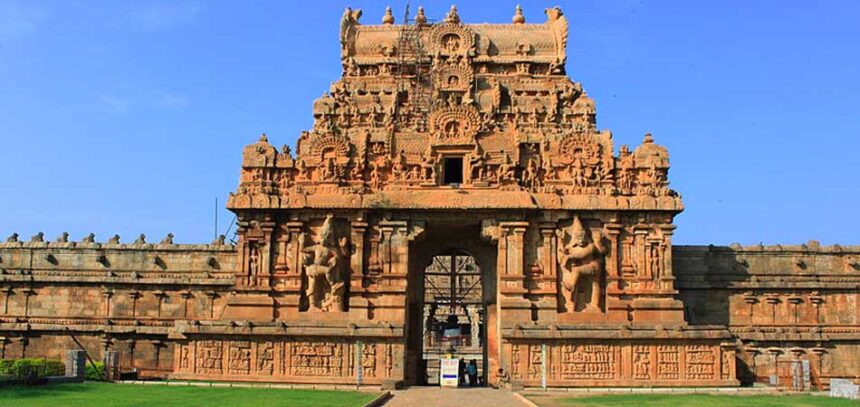
They controlled the major sea routes, showcasing their unmatched power. Historians say that the Cholas turned the Bay of Bengal into a Chola lake, which reflects their dominance over the global maritime trade. They were politically and economically powerful as they exported pearls, spices and stones while importing gold and luxury items. This also gives them the opportunity to introduce their cultural and religious values to the world. Hinduism and Buddhism were spread across countries like the Maldives, Indonesia, etc. Their architecture and infrastructure still reflect the Indian taste of art. So, the Cholas were not only militarily or economically superior, but they also managed to establish their cultural hegemony on the continent.
Trading through land was the earlier way, but the Cholas changed the traditional way, making passage through water and controlling global trade. As there is a maritime geopolitical maxim that “the one who controls the sea rules the world.” In the recent US-Iran conflict, the blockade of the Hormuz Strait by Iran is negatively affecting the global economy, and fuel prices are at their peak in the international market. Hormuz is a small checkpoint that connects the Persian Gulf with the Gulf of Oman, but its blockade has stopped the oil supply for most of the world. Now imagine what power the Cholas held just because of their maritime supremacy.
Very informative and experienced authorized opinion