





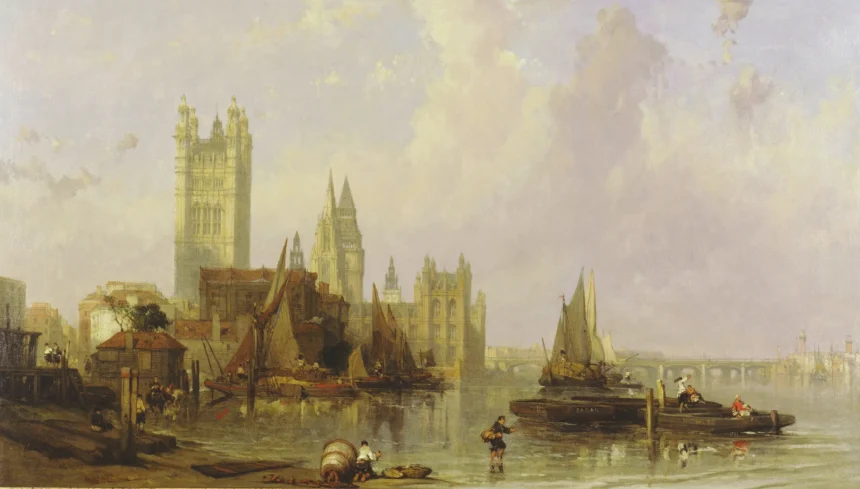
Summer 1858, London. An especially smelly season for the residents of the city. The hideous smell of the hodgepodge of human excrement, dead animals and humans, and waste material from homes and industries finally became so unbearable for the city’s wealthy politicians that it led to a revolution in modern civil engineering and sewage management.
During the reign of Queen Victoria, London had exceeded a population of 2.5 million, making it the largest city in the world at that time. More people meant more waste, and naturally, the city and its people were not prepared. In the 1850s wastes of all sorts ended up in the River Thames. This slop consisted of human faeces; dead organic matter; waste food from homes and stores; as well as the dead bodies of anyone who drowned in the river. The stink of the river was unbearable. If you lived in London during that era, experiencing a whiff of the river was inevitable and routine. During the fateful summer of 1858, the temperature of the city rose to over 30 degrees, and the river sank lower than usual, leaving behind traces of gunk on the riverbeds. As a result, the smell was even worse than usual. One word: nauseating. Something even worse than the foul smell of the river was the spread of diseases. Cholera, scarlet fever, measles, tuberculosis and many more. In 1857, thousands of people lost their lives due to water-borne diseases. Just walking past the river would cause people to vomit and feel sick.
One day during the summer, the stink from the river Thames finally rose high enough to seep into the Houses of Parliament. The smell, apparently, was so excruciatingly painful for Britain’s politicians that they finally decided to do something about the “evil odour.” As a result, the government rushed through with a bill which became law in 18 days: to fund a new sewer. The responsibility fell upon the shoulders of Joseph Bazalgette, who decided to create a sprawling web of underground sewers, joining up the existing drains. The project, though not yet complete, was opened in 1865.
As human beings, we have this inherent quality that whatever we find “disgusting,” we strive to remove it, fix it or clean it. As a matter of fact, all throughout history, disgust has been a primary factor in urban development and management. The “miasma” theory, extensive investments in infrastructure and the struggle to separate human activity from human waste. The biggest proof of this idea is the Great Stink of 1858 in itself. Overall, disgust and the urge to get rid of it have saved us from greater costs.