





Ownership: what does it mean? In literal terms, it is a legal right to possess and control something. In that context, whatever we buy is considered ours because we are legally entitled to possess it and can therefore exercise control over it.
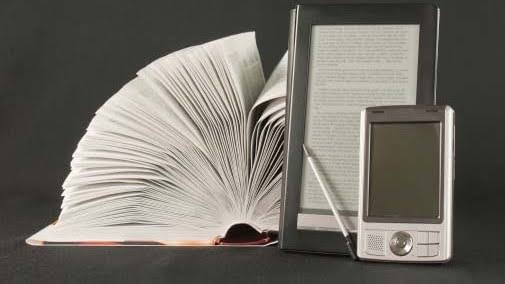
The digital world we live in today has transformed the nature of our possessions. Books have been replaced by e-readers, music that was once burned on CDs is now streamed through online platforms such as Spotify, and software that previously came on disks is now widely stored and delivered through cloud-based platforms. This new culture of access has made their physical predecessors obsolete.
When we owned things in their physical form, we had complete control over how and when we used them. This created a sense of permanence because, once bought, they remained indefinitely ours. Today, however, most of the products and services we use primarily exist in their digital form. To access them and ensure their continuation, we need to make monthly or annual payments to maintain our subscriptions. Whereas previously, we just needed to buy them through a one-time payment. This means that tangible possession has been replaced by intangible access to claim ownership.
What has this transformation brought with it? Quite a lot, actually. It has brought convenience, giving us access from the comfort of our homes. It has brought flexibility — we can use them from wherever we want and whenever we want. It has also brought affordability; for the cost of a single product, we can now access vast digital libraries of music, books, films, and software. Moreover, it has brought a wide range of options to our fingertips.
Perhaps then, the meaning of ownership hasn’t changed entirely. Instead, it has been redefined. We still own products; it’s just that the products have changed form, from physical to digital, and our right to physical possession has shifted to our right of access. Yet this ownership comes with conditions applied. Continuous access depends on recurring payments to keep the subscription active. Service providers also have different policies. If these conditions are not met, our rights will be revoked.
This marks a significant shift: from historically owning something implying certainty, today it feels rather temporary and conditional. This raises an important question: Do we truly own something if someone else can decide whether we can continue to use it?
This is one of the defining questions of the twenty-first century, as our lives increasingly become part of automation. It forms part of the broader debate surrounding technology and digitalisation. ‘Has this shift made our lives better or worse?’
Perhaps this is not the most practical way of viewing it. While digital ownership may come with certain limitations, it also provides benefits that previous generations could only just imagine. If we can access something whenever we need it, maybe possession isn’t the only measure of ownership. Why, then, does ownership still matter?
As a matter of possibility, ownership is more than the legal rights and practical access. It carries an emotional angle as well. The ability to call something our own creates a sense of belonging, attachment, and satisfaction. More often than not, the value doesn’t reside in its practical use but in the memories, experiences and personal stories connected with it. A book filled with annotations, records of music collected over years, and passed down through generations may hold greater significance than its practical use.
In the end, ownership is merely a matter of perspective. As the world is ever evolving, so will the meanings we associate with the things around us. There may come a time when future generations have no experience of owning physical versions of products. Then, needless to say, their understanding of ownership will differ from ours’, just as ours’ differs from earlier generations. The concept of ownership, then, is adapting to the world we live in.