





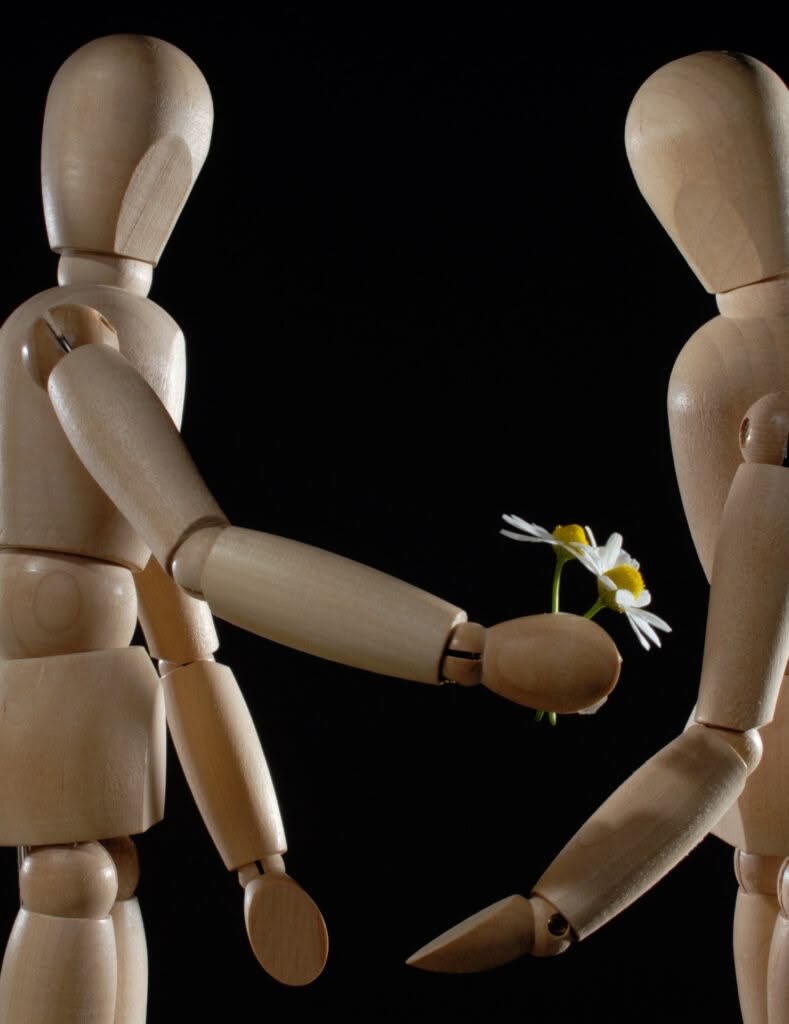
In Pakistani families, forgiveness is often demanded without an apology. But what does maafi mean when sorry never comes?
I grew up hearing one line again and again: “Maaf kar do. Bara hai. Chota hai. Ghar ka mahol kharab mat karo.” In our homes, forgiveness is often something we are told to give, even when the other person never apologises.
For a long time, I thought forgiveness meant being good, staying close to God, and keeping the family together. But I eventually wondered: if someone never admits they hurt you, what does it really mean to forgive them?
Philosopher Jeffrie Murphy explores the relationship between forgiveness, resentment, and moral responsibility. His work raises an important question: can forgiveness be meaningful when the person who caused the hurt refuses to acknowledge it? Jacques Derrida approaches forgiveness differently, exploring whether it can extend even to those who do not ask for it or appear to deserve it. These perspectives reveal a difficult tension between accountability and unconditional forgiveness.
In Pakistan, we often live somewhere between these ideas.
Yumna, 22, from Rawalpindi, described her experience with a cousin. “She hurt me deeply. She never said sorry. My mother said, ‘Maaf kar do, she is family.’” Yumna eventually started talking to her cousin again. “But I don’t know if I actually forgave her. I think I just became quiet because everyone wanted peace. Inside, I was still hurt.”
Shahmeer, 24, from Karachi, shared a story about his friend Moiz. “Once Moiz Bhai was angry about something else, but while we were talking, he said a lot of hurtful things to me. I felt really bad. We didn’t talk for a few days. He also didn’t reach out. Then our friend Shaheer said, ‘Choro yaar, hota rehta hai, tum hi baat kar lo.’ So I let it go and started talking again, even though he never said sorry.”
In this case, forgiveness was not about saying “it’s okay” — it was about deciding that the relationship was more important than staying angry, even without an apology.
Ali, 20, from Rawalpindi, described how his older brother repeatedly taunted him about his career. “Whenever I tried to speak up, my parents would say, ‘Woh tumhara bhai hai, dil saaf rakho.’ So I said I forgave him. But honestly, I just learned to avoid him. Is that forgiveness?”
Sometimes, maafi is less about healing and more about managing family relationships. We maintain family gatherings, Eid dawats, and everyone’s respectability, while the original hurt remains unresolved.
Psychology distinguishes between decisional forgiveness — choosing to forgive — and emotional forgiveness, a deeper change in feelings towards the person who caused the hurt. In families where forgiveness is expected immediately, people may agree to move on long before they feel ready.
Girls, especially, are often expected to forgive more readily. Sabr and maafi are taught as virtues, but when the responsibility for maintaining peace always falls on the same person, forgiveness can become a form of unequal power rather than a free choice.
So, is forgiving someone who is not sorry useless?
Not necessarily. Desmond Tutu, writing about forgiveness and reconciliation in South Africa, emphasised that forgiveness does not mean pretending nothing happened. It can help people move towards healing without denying the truth or removing the need for accountability.
In Islam, afw, or forgiveness, is also valued. Surah An-Nur (24:22) encourages believers to pardon and overlook others’ faults. However, choosing forgiveness sincerely is different from being pressured into silence to keep everyone comfortable.
For me, maafi ka matlab apne dil ko sukoon dena aur nafrat ko chhod dena hota hai. Main logon ko maaf kar deti hoon chahe woh maafi na mangein, lekin shayad main unse pehle jaisa talluq na rakh paun. Maafi apni marzi se honi chahiye, kisi ke dabao mein aakar nahi.
For me, forgiving someone who is not sorry means accepting that an apology may never come and deciding not to let its absence control my life. It does not mean forgetting or restoring trust; it means choosing how to move forward.
In a culture where family harmony sometimes matters more than individual healing, perhaps genuine maafi begins when we stop confusing silence with peace.