





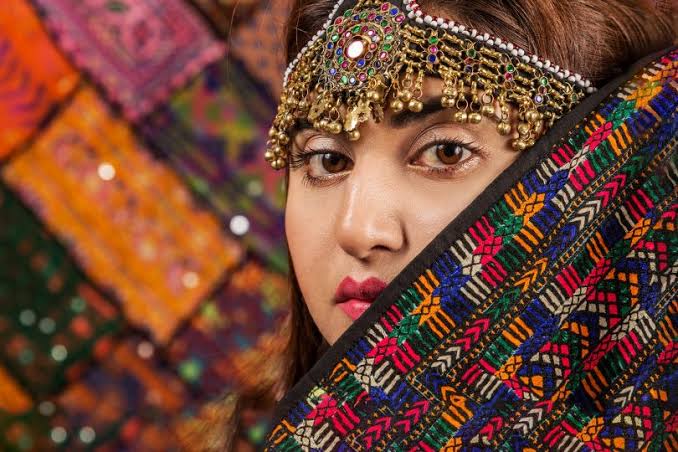
Fashion has always been influenced by history, art, and storytelling. Over the years, its meaning has evolved to encompass more than just adornment. A shalwar kameez represents more than just comfort. A kente cloth is more than just a woven textile. A folk-embroidered blouse is not just something you wear on Sundays. Fashion has evolved from something you simply wear to something that represents you, making a powerful declaration about your identity, your roots and your values. It also shows that traditions can remain alive even if they are centuries old.
Because wearing clothes is no longer just about styling. It has become a statement of identity, culture, heritage, and history. From the local streets of Karachi, where the shalwar kameez has been modernised and adopted into our wardrobes, to the runways of Milan, where designers showcase their art and incorporate their country’s history into the details of their designs, fashion has reimagined its meaning. It has progressed from merely looking good to making a statement.
Cultural uniformity, a consequence of globalisation, has become the norm. The same high-street brands, silhouettes and fast-fashion cycles can be seen everywhere, from London to Lahore. This has led to people choosing global fashion trends over supporting indigenous fashion traditions. However, a shift is gradually emerging, moving away from wearing a uniform and towards wearing something meaningful. People are reluctant to follow robotic trends that serve no purpose, particularly in fashion. A designer piece that poetically expresses history, art or a personal story is admired and attracts more attention than a design that simply copies a trend and has no sentimental value. Traditional attire is notably preferred not only because it represents a culture or heritage, but also because people wear it intentionally to express pride in their history and values, thereby making a social and sometimes political statement.
Case Studies: Nations Wearing Their Identity
Pakistan
Pakistan has always been home to a rich cultural heritage, whether it’s music, food or fashion. From the handcrafted ajrak of Sindh to the beautifully intricate Balochi frocks and the timeless shalwar kameez, these traditional Pakistani garments not only clothe the body, they also wrap the wearer in history. They cherish and portray identity. Khaadi, a Pakistani clothing line renowned for its block printing and hand embroidery, now has over 50 stores worldwide and has seen a 24% increase in international sales in 2024. The stakes are even more significant and evoke a sense of personal attachment for the diaspora. Wearing traditional attire to celebrate events such as Pakistan Day or Independence Day reflects a connection with the homeland. For many, it has become a form of revival against cultural obliteration.
Ghana
Ghana’s traditional woven kente has its own distinct identity. At the 2025 presidential inauguration, Ghanaian designers surpassed themselves by transforming the event from a political occasion into a powerful statement of identity through intricate woven kente, hand-stitched fugus and agbadas — traditional Ghanaian clothing that is unfamiliar to many, yet which reminded the world of the country’s rich cultural history and values. In 2024, UNESCO officially added traditional kente weaving to its Intangible Cultural Heritage List, and in September 2025, it was granted geographical indication status. The cloth is not just a fabric, but a protected national asset.
Hungary
Fashion labels in the country have incorporated traditional folk motifs into everyday clothing, creating a strong visual representation of their identity and shared culture. What started as a cultural inclination has evolved into a political one, demonstrating that a nation’s mood can be reflected in its clothing.
Japan
At Paris Fashion Week, traditional Japanese garments such as yukata robes, ifuketa footwear and sashiko embroidery were seen in Issey Miyake’s Autumn/Winter 2024 Collection. This demonstrates that heritage can evolve into ready-to-wear clothing that is accessible to all when the intention is to showcase such heritage. Rather than making screaming headlines, Japan’s cultural heritage is embedded in quiet stitches for the world to lean in and look at.
The Designer’s Dilemma
Reimagining a tradition is never easy. Designers must tread carefully between acting as custodians and creating contemporary designs. If they are too exact, the heritage becomes a museum display, but if they are too loose, the designs become just indigenous clothing.
Reviving traditional tools and techniques to preserve cultural heritage plays a significant role in appealing to audiences and creating representation. However, the debate continues over whether globalisation weakens the authenticity of tradition, and whether tradition is only used to generate profit, with the risk of both cultural exploitation and stagnation. The most interesting work is happening in the space between these two risks.
This work is increasingly attracting attention beyond the fashion world. Research suggests that dress diplomacy consists of three models: Assertive, where the use of sponsors is persistent. Secondly, there is a reactive model related to post-colonial representation. Thirdly, there is a selective model, which implies context and strategy. Asian nations have been particularly successful in this area, as demonstrated by Indian kurta diplomacy and Indonesian batik diplomacy. The Pakistani brand Elaan successfully sells its bridal couture in over 30 countries, representing Pakistan’s cultural identity. Fashion weeks around the world, such as those in Milan, Paris, and London, provide countries with an opportunity to showcase their cultural heritage through designers’ creativity and vision.
The concept of Fashion Nationalism encompasses nostalgia and politics, as well as everything in between. It has somehow become a means of communication that surpasses geographical, linguistic, and political barriers. It is a platform that celebrates cultural and heritage diversity, tells stories, revives history, and facilitates the exchange of beliefs. It has somehow become a reflection of a person’s choices: a young woman in old Lahore choosing to give someone a hand-printed ajrak; a Ghanaian president inaugurating a cloth bearing a name that indicates the coming of good days; or Pakistani brands selling zardozi-embroidered bridal wear globally. Garments are a simple yet efficient way of creating connections and opening doors, not just covering the body.