





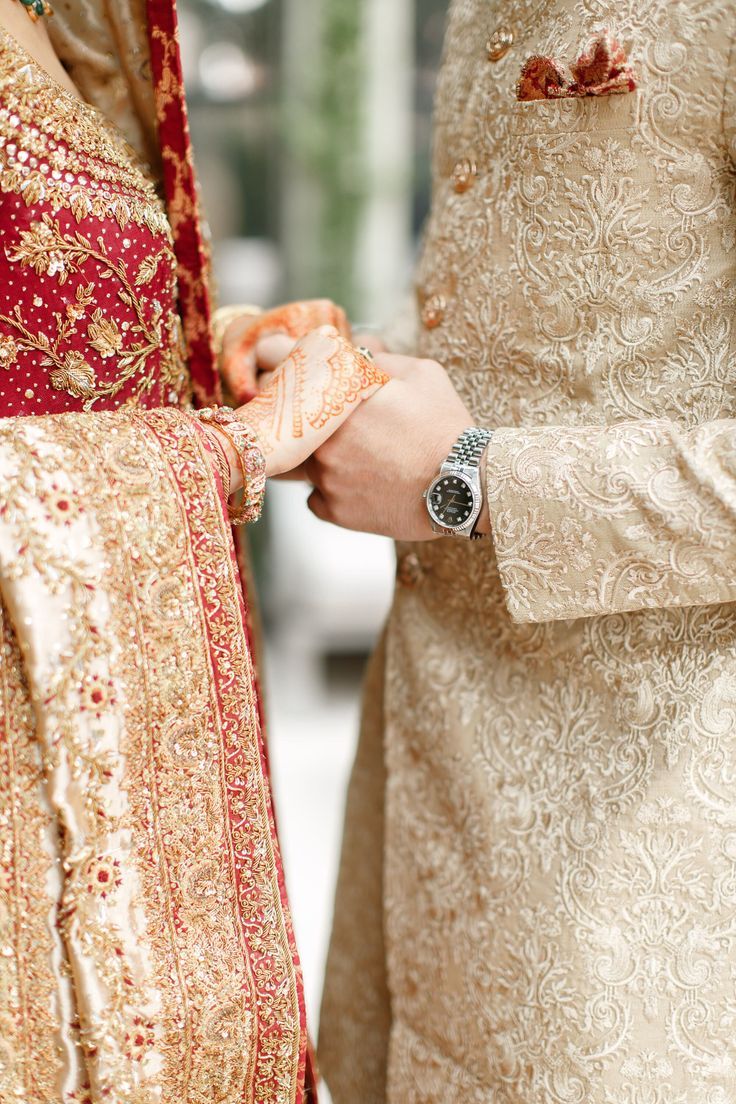
Marriage — the stability and cornerstone of Pakistani society — is treated as a necessity in our society and is celebrated as a milestone of adult life. It is defined as an integral step in the pathway for young adults to gain independence and establish their future. However, this ‘step’ is slowly losing its importance with the passage of time and being squeezed into the background. According to an analysis of the 2023 population census, around 2 million Pakistani aged 35 and above have never married. This declining marriage rate may be linked to the growing economic pressures and changing societal expectations.
Marriage in Pakistan is not just a union between two people; it is a declaration of one’s class, power and status. Everything from the wedding venue, food, decor, and clothes is all dictated by societal standards and designed to deliver a statement. These weddings are expected to be huge gatherings with the headcounts ranging from 200 to 1000 people. Thus, in the midst of all this chaos, the real union between two people suffers in the hand of rising inflation. Prices rise, but social standards hold their ground, and the pressure to meet these standards is so high that people opt to not get married instead of hosting a small celebration. In these economically tough times, the price of organising a modest wedding is also financially unattainable for many working-class and middle-class families in Pakistan.
With increasing inflation, housing costs have also skyrocketed. According to reports, Pakistan’s housing market has seen double-digit annual price growth, and this is another economic factor that has taken a negative toll on marriage rates. Owning or even renting an accommodation gives one a sense of security and independence, and so saving up for a home is seen as an important step before adapting to a new life change. This is especially true for men in Pakistan, as families prefer marrying their daughters to men with housing stability. Thus, this squeezes marriage out of focus and prompts an important question: “Is marriage gradually losing the central role it once held in Pakistani society?”
Uncertain employment is another feature of an economically downturned society. This too has victimised marriage. In Pakistan, men are attached to the labels of breadwinner and provider, and so for them to be able to provide, they must be financially stable. However, with the crisis of jobs in our society, this stability is now delayed. Without it, men lack status and respect and so are deprived of marriage prospects. In addition to this, the job instability also affects women. Rising cases of domestic violence prompt women to first attain independence and stability and then get married. Hence, marriage is no longer a first priority, and so its numbers decline.
Beyond financial constraints, evolving social norms and values have increasingly influenced decisions around marriage. Society has moved from the traditional gender roles and stereotypes, leading to a redefinition of expectations within a marriage. Women are no longer expected to be solely restricted to the expressive roles in a household, and so more time and money are invested in their education and careers. This new wave of educated women hold strong opinions against marriage, having children and dedicating their lives to men like the previous generation did. These women prefer to be married when households are symmetrical and equal, but in Pakistan this is still not the case. Even though a ‘new woman’ has emerged, men are still only expected of the instrumental roles, and so getting married has become increasingly difficult to sustain.
Moreover, the decreasing importance of children is another social change that has undermined marriage. In our societies, getting married means having children and starting a family. It is perhaps the most important reason for a union. However, children don’t hold the same significance anymore. Society expects children to take care of their parents in their old age, but this obligation is now seeping into obscurity with changing perceptions that having children for this sole reason is selfish. Apart from that, raising children has also become incredibly unaffordable. Consequently, the decline of a child-centred society has reshaped the perceived purpose of marriage.
To conclude, in the face of new and rapidly changing social and economic realities, marriage too is adapting to new realities. With changing social expectations, there is also a rise in secularisation which has made singlehood acceptable. Despite the growing acceptance of singlehood, the fundamental human need for emotional connection, intimacy and companionship remains unchanged, and while marriage may no longer hold its position as a central institution, newer forms of relationships, such as cohabitation and boyfriend-girlfriend culture, have emerged to reflect and adapt to these evolving realities.
Well-written and completely based!!
Excellent perspective on the changing institution of marriage in Pakistan!
Mashallah very well written