





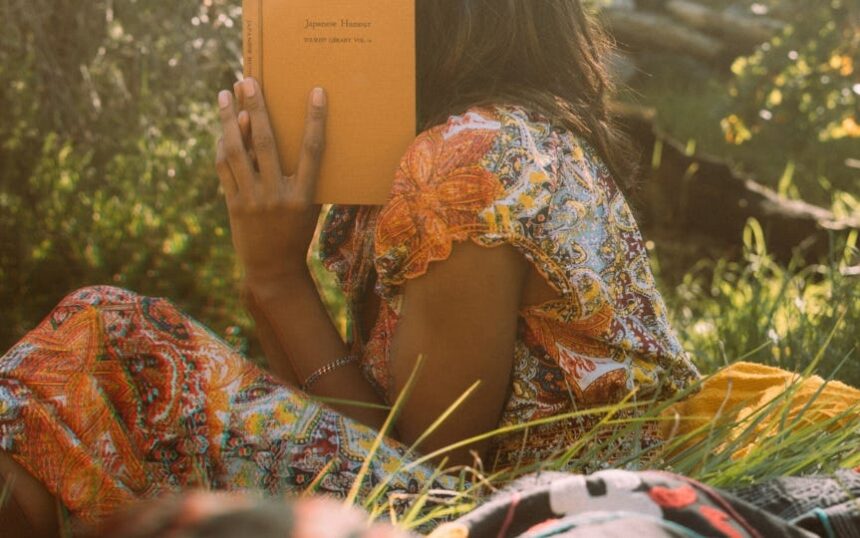
Since the 1800s, feminism has fought to provide opportunities for women outside their domestic circle. Throughout these decades, women have fought for the right to vote, receive an education, find employment, participate equally in politics, and achieve independence. However, in recent years a trend has been circulating on several social media platforms, including TikTok and Instagram, known as ‘soft power femininity’. By definition, soft power femininity means embracing qualities traditionally associated with femininity, like kindness, empathy, elegance and grace. In theory, there is absolutely nothing wrong with it, in fact, women have used this soft femininity to advocate for societal change, build communities and even raise awareness about social issues. There is no doubt that a woman can be ambitious, independent and successful while also embracing softness and femininity.
However, it should be considered that the version of soft power femininity portrayed online has gone beyond celebrating feminine traits. Instead, it has overlapped with content romanticising traditional gender roles and domestic labour. Women post videos of preparing full-course dinners, taking care of multiple children, dressing modestly, and embracing what they call their ‘feminine energy’. While this movement can be empowering to some it is also rebranding traditional gender expectations. In a country like Pakistan, where gender expectations already shape everyday life for women and girls, it is important to question whether this soft power femininity is promoting genuine choices or is just reinforcing outdated stereotypes with sugar-coated words.
The popularity of this soft power femininity comes mainly from social media platforms where influencers like Nara Smith have gained millions of followers through videos that showcase making everything from scratch, elaborate home-cooked meals and aesthetically pleasing domestic routines. Similar content is becoming increasingly popular in Pakistan, where influencers like Aroob Jatoi often present homemaking as a source of empowerment, portraying domestic responsibilities as glamorous and fulfilling, emphasising the beauty of traditional femininity. These videos also get thousands of likes and these influencers are followed by millions of people who praise them for promoting modesty, family values and traditional culture.
Many people believe that through these videos women get to define success on their own terms. A famous Pakistani actress, Sarah Khan spoke up on this matter when she posted an Instagram story claiming to be “an OG feminist” instead of a “modern feminist”. She emphasised on the importance of embracing your softness and femininity instead of competing with men. As she states, “Women were never meant to labour like machines. We are made to nurture homes, raise empires, build generations, and lead with grace. Many people viewed her approach as an alternative to the idea that women always have to compete with men and get everything they have right now to be empowered.
However, it is time we acknowledge that the problem is not softness, it is the inequality that comes along when social media presents traditional gender roles as empowering. Feminism was never about rejecting “divine femininity” but it was about giving women choices, letting them make their own decisions and choose how they want to live their own lives. Women had to fight for access to education, employment and political participation because historically these rights were denied to them. When actors or influencers start to portray domestic responsibility as a source of fulfilment or start to romanticise it, they risk overlooking the fact that for centuries women had to perform these same duties not because they wanted to but because these roles were forced upon them, because they were never given a choice.
This issue is particularly significant in Pakistan where although women have made some progress in education and professional fields, traditional expectations continue to influence their opportunities. A married woman is still expected to cook proper meals for her husband before going to work; after kids, she is expected to either leave her job or at least never leave her children in the care of house helps or nannies.
According to World Bank data, female labor force participation in Pakistan remains around 24% while male participation exceeds 80.1% (3). These statistics show that women continue to face barriers entering the workforce in Pakistan. Most women are expected to prioritise marriage, caregiving and household responsibilities regardless of their personal ambitions and wants in life. This way of celebrating domestic roles without acknowledging these challenges, reinforces the belief that a woman’s primary purpose belongs within the home.
An irony within the soft power femininity movement is that many of its influential advocates benefit from the opportunities made possible by the aggressive, ambitious feminist movement. Public figures who encourage women to prioritise domestic roles, like Sarah Khan and Kate Baker, themselves have careers, financial independence, public platforms, and, most importantly, the freedom to express their own opinions publicly about how they disagree with the movement that gave them these rights.
Actresses, influencers and content creators earn income through films, reels and social media partnerships while simultaneously promoting traditional lifestyles. Their ability to work, speak and earn came from rights and opportunities that previous generations of women had to fight for. This does not make their opinions invalid, but it does raise an important question: if economic independence and public influence have benefited these women, is it fair for them to present domesticity as an ideal path for others while they continue to enjoy freedoms that many women still struggle to access? This contradiction suggests that the issue is not femininity itself but whether all women are given the same freedom to choose the lives that they want.
To conclude, soft femininity is not inherently harmful, as there is nothing wrong with wanting to embrace traditional feminine traits. However, the version of soft power femininity promoted online goes far beyond celebrating femininity and begins to glorify traditional gender roles without acknowledging the social realities that many women face. The rise of soft power femininity may seem empowering on the surface, but when it romanticises limitations that previous generations fought to overcome, it risks becoming less about freedom of choice and more about repackaging old expectations in modern aesthetically pleasing forms.