





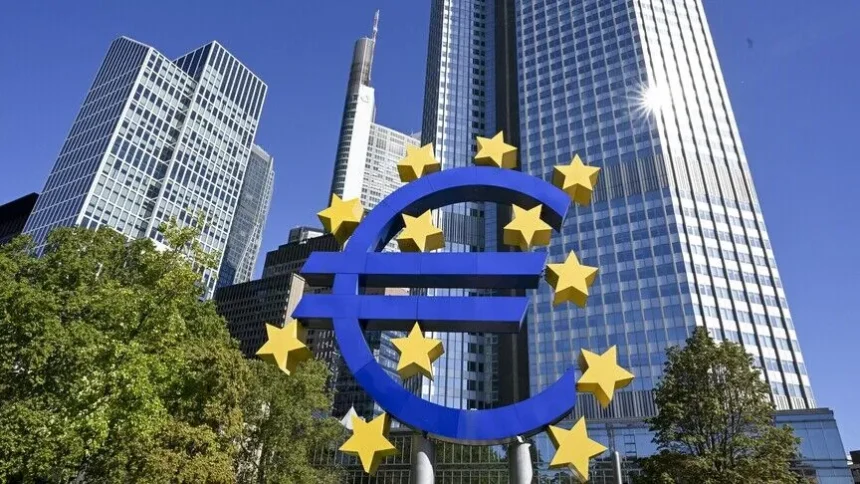
The European Central Bank (ECB) has unveiled 10 proposed designs for a new series of euro banknotes, inviting the public to vote on their preferred options as part of a redesign aimed at improving security, sustainability and inclusivity.
The public consultation will remain open until September 21, with the winning design expected to be announced by the end of the year.
The euro, introduced in 2002, is the official currency of 21 European Union member states and is used by more than 357 million people. It is also the world’s second-largest reserve currency, accounting for around 20% of global foreign exchange reserves, behind the US dollar.
The ECB said the redesign follows the introduction of the Europa series between 2013 and 2019, which incorporated enhanced anti-counterfeiting features.
The Eurosystem, comprising the ECB and the national central banks of eurozone countries, is responsible for issuing euro banknotes, maintaining price stability, supervising banks and ensuring the security of payment systems.
Euro banknotes are currently issued in €5, €10, €20, €50, €100 and €200 denominations, while euro coins range from 1 cent to €2.
The €500 banknote has not been printed since 2019 because of concerns over its potential use in money laundering and terrorist financing. However, it remains legal tender and can still be used for payments or exchanged at national central banks.