





Australia has confirmed its first mass wildlife mortality event linked to the H5 avian influenza virus, after dozens of greater crested terns were found dead or sick on Baudin Rocks, off the coast of South Australia.
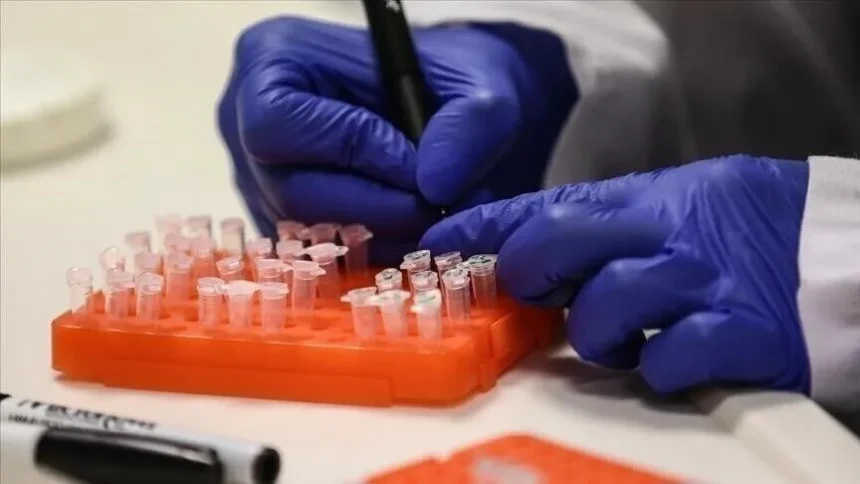
The birds were discovered during an aerial survey on Friday, with laboratory testing later confirming the presence of the H5 strain of bird flu.
Australia remained the only continent free of the virus until June 14, when infections were first detected in migratory subantarctic seabirds. Since then, the country has recorded 74 confirmed cases, including 54 in South Australia, 10 in Western Australia, seven in Victoria, two in New South Wales, and one in Queensland.
Federal Agriculture Minister Julie Collins said the first mass die-off had been anticipated as the virus spread through wild bird populations.
She stressed that there is no evidence the virus has entered Australia’s poultry industry, adding that the risk to human health remains low.
Collins said authorities had strengthened biosecurity measures to protect the agricultural sector but warned that further wildlife outbreaks were likely because wild birds cannot be prevented from migrating.
Federal Environment Minister Murray Watt said Australia was likely at the beginning of a “long, difficult journey” as the virus continues to affect native wildlife.
He confirmed that the national H5 bird flu response plan had been activated, backed by an additional A$24 million in funding from federal and state governments.