





John Keats once wrote, “Beauty lies in the eyes of the beholder.” And for beauty to be noticed, one has to first pay attention. Anything can be considered beautiful to someone when they invest their time and energy in admiring its creation, its concept, and even its flaws. Once you start to fly through life and don’t stop to notice anything, everything seems to lose its colour and meaning.
But a question arises as to whether paying attention, or, if I dare say, the “art” of paying attention, is a moral duty that has to be maintained by everyone, or if it is just a skill a few people possess. Because truly, we have lost our ability to pay attention to small things that can actually bring us joy: a fluffy cloud, children playing in the streets, people walking by a busy bridge becoming one with the background, or even someone expressing what they love and hate. These are the things that essentially give meaning to our otherwise busy and fast lives. In a way, we owe it to the world that has given us so many wonders to spare five seconds of our time to just look and admire.
Attention: A skill or responsibility?
In my opinion, paying attention should be considered a moral duty because more people would be inclined to abide by it and remain in the good books of the divine. It would make people purposefully be more attentive to small details. Through this duty, we would also be able to know more about ourselves by shifting the attentive lens towards ourselves to see what we like and what makes us angry. This would also increase our chances towards what Maslow would call “self-actualisation”. But looking at this attention dilemma from the other perspective, paying attention can also be attributed to a personal skill only a few people acquire over time. Now this gives a whole variety of people and their levels of noticing. Some would only bat an eye if thieves barged in through their front door, while others might also notice the silent flapping of a butterfly’s wings. And this personal skill would distinguish between people, too. You would easily know who is going to remember your favourite colour and who does not care enough for such a thing. This personal skill would shape human beings and how they view the world: either through a myriad of colours or through shades of grey.
Working our way backwards
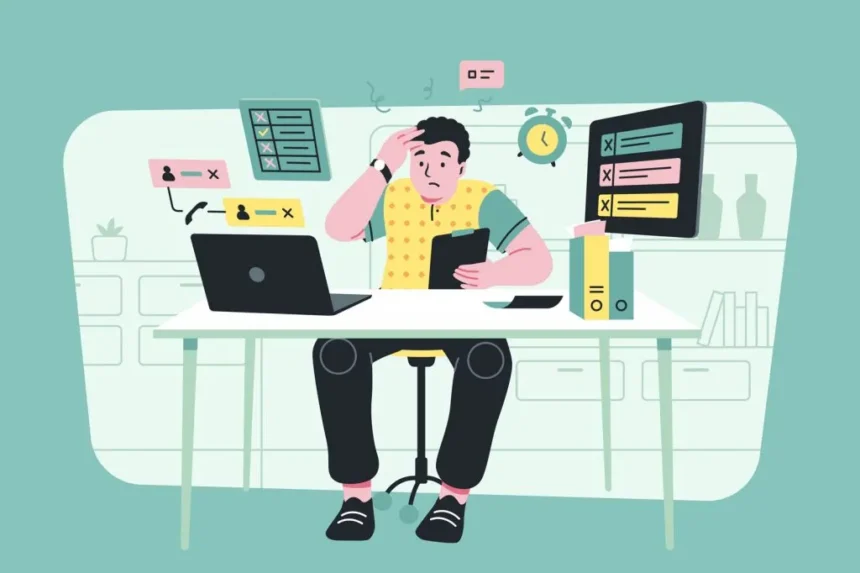
And in this developing day and age, where everything is so fast-paced thanks to the advent of technology and the digitalisation of everything, we have further reduced our ability to pay attention to even the necessary things. You wouldn’t smell your food burning that you put on the stove when you’re scrolling through Instagram, and you certainly wouldn’t hear your mom calling your name for the tenth time. These digital distractions have made us slaves to screens and have evidently reduced our attention spans. And so, we cannot pay attention to the flowers that are blooming in our gardens because we are so focused on the flowered wallpapers on our screens. Had this been a moral responsibility, we might have specified a time for going outside and paying attention to random things, noises, strangers, acts — anything.
Frame for our lives
Those things that we consistently pay attention to wire how we think. In a way, we are still paying attention, just to different things. The time spent talking to our family, going outside to parks, and having lunch with friends has all been substituted with our phones. And we have started to ignore pivotal things that helped us become who we are. Because of this shift, we are becoming mere puppets, not human beings who once had the ability to think and feel deeply because of even the slightest change in our surroundings, our family’s temperament, or just the weather.
And so, this is a problem that SHOULD be addressed like a moral dilemma. It is deeper than it seems. It shapes how we think, behave, and interact with others, the environment, and the whole world. Paying attention is an art that is losing its value over time and is making us no different than ants who only desire food and don’t stop to look at the path they have crossed.