





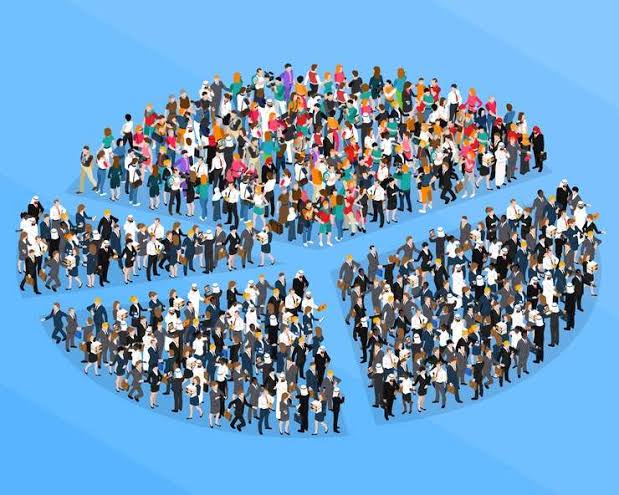
A Silent Force in Politics
Pakistan’s population has surpassed 240 million, making it the fifth most populous country in the world. Pakistan’s massive population growth is transforming how political power and representation are defined, but little of this extraordinary demographic shift has been debated politically.
Power Defined by Numbers
In a democratic system, the size of a given population directly relates to defining political representation through the number of seats won by an individual group; thus, a larger population means a greater number of elected officials, and ultimately a larger amount of political power will be wielded by that group over policy processes and governing. The delimitation and identification of electoral districts (or constituencies) in Pakistan’s National Assembly is done ultimately based upon a specific census; when a census is outdated, inaccurate, or disputed, this creates problems within the electoral system.
There have been numerous problems surrounding census creation in Pakistan, including the delay of more than 18 years for the last census completed in 2017 and ongoing issues regarding the 2023 digital census, including multiple provinces such as Balochistan and Khyber Pakhtunkhwa disagreeing collectively with each province’s determination of the overall arithmetical population base in their respective constituencies. In this way, when determining population multiples that contain political influence is done incorrectly, many aspects of political power will also be impacted by that inaccuracy.
Urbanisation Will Change the Political Landscape
As more and more of the population of Pakistan moves into urban areas (such as Karachi, Lahore, Faisalabad and many other cities), urban populations are increasingly underrepresented in terms of political influence over rural areas; therefore, an individual vote in a small village will have more influence than an individual vote in an urban city. The overall political imbalance caused by large-scale urban migration is having a major impact on the overall strength and future viability of the political process in Pakistan. Finally, with an increasing number of voters in Pakistan being urban youth, the growing disconnection between their electoral power and social expectations will ultimately decrease the ability of young people living in urban areas in Pakistan to make a positive contribution to the democratic process in Pakistan.
Asset or Crisis? The Youth Bulge
Pakistan’s population is one of the youngest in the world; 64% of Pakistanis are under 30 years of age. A demographic dividend is often referred to as “demographics.” Still, the demographic dividend will only occur if adequate jobs, education, and services are available to support this young population. The youth bulge creates political pressures as young people are looking for different things and are more connected, vocal, and less tied to traditional political parties. Parties that ignore this trend will be placing themselves at risk.
The 2024 General Election demonstrated that many of the independent candidates supported by the younger urban population exceeded expectations. Demographics made a significant impact on these elections.
Resource Allocation and The Population Trap
The National Finance Commission Award distributes federal resources among the provinces of Pakistan. When determining how much money each province receives from the federal government, total population is a significant factor in allocating federal resources.
An uncomfortable dynamic exists between provincial populations. More rapidly growing provincial populations can claim more federal resources; however, those jurisdictions typically have less developed institutions and lower human development indicators than other provinces. The population formula is designed to reward growth; however, that formula does not necessarily reward good governance.
Balochistan has long argued that having a spread-out population results in being penalised in the resource distribution formula. Punjab, with its much more considerable share of the total population, dominates resource distribution. These tensions continue to exist and are becoming more strained.
Future Vision
Demographics is more than just numbers; it influences Pakistan’s future political power. The trends toward urbanisation, the growing number of youth, and changes in population distribution across regions all affect how voting will take place in this country.
The issue for Pakistan isn’t whether political power will shift from current demographic developments; that’s already happening. The question for political leaders now is if our established systems will be able to make the changes necessary to accommodate the new demographics.