





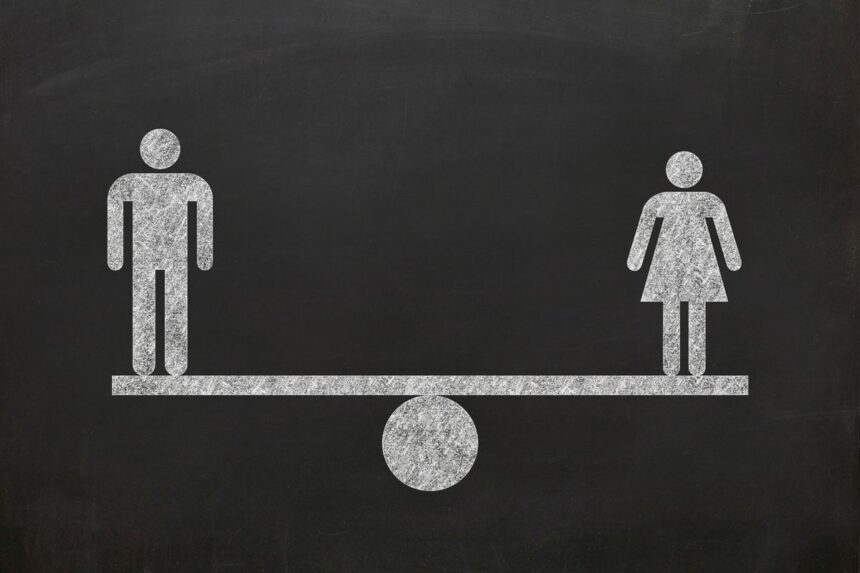
Most of the time, it starts out normally. The family dinner slowly drags on into the evening. The table is still covered with plates and teacups, and the conversation goes down familiar paths: work, school, rising grocery prices, and a cousin’s upcoming wedding. Then, almost by accident, a new word comes up. Someone brings up consent. Someone else talks about limits. Your older sibling might be talking about toxic masculinity or saying that a friend is non-binary.
And the room itself changes, though not much. The parent stops mid-sentence. A father raises an eyebrow. An aunt moves a little in her chair, as if the conversation had suddenly gone off track. Junior’s table remains in a state of curiosity and discomfort for a brief moment, as no one knows how to respond.
These quiet rituals are becoming more common in gatherings across Pakistani homes. Usually, they don’t involve dramatic fights. Instead, they are quiet conversations that gradually develop between people who care about each other but hold different morals. For many young Pakistanis who grew up in an era of global connectivity, discussions about gender, identity, and personal freedom feel like a natural extension, though a controversial one, of worldwide conversations. However, their parents grew up in a social environment where those topics were rarely, if ever, discussed openly. The result goes beyond simple ideological disagreement. Two different worlds meet in one place.
For the generation that grew up just before the internet broke down cultural barriers, gender roles were often considered part of a stable social structure. People knew what was expected of men and women in terms of normalised behaviour. These expectations weren’t always fair or just, but they were understood. They approached the situation confidently, believing things would stay the same. Families recognised their place within a moral hierarchy, shaped by tradition, community standards, and religious beliefs.
Suddenly, the global conversation started to unfold. The internet shortened distances and brought new ideas into homes that had never been exposed to such debates. When young people looked at their social media feeds, they saw discussions about identity, power, relationships, and equality that extended beyond national borders. Everyone began using words like “consent” and “toxic masculinity” overnight, shifting from school discussions to common usage. Ideas that once only appeared in university seminars now influence everything, from viral videos to group chats.
Many young Pakistanis don’t see these ideas as originating from other countries; instead, they view them as ways to navigate their lives. They talk about being emotionally open, respecting personal space, and questioning cultural beliefs that once seemed unchangeable. They usually don’t want to rebel; they want to understand things better. They aim to discuss the world they live in. You’re younger than I am.
But when these ideas enter the home, they clash with a generation that didn’t grow up with the same language. Parents who have lived in the world for decades with one set of moral lenses suddenly find themselves in a new lexicon that seems to shake up everything they thought they knew. There is less of a war of values than a struggle over meanings.
If a young person is one of the students in an organisation discussing consent, she might also be highlighting something as simple and human as the reminder that connections don’t exist without respect and understanding. A parent who hears the same word might feel like they’re having an uncomfortable, overly personal, or too-Western conversation when it doesn’t have to be. The unfamiliar words that come with dignity can make it seem foreign, even if the idea itself isn’t wrong.
In this way, the gap between generations is often less about moral disagreement and more about the sudden emergence of new words. Many parents aren’t opposed to fairness or kindness; they’re just reacting to how quickly difficult ideas have become part of our culture.
The tension surrounding these talks shows that values don’t just transfer from one generation to another. Instead, they are repeatedly discussed, sometimes awkwardly, through conversations across generations.
Young people who actively engage in these discussions often find themselves falling into the mind trap. Both of them are players in global cultural competitions and come from families with long histories. It is often unwise to choose one world over the other. Instead, they try something more complex: explaining.
A daughter explains how jokes about masculinity can sometimes reinforce harmful expectations. A son tells his father that being emotionally open doesn’t make a man weak, no matter what generation he’s from. In fact, it might even make him stronger. A brother softly suggests that identity isn’t just a set of neat categories but rather a spectrum of things.
These explanations don’t always work perfectly. Voices grow louder. Patience wears thin. Parents sometimes say, “Things were simpler in our time,” to comfort themselves. Sometimes, young people get frustrated and wonder why ideas that seem so obvious to them are so difficult for others to accept.
And yet, the fact that these talks are taking place means something important. Many young Pakistanis are trying to bring their families along instead of leaving them behind while seeking new identities. They are choosing to speak out rather than stay quiet.
This choice requires a level of bravery that isn’t obvious. It involves enduring awkward pauses, listening to viewpoints that may seem outdated, and resisting the tendency in some circles to dismiss an older generation as hopelessly conservative. It also, in its own way, asks parents to be patient by encouraging them to consider ideas that challenge long-held beliefs.
Could the generational gap, often depicted in dramatic headlines, actually be a gentler, more beneficial phenomenon?
What if those awkward conversations at the dinner table aren’t a clash with tradition but a slow shift of it?
Every generation experiences major social changes. Parents now find it harder to keep up with their kids’ discussions about gender, just as they did with previous generations. People used to argue about education, women’s roles, and cultural identity in ways that were just as disruptive. Ideas that once seemed too radical gradually became part of everyday life over time.
The current talk about gender might go the same way. The way we talk today can become common sense tomorrow. Or it could change into something else as people learn to adapt.
What matters more than the outcome is being involved in the process itself.
We are already witnessing small moments of connection across the country, in our living rooms and dining rooms. The atmosphere resembles that of a mother listening with interest rather than fear. A father begins to question long-held ideas about what it means to be a man. The younger sibling finds words that turn a complicated idea into something less intimidating.
Because they happen in silence and outside the public eye, it’s easy to overlook these times. But they demonstrate how slowly cultures change over time.
Therefore, the story of intergenerational conversation in Pakistan isn’t just about fighting. It’s also about patience, negotiation, and the opportunity to understand.
The fact that we keep having these talks is the most important part. In a world where ideological echo chambers are becoming more common, the dinner table remains one of the few places where people with very different points of view can connect over more than just agreement. And family, even with all its problems, provides a place where people can disagree without stopping communication. What if the true purpose of these talks isn’t about which side wins the argument about gender, identity, or social change? What if their real significance is that the conversation continues?
Something quietly life-changing is happening between confusion and curiosity, resistance and reflection. And two generations, raised in very different cultural settings, are learning how to talk to each other. And in that delicate back-and-forth of questions and answers, the possibility arises that the gap between them isn’t a gap at all, but a bridge that is still being built.