





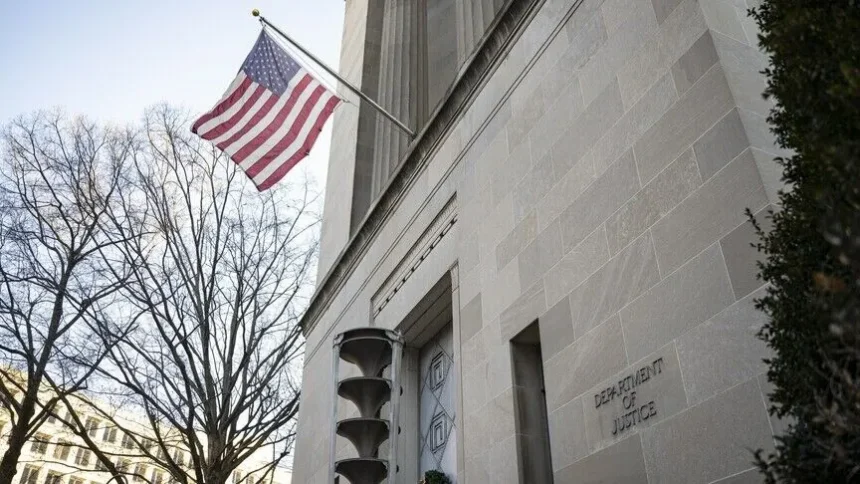
The US Department of Justice is seeking the deportation of a Texas-based Afghan woman accused of supporting the Daesh (ISIS) militant group, marking the first case to be heard by the Alien Terrorist Removal Court, a little-used tribunal established nearly three decades ago.
Nazira Haji Zada, 47, of Fort Worth, Texas, is scheduled to appear before the court in Washington, DC, on Thursday, where prosecutors will argue that she should be removed from the United States over alleged links to a failed 2024 Election Day mass shooting plot, according to CBS News.
“The allegations in this case show the matriarch of an ISIS (Daesh)-sympathising family aiding in a plot to launch a mass casualty attack on American voters on Election Day,” Acting Attorney General Todd Blanche said.
Zada has not been charged with terrorism and has no known criminal record. However, her son, Abdullah Haji Zada, and son-in-law, Nasir Ahmad Tawhedi, previously pleaded guilty to firearms and terrorism-related offences after purchasing rifles and ammunition from an undercover FBI agent.
Abdullah, who was arrested at the age of 17 and prosecuted as an adult, was sentenced to 15 years in prison and agreed to be deported after completing his sentence. Tawhedi pleaded guilty in 2025 to supporting Daesh.
According to an FBI case summary, Nazira Haji Zada allegedly supported the planned attack, pledged allegiance to Daesh, and helped indoctrinate her children with the group’s ideology based on information provided by what investigators described as a reliable source.
The FBI also alleged that she worked with Tawhedi to radicalise the family and conceal their extremist beliefs and plans to relocate to Daesh-controlled territory from her husband.
Established in 1996, the Alien Terrorist Removal Court allows US authorities to seek the deportation of non-citizens using classified evidence that is not disclosed publicly. Under the law, individuals facing removal cannot examine the classified evidence against them or challenge the manner in which it was obtained. Initial proceedings are held in private, with public hearings taking place only if a formal removal application is approved.