





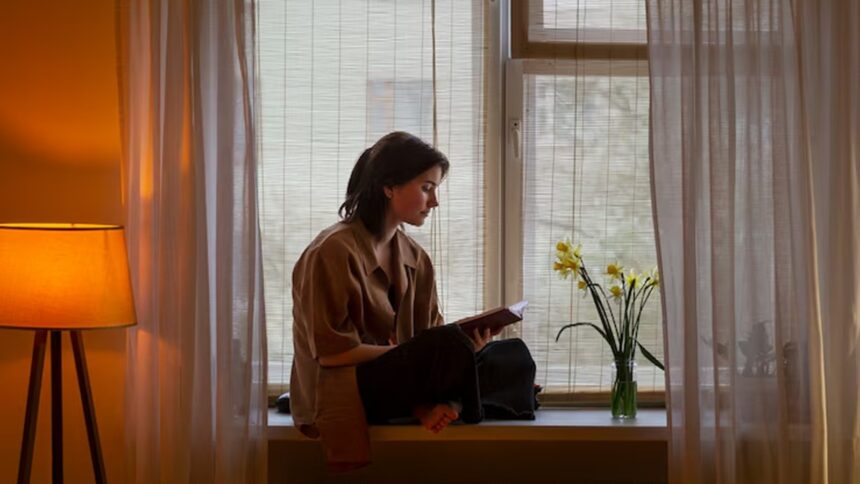
Since the mid-1900s, family formation and living patterns have changed drastically, largely driven by shifts in societal and cultural expectations. In present times, fewer people are choosing to marry, or they are actively delaying marriage, while those who do marry face a higher probability of divorce. Researchers attribute this structural shift to the Second Demographic Transition (SDT). The SDT is characterised by a distinct turn away from traditional family models and toward individualism, postmaterialism, and gender equality.
A variety of modern factors drive this rise in solo living, including rapid urbanisation, increased access to education, higher career aspirations, the postponement of marriage, lower birth rates, and a broader desire for personal independence. Historically, living alone was predominantly associated with older adults or widows. Today, however, the demographic has expanded significantly to include young professionals, university students, divorced individuals, and retirees alike. This widespread demographic shift raises critical challenges for contemporary housing markets, mental health frameworks, public policy, and evolving social values.
According to the United Nations, more people live in cities today than ever before, with statistics showing that 55 per cent of the global population resides in urban areas. These fast-paced urban lifestyles inherently encourage smaller household sizes and independent living arrangements. Furthermore, data from the Organisation for Economic Co-operation and Development (OECD) reveals that single-person households have steadily increased across many developed nations, particularly within Europe, North America, Japan, and South Korea. Increased economic independence has enabled individuals to prioritise education and career advancement before marriage, a trend most visible among women. As these cultural norms shift globally, the social stigma once tightly associated with living alone has steadily diminished.
Autonomy and its Costs: The Dual Realities of Living Alone
Despite its surge in popularity over recent years, solo living presents a distinct set of opportunities and challenges. Living alone grants an individual greater autonomy and direct control over their daily existence, including personal routines, financial management, and independent decision-making. Many proponents argue that solo living fosters privacy, accelerates self-discovery, and offers the freedom to pursue personal goals without the constant need for domestic compromise. Additionally, technological advancements such as online shopping platforms, reliable food delivery applications, and remote work infrastructures have streamlined daily tasks, making solo living far more convenient today than it was for previous generations.
Conversely, independent living carries significant systemic risks. Living alone can induce deep isolation for certain individuals, particularly those who lack robust social support networks and subsequently experience higher levels of anxiety, depression, and stress. The World Health Organization (WHO) has noted that loneliness impacts 1 in 6 people globally, contributing to approximately 100 deaths every hour, which translates to roughly 871,000 deaths annually. Within this dynamic, older adults living alone remain highly vulnerable to social isolation, whereas younger independent adults struggle intensely with financial pressures brought on by high housing rates and inflation. To address these changing demographics, governments and urban planners must recognise the critical need for affordable housing, community spaces, and accessible mental health services, especially since the entire financial burden now falls upon a singular individual rather than being shared across a household.
The rise of the solo generation has simultaneously reshaped housing markets and consumer industries. Architects increasingly design smaller apartments and studio spaces to accommodate shifting demographics and the growing number of single occupants. Similarly, commercial businesses have adapted swiftly by offering products tailored directly to individuals rather than traditional families, ranging from single-portion meal kits and solo travel packages to individual media subscription models. Restaurants in many urban centres now routinely feature solo dining spaces, while coworking offices provide independent workers with essential opportunities to remain socially connected. These commercial adaptations demonstrate how deeply demographic changes influence broader economic activity and consumer behaviour.
The Cultural Friction: Solo Living in the Pakistani Context
Historically, Pakistani society has placed paramount importance on the family unit and joint family households. Young people typically reside with their parents before marriage, and frequently continue to do so afterward. The elderly are traditionally cared for within the home, living alongside their children and grandchildren. Nevertheless, Pakistan is gradually experiencing elements of the solo generation, particularly within major urban centres such as Karachi, Lahore, and Islamabad. Rapid urbanisation, greater access to higher education, overseas employment opportunities, and expanding professional fields have encouraged many young adults to relocate away from their hometowns for work or study. Women are also increasingly pursuing higher education and corporate careers, leading some to postpone marriage in pursuit of financial independence.
However, living alone — especially for women — remains socially uncommon and highly controversial within Pakistan. Conservative cultural norms, safety concerns, and systemic discrimination make it difficult for individuals to establish independent households. Many landlords remain completely unwilling to rent houses or apartments to unmarried women, and negative societal perceptions continue to discourage independent living altogether. Consequently, many young Pakistanis remain structurally dependent on family support networks despite their growing economic self-sufficiency. As Pakistan’s urban population continues to expand, policymakers must urgently consider affordable housing initiatives, improved public transportation systems, and tailored mental health services that accurately reflect these changing household structures.
The emergence of the solo generation does not signal the death of foundational family values. Instead, it demonstrates that modern living arrangements are increasingly diverse. True independence does not automatically guarantee loneliness, just as living within a traditional family structure cannot inherently guarantee emotional well-being. Society must progress in a manner that permits individuals to choose the lifestyle that best suits their specific circumstances and personal goals. People should neither be forced into nor pressured out of solo living; rather, they should be empowered to make this life choice independently, free from familial or societal coercion. As demographic realities shift, families, businesses, and public institutions must adapt accordingly.