





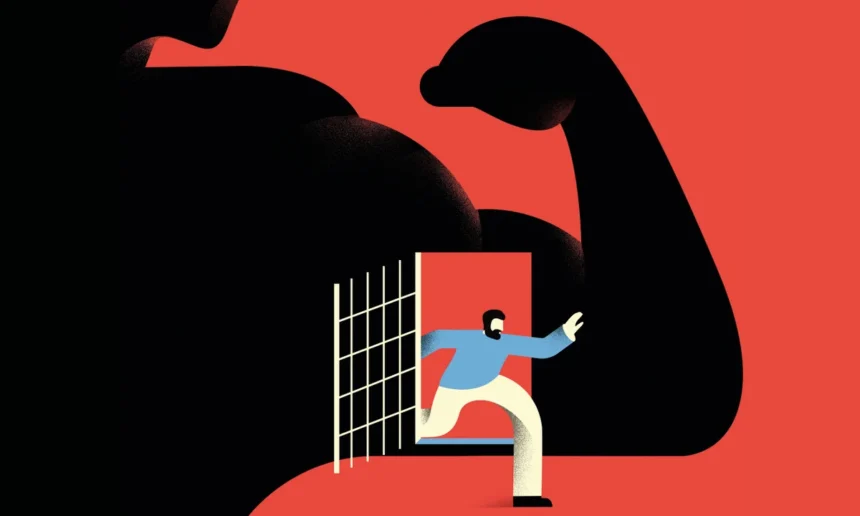
Aggression and masculinity are two things we are taught that go hand in hand. From an early age we directly or indirectly teach our kids that a man is a man when he expresses his anger. We all have heard this one phrase in our society: “Ghussa mard par jachta hai” (Anger suits men), but is this really true, that anger suits men and it shows their strength?
What is masculinity? The dictionary meaning of this word is ‘qualities or attributes regarded as characteristics of boys or men.’ Traditionally masculinity is associated with dominance, emotional suppression, and aggression. From a young age men are taught things like this: “Men don’t cry,” “Men are the leaders,” “Man up and be tough,” etc. Feeding this kind of mentality from an early age makes young boys feel superior to girls. They are told to hide their vulnerable emotions, and if a guy cries or shows his emotional side, they get bullied by their peers. Society teaches men to show only one emotional side, which is anger; regardless of whatever they are feeling, letting it out is the only way to cope.
Over the years media and cultural narratives have promoted toxic masculinity through aggression, stoicism, and anti-femininity. Classic Hollywood, Bollywood and Lollywood movies often portray that the ideal man is the one who is emotionless, has physical power over anyone, can fight and hit people, and doesn’t show his emotions. In older times, the image of a hero was often that of an angry young man, and numerous examples of actors embodying this image can be found.
Hollywood in the era of action heroes in the 70s/80s, which is often described as the “Golden Age,” had a large number of characters that rarely said anything and solved everything with power. For example, John Wayne defined the hero as stoic, emotionally unavailable, and rationalising violence, as in the movie The Searchers. Now if we look at the subcontinent, Pakistani movies were filled with the hypermasculine archetype. To explain this best, we have an example of Sultan Rai, who is a kind of ultimate symbol of folk-hero violence. In movies like Maula Jatt, masculinity was measured by loud voices, violence and not showing any mercy, as that would be a weakness.
However, in this new era, perspective is changing; aggression is no longer considered a strength of masculinity. In fact, strength is now measured by emotional intelligence, mentorship, and the ability to protect and nurture rather than intimidate with power. Referring to this as positive masculinity is now teaching what a man should really be. Instead of oppressing the weak, he should support them and help them.
Masculinity isn’t about hiding your emotions; it’s about showing them, owning them, and letting the other person feel safe with you by validating these emotions. A true man is someone who doesn’t force his opinions on others but respects their opinions and communicates openly before taking any decision. In the 21st century, men are unlearning the macho stereotype they were taught and now shifting towards empathy, collaboration, and accountability.
The change can be seen more promptly in the media, as the aggressive macho stereotypes are no longer liked or supported by men and women alike. To some extent people still like them, but it’s changing a lot. Some examples from movies and TV shows where audiences loved them and wanted more men like them include Chadwick Boseman’s character T’Challa from Black Panther. He is a king who listens to women and leads his kingdom with calmness instead of aggression, and when the traditions are wrong, he admits they are wrong and changes them. Amir Khan’s character from Taare Zameen Par was the only male figure in Ishaan’s life who didn’t mock him or disrespect him when he found it difficult to study and keep up with his peers. Instead, he empathises with him and helps him by becoming his mentor. One example from Pakistani TV shows is Bilal Ashraf’s character Dawood from the drama serial ‘Yunhi.’ He doesn’t control or dominate Kim, but he respects her personality. Kim being the outspoken one, he doesn’t react to her actions with anger or loud voices but settles the disagreements calmly. He chooses emotional regulation over aggression, which is his strength.
Many things are changing in the 21st century, and the shift from toxic to positive masculinity is one of the major changes of this era. People no longer desire aggression, lack of emotional intelligence and empathy in men; they desire men with emotional intelligence, respect, guidance and protection without control. We should teach boys from a young age the difference between toxic and positive masculinity. Adults of this generation should become a good example for them.