





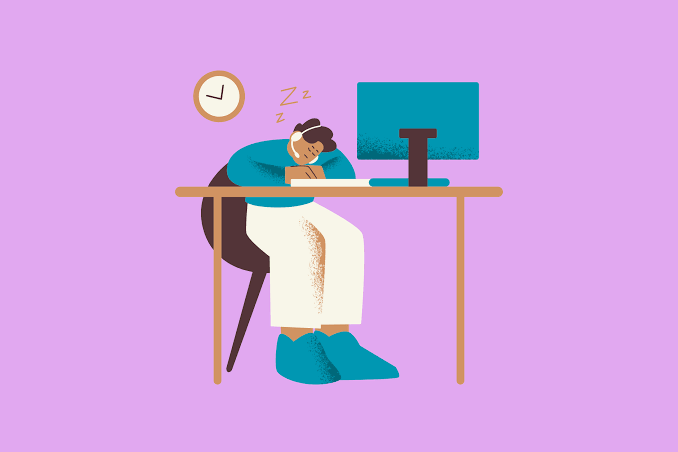
In a world that is constantly moving and evolving, stopping, even briefly, can feel like failing and being left behind. Self-worth starts to depend on your “output” and the “value” you bring to society. Resting feels like lazing around and wasting time, and overworking becomes the price you pay to earn that very rest.
Come to think of it, since when did time come to be understood as an economic resource rather than something we live in?
For much of history, activity followed sunlight, seasons, and the rhythms of tasks. Time was rooted in social and material life, not treated as an interchangeable unit. Mechanical clocks and standardised systems then divided time into numerical, commensurable units. This was a consequence of industrialisation, when factories required workers to operate according to a common time discipline.
So time became inseparable from labour. A worker had to exchange a finite amount of their life for remuneration. Time spent earning carries an economic value, while time not spent working is measured by its opportunity cost.
Under capitalism, happiness stops meaning peace and fulfilment and starts meaning indulgence. It has become an aesthetic, and a well-praised one at that. Having a bad day? Have a coffee. Feeling less confident? Learn a lip combo. Self-help is a five-step skincare routine and a paid podcast on communicating better.
So how did relaxation become so notorious? Somewhere along the way, chasing happiness became the opposite of being responsible. Indulge in relaxation, leisure, art, joy, or escapism, and people assume you must have very little on your plate. You start to feel guilty because you, too, have internalised the idea that a lack of “productivity” means a wasted life. Happiness has stopped being a feeling and become a currency, something you earn. And the price is the one thing you can’t get back: time. You sell your hours for bills, so you can buy comfort, and call that happiness.
Here is the paradox. The decadent, relaxed life is set against the productive one, yet decadence and rest are exactly what productivity promises: better food, more comfort, more entertainment. It’s just the earned version. You’re told to sell your time, but not to waste it on the very things you sold it for. They sell you the idea of an ideal happy life while taking it away, hour by hour.
Meanwhile, the happy become the irresponsible. The ones pushing the rock up the cliff, only to watch it fall again after maybe a weekend, are the responsible, stable adults.
Responsibility has been redefined as productivity. You are responsible when you produce value for the system, trading hours for a man-made, man-valued currency. Your mind’s default setting says any time spent not producing is wasted. But time is all we have, and spending it on producing value and consumerist comfort is the real waste. The “irresponsible” label exists so you keep handing over more of your time, and die doing exactly that.
To survive, you have to be part of the very system that has exploited everyone and everything. But every moment of happiness that isn’t monetised, and doesn’t feed consumerism, is a small rebellion, something that you do for yourself, the afternoon wasted on purpose, the long meal, the walk with no destination. After all, a life wasted well is not a wasted life at all.