





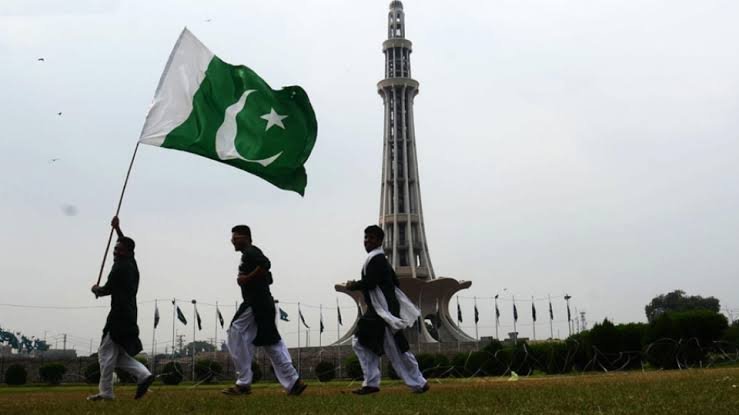
In the contemporary world, hard power alone does not determine the global influence of a nation; rather, a complex array of non-military factors shapes international standing. Technology, cultural exports, athletic achievements, and creative industries play an essential role in cultivating a state’s soft power profile.
In the case of Pakistan, its rich cultural tapestry, distinct cuisine, artistic traditions, and sporting heritage possess significant potential to influence global perceptions far beyond political headlines. Pakistan does not consist of a single monolithic culture, but rather a vibrant bouquet of distinct traditions, with each province showcasing its own unique music, heritage, and regional arts.
Cultural Diplomacy and Global Cuisine
Furthermore, products manufactured in Pakistan embody the unique identity of the nation. Consider, for instance, the historical tradition of “mango diplomacy” between Pakistan and China. The story began in 1968 when a Pakistani delegation visited China and presented crates of premium mangoes to the Chinese leadership. Chairman Mao shared the fruit with workers at Tsinghua University, transforming a courteous gesture into a national cultural phenomenon.
Recently, commemorative celebrations highlighted this legacy of Silk Road mango diplomacy, during which two Memoranda of Understanding (MoUs) were signed between private enterprises from Pakistan and China to expand trade and streamline agricultural supply chains. Such exchanges illustrate the subtle yet effective soft power capabilities of Pakistan.
Pakistani cuisine — defined by its aromatic spices and traditional preparation techniques — offers distinctive flavours that are celebrated across the globe, providing another natural avenue for cultural engagement.
Heritage, History, and Architectural Treasures
The historical art and architecture of Pakistan constitute another pillar of its global appeal. Throughout antiquity, diverse civilizations explored, settled, and flourished across the territory comprising modern-day Pakistan — leaving behind archaeological legacies ranging from the Indus Valley Civilization to the grandeur of the Mughal era, alongside sacred sites of Hindu and Sikh heritage.
According to the UNESCO World Heritage list, six historic sites in Pakistan were inscribed between 1980 and 1997, providing a continuous chronological record of the region’s ancient heritage.
Sports Excellence and World-Class Manufacturing
Pakistan’s contribution to global sports extends beyond athletic participation to international manufacturing. The national cricket team maintains a competitive presence on the world stage, holding top-tier international rankings across formats. Furthermore, the historic achievements of Arshad Nadeem in javelin throw, alongside the legendary dominance of Jahangir Khan and Jansher Khan in squash, remain undisputed milestones in sports history.
Beyond individual athletic feats, Pakistan plays a vital role in supplying equipment to global athletics. The sports manufacturing hub of Sialkot stands as a prime example: footballs manufactured in Pakistan have been selected for four consecutive FIFA World Cups, with Sialkot accounting for approximately 70 per cent of total global match-ball production.
Branding Challenges and the Path Forward
These achievements demonstrate that Pakistan possesses the structural foundation to project meaningful soft power globally. However, major obstacles persist — chief among them being the absence of systematic national branding and sustained promotional strategies to showcase these capabilities.
Similarly, Pakistan’s high-grade denim exports and precision surgical instruments are distributed worldwide, equipping wardrobes and hospitals internationally. Yet despite their global presence, these products rarely receive formal recognition as Pakistani innovations due to contract-manufacturing arrangements.
In summary, Pakistan maintains immense potential to project influence beyond traditional geopolitical spheres. Without strategic branding, institutional support, and deliberate promotional campaigns, however, its soft power capabilities will remain under-utilised on the international stage.