





Russian Ambassador-at-Large Andrey Belousov on Sunday accused the United States of regarding Europe as a potential theatre for nuclear conflict, while warning that NATO’s nuclear-sharing arrangements were increasing strategic risks for Moscow.
In an interview with Russia’s RT television, Belousov argued that Washington’s repeated efforts to open discussions on Russia’s non-strategic, or tactical, nuclear weapons suggested that the United States was contemplating scenarios in which nuclear arms could be used in Europe.
“Essentially, they view Europe as such a potential military theatre,” he said.
Belousov claimed that US calls for greater transparency or reductions in Russia’s non-strategic nuclear arsenal were intended to divert attention from American nuclear weapons stationed in Europe, as well as Washington’s wider nuclear and missile programmes.
He warned that obtaining more detailed information about Russia’s tactical nuclear capabilities, or securing reductions in those weapons, could alter the strategic balance and potentially make a nuclear-use scenario involving the United States and its European allies more likely.
“I hope that Europe will recognise the danger of Washington’s purely operational-military approach to the territory of its allies,” Belousov said.
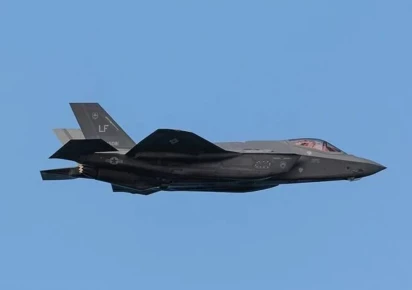
The Russian diplomat also criticised NATO’s longstanding nuclear-sharing arrangements, under which US nuclear weapons are deployed in certain European member states and allied countries participate in planning and exercises associated with their potential use.
According to Belousov, expanding participation in such exercises to additional NATO members was increasing the risks to Russian security.
He said Moscow had reduced its non-strategic nuclear arsenal fourfold during the early 1990s and transferred the remaining weapons to centralised storage facilities, expecting reciprocal measures from Washington.
Belousov also pointed to the erosion of arms-control agreements, US nuclear-force modernisation and Washington’s proposed multilayered “Golden Dome” missile-defence programme as factors that Moscow believes have worsened the strategic environment.
Russia, he said, wants a broader international discussion about what it regards as the destabilising effects of NATO nuclear sharing and continues to seek the withdrawal of US nuclear weapons from Europe.
Despite the tensions, Belousov said Moscow remained prepared to resume strategic dialogue with Washington, although he acknowledged that prospects for reaching mutually acceptable agreements were currently limited.
Any future negotiations, he said, should address the wider range of factors affecting strategic stability and be based on what Moscow describes as equal and indivisible security.
Belousov added that Russia would respond to developments in strategic weapons through a combination of political, diplomatic and military-technical measures, with the stated aim of maintaining the strategic balance and countering emerging threats to its security.