





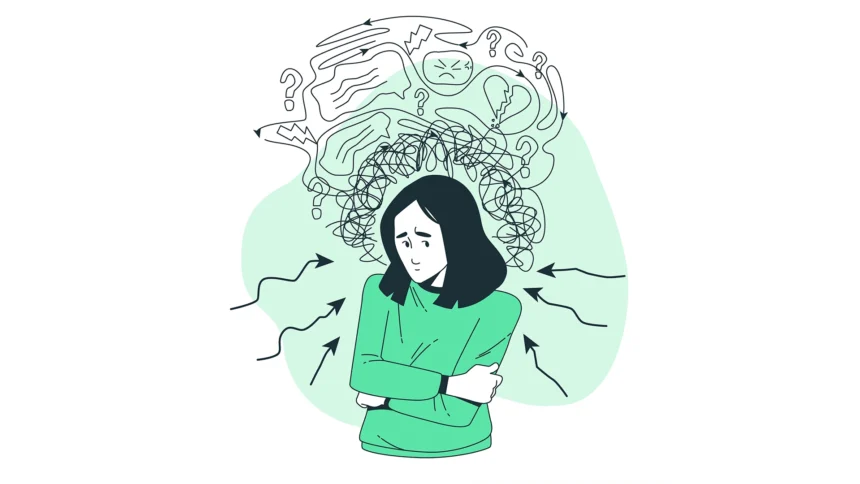
Psychosis is an interesting topic for me, not only because I work in the mental health field and with individuals with disabilities, but also because, growing up, I had family members who were diagnosed with psychosis. Having both professional and personal exposure to mental illness has made me think deeply about what psychosis really means and how difficult it can sometimes be to recognize.
So, what is psychosis? Psychosis involves a loss of contact with reality and can present differently from person to person. Symptoms may include delusions, hallucinations, paranoia, disorganized thinking, mood instability, and significant sleep disturbances or insomnia. The presentation is not the same for everyone, and symptoms can also fluctuate over time.
People experiencing psychosis can sometimes fall through the cracks of the mental health system because they may not fully disclose their symptoms. Some may be afraid of stigma or of the possible consequences of being completely honest about what they are experiencing. They may fear hospitalization or worry about losing access to their children or other loved ones. Dr. Robert Herman discusses this issue in his LifeStance Health article, Why Postpartum Psychosis Is So Often Misdiagnosed, Explained by a Psychiatrist. He explains that people experiencing postpartum psychosis may have enough insight during more lucid periods to conceal frightening thoughts, particularly when they fear hospitalization or losing custody of their children (Herman, 2026).
Mental illness is also complicated because many psychiatric conditions cannot simply be identified by looking at someone or confirmed through a routine CT scan or MRI. People experiencing mental illness do not necessarily look different from anyone else. They may be intelligent, articulate, and able to function normally in many areas of their lives. At times, this can actually work against them. Unless someone expresses thoughts or behaviors that are noticeably unusual, the people around them may have no idea how seriously they are struggling internally.
Reading Dr. Herman’s article and listening to Rachael Watters’s TEDx talk helped me better understand how complicated postpartum psychosis can be. Watters openly discusses her own experiences with perinatal mental illness and the importance of breaking the stigma surrounding maternal mental health. Her story illustrates how someone’s mental state can change over time and why support and treatment are so important. Herman similarly explains that symptoms of postpartum psychosis can wax and wane, meaning that a person may appear calm and lucid at one point while experiencing severe psychiatric symptoms at another.
Postpartum psychosis is also rare. Herman reports that it occurs in approximately one to two out of every 1,000 deliveries and explains that even experienced mental health professionals may encounter very few cases during their careers (Herman, 2026). This helped me understand why even providers may sometimes struggle to recognize it. For me personally, comprehending postpartum psychosis was difficult because of both its severity and the uniqueness of how it can present from one person to another.
I strongly believe in compassion for people experiencing serious mental illness, but I also continue to struggle with the question of accountability. Mental illness can significantly affect a person’s perception, judgment, and understanding of reality. However, when another person has been seriously harmed or killed, I do not believe we can focus only on the illness and forget about the harm that occurred. The victims and their families matter as well.
In my personal opinion, when someone commits a serious crime while experiencing severe mental illness, accountability does not necessarily have to mean punishment alone. It can also mean ensuring that the person receives appropriate psychiatric treatment and that there is careful, long-term monitoring of their mental health and potential risk to themselves or others. I would personally be uncomfortable with someone who committed a very serious act during psychosis simply being considered completely safe because their symptoms improved. Mental illness can recur, medications can stop working or be discontinued, and circumstances can change. Decisions about supervision should therefore involve careful and ongoing professional assessment of the individual’s condition and risk.
At the same time, I recognize how difficult this issue is. If a person’s perception of reality was profoundly impaired during an act, how should we understand responsibility? How much awareness did the person have? Did they understand what they were doing? Did they understand that it was wrong? Could they control their behavior? These are difficult clinical, ethical, and legal questions, and they cannot be answered simply by saying that someone either “had psychosis” or “did not have psychosis.” Psychosis itself can vary tremendously in severity, symptoms, and level of insight.
This is where I believe accountability and treatment become particularly complicated. A person can deserve compassion for an illness they did not choose while society still has an obligation to consider the safety of other people. In cases involving serious violence, I believe treatment should be taken extremely seriously, and decisions about increased freedom or reduced supervision should be based on careful psychiatric evaluation and demonstrated stability rather than assumptions that the danger has disappeared.
Most importantly, I believe we need to make mental health care more accessible before tragedy occurs. Too many people still do not have adequate access to qualified mental health professionals, and providers themselves may have limited experience with rare psychiatric conditions. We also need better communication between professionals. Herman emphasizes that fragmented care can contribute to missed diagnoses when psychiatrists, therapists, obstetricians, hospitals, and other providers each have only one piece of the overall clinical picture (Herman, 2026).
We also need to pay attention to the people around us. When someone begins behaving differently, expressing unusual beliefs, becoming increasingly paranoid, severely sleep deprived, or appearing to lose contact with reality, we should not immediately judge or dismiss that person. We should help connect them with appropriate professional resources and support. Earlier intervention may protect the person experiencing the illness as well as the people around them.
Perhaps what I find most difficult about psychosis is how thin the line can sometimes feel between awareness and a loss of reality. Someone may appear completely rational at one moment and experience profoundly distorted beliefs at another. Reading Herman’s discussion and listening to Watters’s experience reinforced for me how complicated that line can be.
Personally, the idea of losing touch with reality frightens me. I cannot imagine reaching a state in which my perception of reality became so altered that I could harm another person. That discomfort is also part of why I want to understand psychosis rather than simply fear it. The more we understand severe mental illness, the better equipped we may become to recognize warning signs, intervene earlier, reduce stigma, improve access to treatment, and protect both the individual experiencing the illness and the people around them.
References
Herman, R. (2026, September 3). Why postpartum psychosis is so often misdiagnosed, explained by a psychiatrist. LifeStance Health.
Watters, R. (2019, January). Breaking down stigma surrounding perinatal mood and anxiety disorders [Video]. TEDxHieronymusPark.