





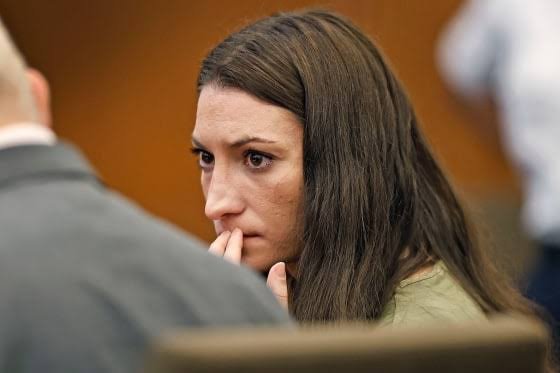
The Lindsay Clancy trial has left me emotionally unsettled. Until recently, I knew little about the case beyond the devastating fact that three children had been killed. After watching portions of the trial and listening to different perspectives, I found myself struggling to understand how to respond as a person who grieves the loss of three young lives while also considering the case through a clinical lens.
I am still learning about the evidence presented in this case and processing the difficult questions it raises. One question reaches far beyond this trial: Is the world truly ready to understand mental illness—not only as a diagnosis, but as a complex reality that can affect judgment, relationships, safety, responsibility, and entire families? Answering that question requires us to examine how we assess psychiatric risk, coordinate treatment, respect autonomy, protect families, and define accountability when severe mental illness may affect a person’s actions.
Assessment Must Be an Ongoing Process
The first question is how thoroughly mental health professionals should assess a person whose psychiatric symptoms are significant or changing rapidly. A diagnosis or a single evaluation captures only one point in time. When a person’s condition is deteriorating, providers may need to reassess risk, daily functioning, sleep, thought processes, medication effects, and changes noticed by family members.
Medication monitoring is also critical. Psychiatric medications do not always produce immediate improvement, and some people experience side effects or changes in symptoms during the early stages of treatment or after a dosage adjustment. Patients and families need clear information about what to expect, which warning signs require attention, and whom to contact if symptoms worsen. Prescribing medication should be accompanied by appropriate follow-up, particularly during periods of transition.
The Need for Coordinated, Team-Based Care
The second question is whether mental health treatment should rely more consistently on a team-based approach. When psychiatrists, therapists, hospitals, primary care providers, and pharmacists are all involved, fragmented communication can create serious gaps. Each professional may hold only one part of the picture. There should be a reliable way to reconcile medications, communicate changes, share relevant observations, and clarify who is responsible for follow-up.
Pharmacists often verify whether a medication has been discontinued or whether a new prescription may conflict with an existing one. Mental health systems need similarly dependable checks. When medications are changed repeatedly or symptoms worsen, the care team should know what other providers are observing and prescribing. Accountability cannot rest on one professional, one appointment, or one family member. It must be built into the system.
Autonomy, Safety, and the Role of Families
A third challenge is balancing a person’s autonomy with concerns about safety. Adults generally have the right to participate in decisions about their treatment, but the situation becomes more complicated when severe symptoms may impair judgment or when children and other vulnerable family members depend on that person. There is no simple answer. Risk, capacity, family circumstances, clinical history, and applicable law all matter.
Laws and emergency procedures may permit intervention when someone presents a serious risk of harm, but these standards and processes can be difficult for families to understand and may differ by jurisdiction. Communities need clearer education about what constitutes an emergency, where to seek help, and what options exist when a loved one refuses care or appears to be deteriorating.
Families also require support. Caregiving can be emotionally and physically exhausting, especially when relatives feel responsible for monitoring symptoms without adequate guidance. We should not assume that love alone equips a family to manage a psychiatric crisis. Caregivers need information, respite, access to professionals, and a clear pathway for reporting urgent concerns.
Questions Raised by Patrick Clancy’s Testimony
Watching Patrick Clancy testify brought another layer of discomfort and confusion. At times, his manner appeared calm and measured, which I found difficult to reconcile with the unimaginable experience of finding his three children. Yet the fuller record matters. The 911 call played in court captured him screaming and crying after discovering the children, and reporting from the courtroom described him as overcome with emotion before leaving the witness stand. Demeanor during selected moments cannot tell us what a person feels. Shock, trauma, emotional numbing, preparation for testimony, and individual ways of grieving can all affect how someone presents. A courtroom appearance is only a narrow window into another person’s suffering.
The testimony nevertheless raised serious questions for me about what the family knew and how safety decisions were made. Patrick testified about Lindsay’s worsening mental health, including intrusive thoughts of harming the children and suicide. Lindsay’s mother also testified that Lindsay disclosed thoughts of harming the children while both she and Patrick were present. Lindsay had received extensive psychiatric treatment and was discharged from a psychiatric hospital 19 days before the killings. However, the claim that a voice commanded the killings was described in later accounts; I found no reliable basis for saying that Lindsay had disclosed that alleged command voice to Patrick before the deaths.
If a parent is experiencing severe psychiatric distress, undergoing hospitalization, taking multiple medications, or reporting thoughts involving harm to the children, who ensures that the children have another capable adult present? I wondered what Patrick understood about his wife’s medications, symptoms, and level of risk, and whether the family had received a clear safety plan. The publicly reported evidence does not establish that he anticipated the killings, nor does it establish exactly what instructions clinicians gave the family. These questions therefore should not be treated as proof of blame. They point to the need for direct communication and explicit safety planning among providers, spouses, relatives, and everyone responsible for children in the home.
This aspect of the case reminded me of a loved one in Pakistan who struggled with mental illness. Although Pakistan is often described as a developing country with limited mental health resources, I was struck by the psychiatrist’s immediate concern for the children. The psychiatrist wanted to confirm that the children were safe, that another supportive adult was present, and that they would not be left alone with the family member during the crisis. That experience made me wonder why explicit family safety planning does not appear to be a consistent and visible part of psychiatric care everywhere.
I was also deeply affected by the testimony of Officer Stephen Hall, who became visibly emotional while recounting what he had witnessed. His reaction communicated the horror of the scene in a way that felt different from some portions of Patrick’s testimony. Yet comparing their reactions cannot tell us who suffered more. A first responder describing a traumatic scene and a father testifying about the deaths of his children occupy different psychological positions, and trauma does not produce one universal emotional response.
I also encountered online claims about a five-star hiking-trail review allegedly posted from Patrick’s account in February 2023. Because I could not confirm the claim through sufficiently reliable reporting or establish the full context, it should not be used to judge his grief, motives, or character. This is an important reminder that public discussion of a trial can quickly turn an unverified online detail into apparent evidence. Questions are understandable, but discomfort and speculation should not become certainty.
Mental Illness and Accountability Can Both Be Real
The most painful question concerns accountability. If a person kills their children but is found not criminally responsible because severe mental illness prevented the legally required understanding or control of their actions, what should happen next? A lack-of-criminal-responsibility verdict does not necessarily mean that the individual simply returns to the community. Psychiatric hospitalization, continued evaluation, treatment, and legal supervision may follow. The difficult issue is determining what level and duration of care are necessary to protect the individual, the public, and surviving family members.
Acknowledging severe mental illness does not require us to minimize the deaths of three children. Their lives and the horror of what happened must remain at the center of the conversation. At the same time, recognizing the horror of the act does not require us to deny that serious mental illness may profoundly affect perception, judgment, and behavior. These realities are not mutually exclusive. Both deserve careful and compassionate consideration.
Culture, Faith, and Moral Understanding
Public discussion of this case also includes moral and religious perspectives. Although the legal system must apply secular law, culture, faith, and personal values shape how many people understand responsibility, suffering, sin, mercy, and justice. These beliefs are part of who we are. They may not determine a legal verdict, but they help explain why people respond to the same facts in deeply different ways. Respectful discussion should make room for those differences without allowing moral certainty to replace careful attention to evidence.
Lessons for the Mental Health System
This case raises broader questions about personal responsibility, patient rights, clinical responsibility, continuity of care, and the response of the mental health system when someone’s condition changes rapidly. Similar questions emerge after other acts of severe violence, when the public later learns that the person may have had serious psychiatric symptoms. Mental illness alone does not make someone violent, and most people living with mental illness do not harm others. Still, credible warning signs and marked deterioration must be taken seriously.
Mental health care is often treated as something people seek only after they are already in crisis. We should consider how routine mental health screening, better public education, and accessible follow-up could help identify concerns earlier. Screening by itself cannot predict every tragedy, but regular opportunities to discuss emotional functioning may reduce stigma and connect people with help before symptoms become overwhelming.
Our mental health system must become more thorough, coordinated, and responsive. Providers need structures that support communication. Patients and families need clear education about medications and warning signs. Caregivers need support, and communities need understandable crisis pathways. Most importantly, intervention must occur as early and effectively as possible—not only after irreversible harm has taken place.
I am still processing this case, and I do not pretend to have reached a final conclusion. What remains unmistakable is the profound sadness of three young lives lost. Any meaningful response must honor those children while also confronting the difficult clinical, legal, and ethical questions that their deaths have placed before us. The world will be ready to understand mental illness only when we can hold compassion and accountability together, listen before rushing to judgment, recognize warning signs, support families, and respond before a crisis becomes a tragedy.