





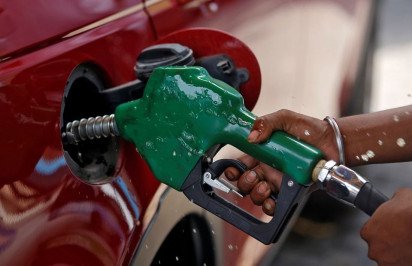
The federal government on Monday increased the price of petrol by 77 paisas per litre while reducing the price of high-speed diesel (HSD) by Rs1.03 per litre, as Pakistan continues to adjust domestic fuel rates amid volatility in international oil markets.
According to a notification issued by the Petroleum Division, petrol will cost Rs342.79 per litre from September 1, while the price of HSD has been set at Rs370.41 per litre.
The revision follows a temporary reduction announced for August 29-31, when petrol and HSD prices were lowered by 58 paisas and 17 paisas per litre, respectively.
Pakistan recently shifted to a daily petroleum pricing mechanism, replacing the weekly system introduced earlier, as renewed conflict between the United States and Iran increased uncertainty over global energy supplies and contributed to sharp fluctuations in crude prices.
The latest domestic adjustment comes as international oil prices climbed more than 2% on Monday following a resumption of military action between Washington and Tehran.
Brent crude futures rose $2.17, or 2.46%, to $90.27 a barrel by 12:12 p.m. EDT, after touching $91.52 during the session, their highest level since August 25. US West Texas Intermediate crude gained $2.06, or 2.47%, to $85.46 a barrel.
Supply concerns have also been heightened by a decline in US emergency oil inventories. Crude stocks in the US Strategic Petroleum Reserve fell by approximately 3.1 million barrels to 286.6 million barrels last week.
Pakistan is particularly exposed to fluctuations in international energy markets because domestic refineries meet only part of the country’s requirements, with the remainder supplied through imports of crude oil and refined petroleum products.
According to the Pakistan Economic Survey 2024-25, petroleum products are among the country’s largest import categories. Higher international crude prices can therefore increase the import bill, put pressure on foreign exchange reserves and feed into domestic inflation.
Global fuel prices remain vulnerable to geopolitical developments, including the continuing US-Iran conflict, OPEC+ production decisions and potential disruptions to major shipping routes such as the Strait of Hormuz and the Red Sea.