





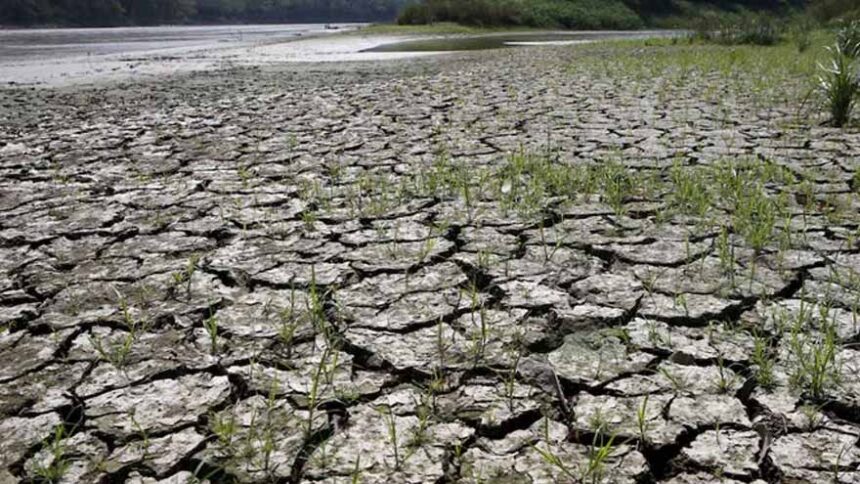
Dry weather is disrupting crop planting across Asia, raising concerns about food supplies in the world’s most populous region, and an expected severe El Nino weather pattern could inflict more damage.
From India’s grain-producing northwestern plains to Australia’s eastern wheat belt, and from Thailand’s rice fields to Indonesia’s vast palm oil plantations, hot weather and below-normal rains are hurting crops and forcing farmers to reduce planting, farmers, analysts and traders said.
El Nino-driven dryness is a double blow for farmers already grappling with fertiliser and diesel shortages caused by the Iran war.
Wheat prices Wv1 have risen about 20% since the start of 2026, largely on concerns over drought in key US growing regions. Rice prices at major Southeast Asian export hubs have climbed around 15% over the past month on rising production costs and fears of tighter supplies.
One of the strongest El Ninos on record is widely expected to develop in the second half of 2026, bringing hot-dry weather to Asia and excessive rains to the Americas, with global climate change making things worse.
“The El Nino impact globally starts with Southeast Asia, India, Australia, before it has wider implications downstream in North America and South America,” said Chris Hyde, a US-based meteorologist at satellite data and imagery firm SkyFi.