





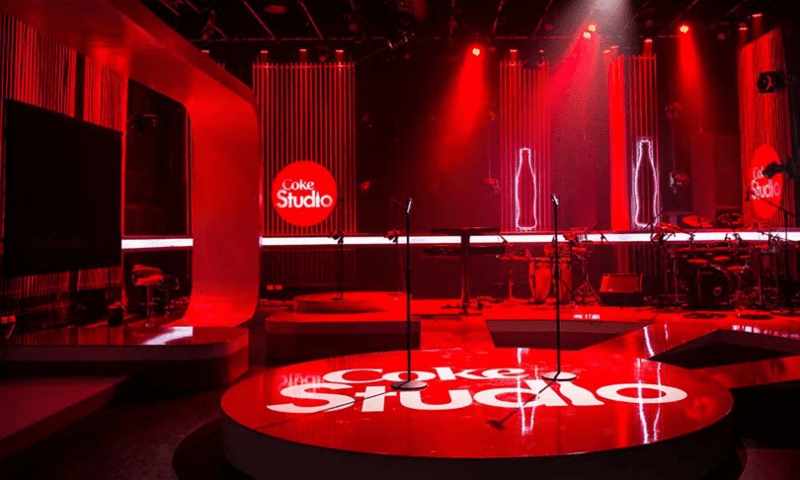
A Stage That Reached the World
Coke Studio has evolved from a smaller music experience into one of the biggest musical platforms in the world and a representation of culture for Pakistan. Millions of fans watch Coke Studio’s music and videos globally across borders and cultures, and even language barriers do not prevent fans from enjoying, sharing, and listening to its music.
For many, Coke Studio is not simply a form of entertainment. It serves as a window into Pakistani cultural identity. It offers the sounds of established traditions, but with arrangements and performance styles that appeal to contemporary audiences.
Reviving the Past in a Modern Sound
What stands out about Coke Studio? It keeps old songs alive. Regional tunes once forgotten now play loud again. Different voices share one space, each adding something unique. Traditional tools of sound find new breath here. Languages that rarely hit the airwaves get heard. A singer from the north meets another from the south — both stand tall under the same lights.
Now playing across continents, a tune born in one quiet village travels far. Recognition follows traditions that had begun to slip away. Younger listeners find their way into sounds they might otherwise ignore. From hushed beginnings to global reach — echoes grow where least expected.
Yet the comeback isn’t just copying what came before. Changes slip in quietly. Rhythms shift, shaped by today’s pulses, crisp studio work, and influences from far places. Old echoes mix with fresh tones, somehow familiar yet different at once.
The Question of Authenticity
This is where the controversy arises: is Coke Studio preserving or reshaping culture? One side of this discussion is that these types of platforms offer a way to maintain tradition. Without this type of platform, many forms of folklore may no longer exist. The artist has increased visibility and respect. Heritage is now part of the mainstream conversation.
On the other hand, the media format can change the spirit of the original work. The songs have been shortened. The lyrics have been simplified. The rawness of the traditional performances has been replaced with the pristine, polished sound of the recording studio.
Many critics believe the culture is being reshaped to fit a global audience. It is easier to listen to, but it is not in its original, authentic state.
Made for an International Audience
Coke Studio is not meant for only people living in the country, but the quality of production and collaboration, the style of what is seen and the subtitling option would make it appealing to an international audience to want to listen to the same thing, as well as the quality of music being art; therefore, there will be an appeal to almost every culture on some level.
By doing so, an opportunity for cultural diplomacy is created where Pakistan provides the story of who they are through music. It represents the diversity, creativity, and depth of the country, and in a world that often judges countries based on political issues, this soft image adds weight to their position.
Music offers a means to connect; it creates curiosity and understanding, and provides a story that does not need translation.
Accessibility vs Depth
However, with accessibility come trade-offs. When music is changed to fit a more global audience, it is often made less complex. Decreased complexity often occurs through the removal of some of the classical elements and the creation of uniformity of style throughout an entire country and/or region.
The important question here is whether we are making our culture easier to consume or removing complexity from our culture and therefore removing the depth that once existed within that culture.
The majority of listeners are introduced to Pakistani music through Coke Studio. Everything they hear there will create their perception of the culture. In turn, if this representation of culture is selective, their view of culture will also be limited to what they can hear.
Who Is Cultural Representation For?
Before continuing with the presentation of culture, let us examine a more profound question: Who is this representation meant for?
Is the Coke Studio focused on preserving art within the local community, or is it focused on presenting an “amplified” version of the culture so that it is acceptable to the global market?
The truth probably lies somewhere in the middle; it’s both/either. The Coke Studio has created many opportunities for the artists, but at the same time, it has created a way for the world to look at and perceive culture.
However, we should remain mindful of that balance. Culture has meaning beyond being a performance; it is an experience and shares history, emotions, and identity as well.
A Bridge, Not a Replacement
Maybe Coke Studio works like a path between old sounds and today’s ears. Not only does it bring folk rhythms into current playlists, but it also quietly invites curiosity. Suddenly, forgotten melodies feel close again.
Folk tunes and old-school melodies deserve room to breathe just as they are. Not everything must bend to new shapes. Gatherings where voices rise together keep meaning. When people meet to play, something real stays alive. Stage shows with raw presence hold weight too.
Finding the Balance
A single beat echoes where languages once divided. Through sound, places far apart begin speaking. Quiet moments on stage turn into worldwide whispers. Homegrown voices rise, heard even in distant rooms.
Besides making us think, it nudges a closer look at cultural portrayal. True representation can go hand in hand with a wide reach, yet lining up both rarely happens without effort. Music, when used to bridge cultures, walks a fine line. Though it brings listeners together, staying true to its origins matters just as much.