





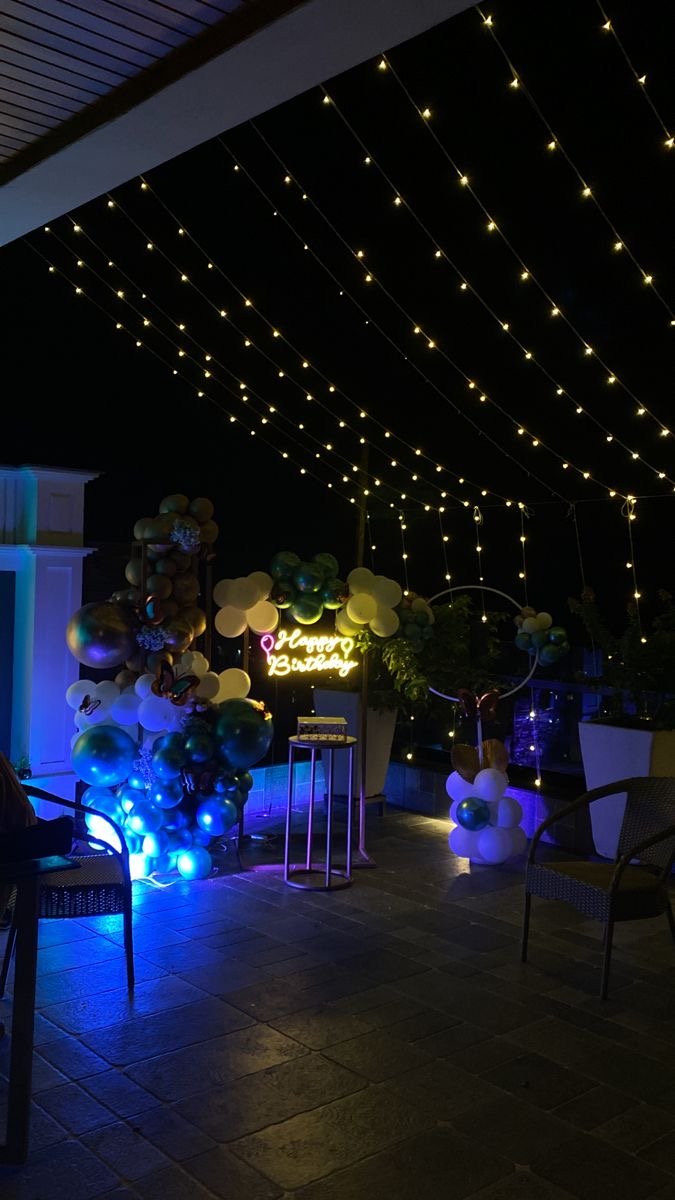
Cast your mind back and capture the nostalgic charm of young children’s birthday parties celebrated in their school classrooms. What does it evoke in your mind? I can visualise a child, my schoolmate, dressed in coloured clothes, proudly walking down the classroom aisles, distributing simple treats, like loose candies, small goodies, cookies, or Cupcakes, to each classmate. Everyone’s focus is on the birthday child all day, and he or she is the centre of attention, with no distractions from modern screens and no extravagant party favours, just a humble, wholesome, simple, and communal tradition.
Additionally, if someone wanted to celebrate it more elaborately, they could give a few of their best friends a small invitation card for an evening celebration with their family members and a few other guests at their house. If I really think back, I am pretty sure that only a few of the friends got permission from their parents to attend the party; others were never even granted permission to go to the friend’s house. During the evening celebration, there were simple games such as a treasure hunt and musical chairs. The difference between one party and another, making it more luxurious, would only be how beautifully decorated it was and how big the birthday cake would be.
Since times have changed, so have the ways we celebrate events. Now, professional party planners turn modern birthdays into branded multi-sensory productions. In the past, birthdays were celebrated with a simple home gathering to mark another year of life, build social connections, and share joy with the people we care about.
Experts note that buying “packaged corporate parties” turns a deeply personal family milestone into a standardised customer product.
In interviewing a party planner, I was told that there are seven stages of event planning:
“Setting goals, defining scope, budgeting, selecting venues and vendors, marketing, managing logistics and finally evaluating success.”
Adding to that, she said they centred the event on what the birthday person truly loves. It could be specific themes related to superheroes, Spider-Man and Batman for the boys, and Disney princesses for the girls, etc. All activities should be fully organised, with excellent food, venue-based parties, an engaging atmosphere with lighting, thoughtful music, a playlist, photo booths, and a comfortable, enjoyable event for the guests. Birthday parties can be seen as a simple family gathering of the past, now turned into a competitive display. Added to it is the social media presentation pressure: the pics loaded on Facebook and Insta, etc., full of celebrations and festivities at their peak, of course, cause discomfort, lack of confidence and an inferiority complex among the children who can’t afford to celebrate that way.
When every birthday is an expensive production, children absorb the consumerist message that an event’s worth — and by extension, their own value — is directly tied to how much money is spent. Studies show that intense social pressure forces many parents to overspend or make significant personal sacrifices to meet commercialised expectations. If parents fall short of hosting a Pinterest-perfect or elaborate venue party, it often creates unnecessary parental anxiety and guilt.
Child Psychologists generally argue that the commercialisation of children’s birthday parties shifts the focus away from what children actually need for healthy development.
When interviewing a Child Psychologist, she answered, “A benefit of a birthday party has nothing to do with price tags or grandeur. She also added that instead of “entertainment packages”, children need a safe space to practice organic social skills like sharing and turn-taking.
Instead of “expensive material and party themes”, there should be “emotional validation” that makes their child feel seen, loved and unique within their family role.
Instead of a large guest list, there should be meaningful connection and time spent creating positive, long-lasting sensory memories with loved ones.
To conclude, in the past, celebrations were simple and family-based, full of closeness, love, vitality, and fun, in contrast to now, when each celebration, with its ‘social media presentation pressure’, requires specialised event planners and a significant amount of money.
Simple family gatherings have turned into a competitive display.