





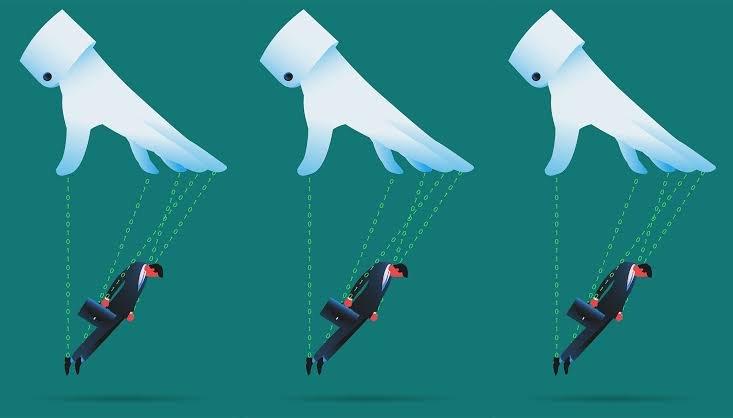
Like any other developing country, Pakistan faces many challenges, including economic failure, political unrest, and institutional collapse. However, what differentiates Pakistan from other developing countries is that public discussions regarding these issues tend to revolve around conspiracy theories. Whether it is inflation, governance failure, or political turmoil, the concluding sentence of the conversations regarding the matter is always, “This is all a conspiracy”. Even before facts emerge, people conveniently resort to this explanation rather than waiting for the evidence to emerge and be examined. This is not to say that conspiracies do not exist; they certainly do, but making them a default excuse for every setback is detrimental to society, as it hinders meaningful public debate.
Why does this happen?
Over the years, we have been susceptible to the idea that national-level problems result from a foreign agenda. As a consequence, making up conspiracy theories has become an easy way to explain complex issues. To simplify complicated situations and reduce uncertainty, we have become accustomed to blaming everything on external forces. Instead of questioning our own policies and holding institutions accountable, we feel a sense of relief by believing we are victims of someone else’s wrongdoing. Nevertheless, this habit of constant blaming comes at a cost.
The greatest drawback of framing conspiracy theories is not just that they might be inaccurate but, more importantly, that they divert attention from the root cause and thus weaken accountability. When every failure, every shortcoming, is attributed to hidden agendas and external plots, fewer questions are asked of those responsible for policymaking and implementation — public discourse shifts away from facts, leaving less room for transparency. Clinging to conspiracies not only weakens the process of accountability but also changes the questions that are asked. Instead of asking, “Why did our policy fail?” or “Who was responsible for implementation?”, we immediately ask, “Who is behind all this and why?”
This pattern has been seen several times over the years.
In 2023-2024, Pakistan was facing an economic crisis and was undergoing the IMF programme — during that time, much of the public debate revolved around the notion that the cause of high inflation, increased taxes and rising fuel prices was a hidden IMF conspiracy or a foreign agenda. The role of the IMF in attaching the conditions certainly deserved public scrutiny, but not at the expense of overlooking internal challenges, fiscal policies and structural weaknesses that equally contributed to the economic meltdown. By focusing solely on external factors, attention was diverted from the regulations that required closer examination and reform.
Such a pattern was observed during the nationwide internet disruption in 2024-2025. Before official statements became available, social media was flooded with speculation and theories — they spread faster than any verified information, and their impact was far-reaching. Claims such as an underwater shark attack took over online discussions while conversations based on evidence received far less attention. Whether those theories were right or wrong became a secondary matter because the public had already settled on this explanation, undermining the importance of seeking credible reasoning and institutional oversight.
Democracies work well when citizens demand transparency and accountability and question decisions and decision-making, all based on evidence and facts rather than speculation. For that, we should adopt an evidence- and fact-based approach so that the temptation to accept unusual and superficial explanations is not preferred over waiting for official news. This scepticism will encourage mature conversations and investigations to reach a better and more vigilant conclusion.
Perhaps now is the time to change the way we think about and respond to national setbacks. Instead of resorting to convenient answers such as ‘conspiracy’, we need to ask the right questions. “What was the actual cause of this?” and “What shall be done to prevent this from happening in the future?”
Even though this shift in mindset will not solve the issues entirely, it will promote a culture in which the government takes ownership and is held accountable by the citizens — by valuing accountability over assumptions and seeking answers based on facts.