





Masculinity is a socially constructed set of characteristics associated with men. Traditionally, characteristics associated with “masculinity” are competition, control, strength, sports, power, aggression, and mostly no emotional vulnerability. When we talk about gender equality, we mostly talk about the barriers that women face while ignoring the pressure placed on men by these traditional ideas of masculinity. It is important to acknowledge that the same patriarchal norms that restrict women can place damaging expectations on men as well. Patriarchy, especially in Pakistani society, teaches men this concept of “toxic masculinity,” which not only harms women but also limits men by defining everything that they are or are not allowed to feel, choose, and become. Understanding this side of patriarchy will never diminish the struggles of women; rather, it shows how these gender roles harm everyone.
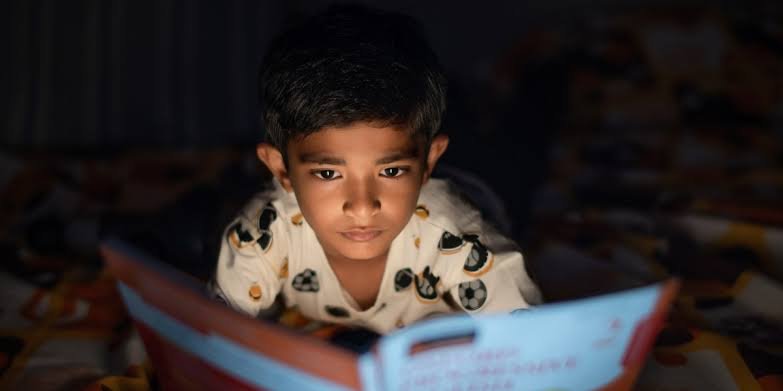
In Pakistan, from a very young age, many boys begin to hear words like “mard bano”, “don’t cry”, “protect your family”, and “never show weakness”. While these comments at times may stem from love and a desire to see a child succeed, they place a very heavy burden on the kid. Long before they even become adults, many young men feel that their worth is going to be measured by what they can provide rather than who they truly are.
The idea of being “the perfect son” is deeply rooted in family and cultural expectations. A “perfect son” is expected to excel academically, have a prestigious career, marry at the right time to the right woman, and have a son to carry on his legacy. Failure in any of these is not only viewed as a personal setback, but it is also considered a disappointment to the entire family. This pressure of being viewed as perfect significantly affects a man’s mental health. According to the World Health Organisation, mental health disorders are among the leading causes of disability worldwide, yet men are generally less likely to seek psychological support. In a country like Pakistan, this issue worsens due to the already existing stigma around mental health conversations and therapy. This teaches men to suppress their emotions instead of figuring out how to process them in a healthy way.
The consequences of attempting to be the perfect son extend far beyond emotional well-being. The constant pressure to become the family’s primary breadwinner exists, which most of the time influences a young man’s educational and career choices. Many young men pursue professions that promise financial stability rather than careers aligned with their interests or talents. This leads to them abandoning their dreams of becoming artists, writers, musicians, or teachers, as these dreams are considered “impractical” for them. It is important to acknowledge that financial responsibility is important, but it becomes problematic when it leaves no room for personal fulfilment or individual choice.
Relationships also suffer under these expectations. Emotional vulnerability is a fundamental part of healthy friendships, marriages, and every other relationship. Yet, boys who grow up believing vulnerability is a sign of weakness will struggle to openly communicate with their partners, parents, or even friends. These men may not know how to properly process their anger issues, and this can lead to emotional distance with their partner or family, further causing misunderstandings, loneliness, and difficulty seeking support during periods of stress.
These expectations and the set definition of what a perfect son is do not exist in isolation; they emerge from broader gender norms that have historically assigned different roles to men and women. The same societal beliefs that pressurise a man to become a provider have also limited women’s opportunities in education, employment, leadership, and personal autonomy. These expectations are interconnected, and it is important to address both together.
Encouraging boys to express their feelings, seek professional help when required, and define success on their own terms can improve both individual well-being and family relationships. Conversations about gender equality should also include a more honest discussion of masculinity. Supporting men’s mental health will never challenge feminism or women’s rights; rather, it will complement the actual goal of dismantling gender stereotypes.
A “perfect son” is not someone who is fearless, emotionless, or endlessly self-sacrificing, but is someone who is simply himself. A son should be allowed to be human, show emotion, be empathetic, and, above all, not let someone else choose his life for him. When we replace unrealistic expectations with compassion, we create a stronger community and a more equitable society for both men and women.