





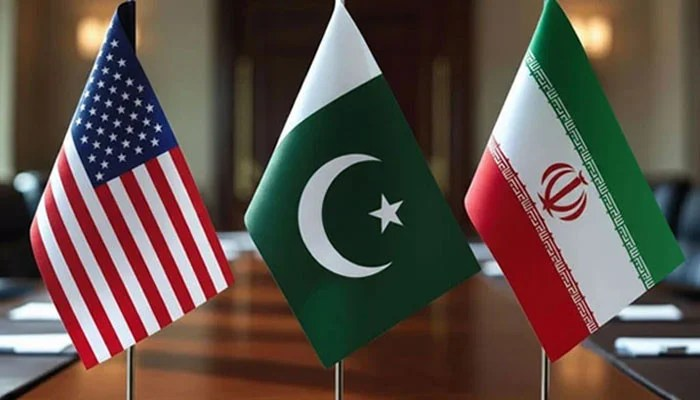
Global diplomacy often contains the use of force or economic penalties today. Pakistan has worked quietly to ease tensions between Iran and the United States. This effort shows how smaller nations maintain influence during major rivalries. Islamabad acts as a moderator rather than a judge. This remains useful when rivals refuse to meet directly. Iran and the United States have lived with deep mistrust since 1979. They argue frequently over nuclear power and regional control.
The failure of the nuclear deal created more danger and confusion for everyone. People have used mediators for years. No reliable diplomatic structure exists yet between them. These gaps make small talk necessary for both nations today. Think of Pakistan’s role as helping rather than fixing. Islamabad avoids imposing specific outcomes on Washington or Tehran during these talks. It focuses on keeping communication open during periods of political silence. This smart strategy knows local limits and hard realities. Focusing on small wins, it prevents total failure. Every message sent helps prevent fighting. Pakistan talks to both countries effectively. It works with Americans on security and trade while sharing history with Iranians. This access matters, even if it seems small.
Pakistan avoids picking sides, so people trust its work. Neutrality keeps doors open when neighbours might choose to fight again. International law supports these peaceful steps. The United Nations Charter encourages members to solve problems without violence. Articles 2 and 33 tell nations to negotiate first. Pakistan follows these rules by keeping everyone talking through official and backchannel paths. This keeps peace as a priority despite not having a huge legal mandate.
Tension grows because people misread signals. Small errors in the Persian Gulf can quickly lead to war. Pakistan helps by checking messages to stop accidents before they grow. Formal diplomacy is struggling, so any help counts. By managing perceptions, Islamabad keeps the situation calm. Stability depends on these small efforts when regular rules start to fail. Nuclear concerns make this conversation even more vital for everyone.
Uncertainty grew after the nuclear agreement died recently. Hidden channels matter more when systems break down completely. This work will not fix every problem, such as sanctions or reactor sites. Still, it keeps people ready for a future solution. Small diplomatic wins create the basis for bigger peace treaties if everyone decides to cooperate. However, it is important to recognise Pakistan’s role’s limitations. Islamabad lacks the power to force either side to change their fundamental strategic stances. Its impact still depends on Tehran’s and Washington’s readiness to interact, even indirectly. Furthermore, as of April 2026, there is no publicly verifiable proof that Pakistan’s participation has resulted in tangible agreements or changes to policy. Therefore, rather than being transformative, its contribution should be viewed as stabilising. However, Pakistan’s strategy draws attention to a broader reality of modern international relations. Middle powers can contribute significantly to crisis management when major powers are frequently limited by internal politics and geopolitical rivalry. This kind of involvement puts stability ahead of visibility and gradual advancement ahead of lofty but unachievable goals. This provides policymakers with a crucial perspective.
To manage conflicts effectively, informal diplomatic actors who can maintain communication during periods of heightened tension should be included alongside formal negotiations. Pakistan’s involvement shows how regionally embedded states can support institutional mechanisms by keeping lines of communication open when more established ones break down. In the end, Pakistan’s quiet diplomacy amid tensions between the United States and Iran should be seen as a stabilising intervention in a complex and dynamic geopolitical environment rather than a breakthrough. Such initiatives uphold a basic tenet of international relations, which is that prolonged communication, no matter how limited, is still preferable to unchecked escalation in an increasingly fractured global order.
Very informative.
Weldone Ayesha. Very good.
Very pertinent article about the situation in Gulf states, the writer has correctly pointed out the importance of Diplomacy.
Nicely written,quite informative and logical.
Very informative and pertinent. Keep it up
Good article
Insightful and well explained article
Highly appreciated your efforts 👌 So knowledgeable..Thankful
Well said, we as Pakistanis should appreciate this stance keeps our differences aside for the sake of our sovereign state as well as stand strong with Muslim Neighbour (Iran) in the time of war.
MashaAllah, your article on Pakistan’s quiet diplomacy in Iran–US tensions is a thought-provoking read. It’s amazing to see your work featured in Jarida newspaper. Keep sharing your insights!
Very informative and well thought!!!
Very informative!!!
Ayesha very nice article keep it up
a very insightful article
The mediator role of Pak between US and Iran war is a shift in power corridors of South Asia which will further aggravate the importance of Pak in coming days.
Well jotted down article 👏