





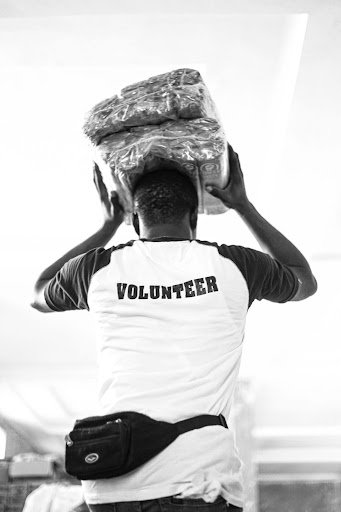
Everyone praises the value of “gaining experience”. But seldom do we ask why those expected to gain it are the young people who need an income the most.
There is a certain kind of tiredness that comes from dedicating your purpose, commitment, and passion while earning nothing in return, and yet forcing yourself to be fine with it. Speak to any young Pakistani who has devoted a summer to unpaid professional work, a so-called “social impact” internship, or a campaign that offered future opportunities rather than a paycheck, and the story that follows is often familiar: appreciation on the surface, but also a lingering bitterness that no one is expected to say out loud.
The rhetoric surrounding these programmes often disguises privilege as a chance for growth. Develop your credentials. Support your community. Be a force for change. It is framed as something noble, and many times the efforts behind it genuinely are — teaching in communities with fewer educational resources, creating health outreach programmes, building support for a cause that deserves attention. Nobody is claiming that these causes lack legitimacy or that young people’s involvement in them is a sign of idealism or inexperience. The issue lies in an uncomfortable question that is harder to confront: why is meaningful contribution so often expected from individuals who have the least financial security to take on such responsibilities?
A student with a strong financial safety net can afford to take on a three-month unpaid internship that carries social prestige because they don’t have to worry about basic expenses, and the experience strengthens a resume supported by their family’s resources. A student who contributes to their family’s income or pays for their education cannot afford to trade income for experience. The freedom to act on idealism turns into a luxury good, paid for with spare time that many people simply do not have.
At the same time, the organisations behind these initiatives seldom absorb the cost of making them possible. A campaign secures months of valuable expertise and effort — research, creative development, public relations, and event management — from young individuals striving to earn recognition for their abilities, yet it overlooks the larger question of who profits from their unpaid work. The organisation gains the final products of that labour. The funder receives a polished report filled with impact figures. The volunteer walks away with a LinkedIn post and a certificate. Somewhere within that transaction, real paid jobs that could have been created are quietly replaced, because why pay for professional work when an eager student is willing to work for exposure and the recurring promise of “visibility” as compensation.
This is not an issue with volunteer work as a practice, which, in the best cases, provides learning that extends far beyond the reach of traditional education — the patience to persist, humility, the ability to work alongside systems. But there is a clear distinction between offering your time freely because you can, and being forced into it by economic circumstances because gaining access to professional work requires a season of unpaid work as the price of admission. When this happens, the very individuals who most need to improve their circumstances are quietly denied access because they cannot afford to participate.
If organisations are sincere about empowering young people, the true test is this question: Would this initiative remain viable if it had to fairly compensate the workers doing the job? If the answer is no, perhaps the real issue was never that young people lack ambition, commitment, or idealism. It was a system that figured out how to turn youthful idealism into unpaid labour.