





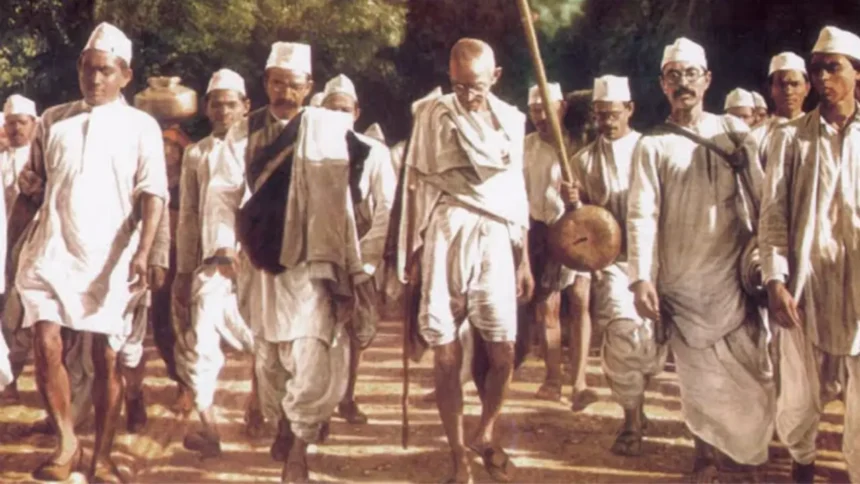
The Salt March of 1930. A key event we all have studied at least once in history classes. A civil disobedience movement led by Mahatma Gandhi. A pivotal event in the struggle for independence. Back then, we were too young to appreciate the practical significance and genius of this protest, including the tactical brilliance of Gandhi’s Salt March and the symbolism of salt. How a basic household ingredient united thousands of Indians and paved the way for eventual independence from the imperialist British empire.
One of the ways the British Raj kept Indians under control was through the salt monopoly. The Indian population was forbidden from producing and selling salt independently; instead, they were to purchase heavily taxed and expensive salt for their daily use, which was often imported. This lucrative scheme affected millions of Indians, who were already burdened by low wages and could not afford such an expensive staple. A series of protests had erupted and died throughout the time under British rule against the salt monopoly; however, nothing ever lasted. On March 12, 1930, Gandhi began the Salt March. Spectators watched as Gandhi, along with his 78 volunteers, started a march to Dandi, a village on the sea coast. Gandhi declared that he would break the salt law and attack the salt tax.
Day by day, the campaign grew. Men, women and children joined, lining the streets and offering flowers. Finally, on April 5, the protesters reached Dandi. Gandhi, along with a group of his selected followers, walked to the seashore and picked up the salt deposits along the shore, thereby breaking the salt laws. Soon, Gandhi was arrested, but he proved to be more dangerous from inside the cell. His following grew, protests erupted, and Indians united.
Gandhi’s calculated genius shows in his symbolic choice to use salt as a weapon for protest. A mundane, simple, common thing, consumed by the rich and poor alike, became a symbol of power for the empire. An unreachable status. By choosing salt, Gandhi aimed at uniting the Indians of various socio-economic backgrounds, and he was successful in doing so. The Salt March not only united the Indians but also brought their plight to the world stage. The Salt March remains a pivotal movement in the history of India’s independence through mass mobilisation and national unity, successfully bringing national and international attention to India and undermining British authority.
The writing, the storytelling, if only my 10th grade history text was as interesting as this.