





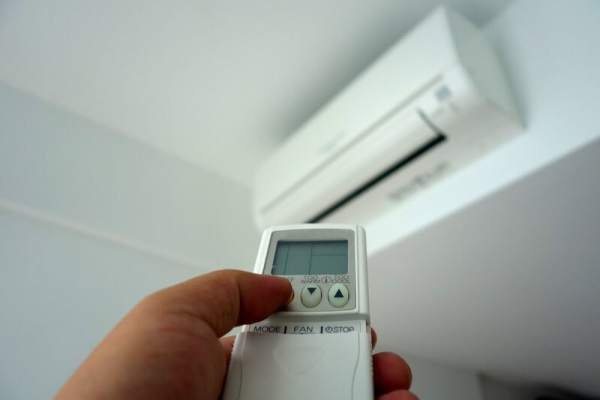
Pakistan has always experienced periods of severe heat, but the escalating crisis of global climate change has made the climate increasingly unbearable. While temperatures across the nation continue to surge, air conditioners remain entirely out of reach for the vast majority of the population.
Pakistan is no stranger to scorching summers, yet temperatures across the country are reaching unprecedented levels, with regions in Southern Pakistan routinely hitting 50°C. Despite contributing less than one per cent of global carbon emissions, Pakistan ranks as the fifth most vulnerable nation to climate change, experiencing heatwaves in recent years that have spiked up to 8°C above historical averages. By the end of 2023, an estimated 1.2 million Pakistanis had been displaced from their homes due to extreme weather events — most of which were directly caused or exacerbated by climate breakdown.
Lethal Humidity and Urban Heat Islands
Part of what makes the heat in Pakistan so dangerous is the compounding effect of relative humidity. Humans rely on sweat evaporation to release body heat, but when ambient air is already saturated with moisture, sweat cannot evaporate quickly enough to cool the body down. Climatologists refer to this phenomenon as “lethal humidity” — or high wet-bulb temperature — where elevated moisture levels significantly lower the threshold at which heat stress becomes life-threatening.
Another major factor driving temperature spikes in metropolitan centers is rapid urbanization. Islamabad has experienced some of the most drastic temperature increases in the country due to the swift expansion of built environment. Between 1990 and 2020, urbanized land cover in Islamabad increased by a staggering 585 per cent, while forest cover plummeted by 10 per cent. The capital’s historical tree canopy once allowed surface temperatures to remain moderate; however, the loss of natural shade combined with heat-retaining concrete and asphalt has turned Islamabad into a severe urban heat island.
The Economics of Cooling: Privilege vs. Survival
Given how hazardous these climate conditions are, why does air conditioning remain so rare? A study by the Pakistan Bureau of Statistics reveals that only eight per cent of Pakistani households own an air conditioning unit. The explanation is overwhelmingly financial.
The official minimum wage in Pakistan sits at 37,000 PKR per month, whereas running a single air conditioner can easily generate a monthly electricity bill exceeding 15,000 PKR. Furthermore, an estimated 35 per cent of the workforce is employed in agriculture and informal sectors, where many workers earn under 30,000 PKR per month. Working-class families are left to endure the brunt of climate breakdown, despite having contributed the least to global emissions.
According to the World Inequality Database, the top ten per cent of earners in Pakistan capture over 40 per cent of total national income, reflecting a massive wealth gap. While affluent households retreat into air-conditioned spaces, agricultural labourers, construction workers, and vendors spend long hours under a blazing sun for minimal compensation. When 22 per cent of the population lives below the poverty line and 26 per cent lacks connection to the electrical grid, acquiring an air conditioner is a structural impossibility unless government-led cooling initiatives are implemented.
From Luxury to Life-Saving Necessity
Access to space cooling was once viewed as a comfort, but in an era of accelerating global warming, it has become an essential means of survival. Global heat-related deaths have risen by 63 per cent since the 1990s, claiming an average of 546,000 lives annually. These figures represent a critical humanitarian issue for national governments and international bodies alike.
As global temperatures approach levels beyond human physiological tolerance, vulnerable populations — including low-income families, agricultural workers, and the unhoused — will continue to bear the greatest risk. In a country where climate change has disrupted millions of lives, basic cooling relief should no longer be treated as an unattainable privilege. Without structural climate mitigation and public cooling infrastructure, extreme heat will continue to claim lives across the nation.