





Water Insecurity
The looming threat presented by countless has been proven right; Pakistan is facing immense water insecurity in 2026. However, the country started experiencing its impacts in 2025. The Indus Basin is Pakistan’s primary water source, because of which it shoulders the burden of supplying water to over 200 million people.
According to research, the Indus Basin receives a large amount of water via glacial meltdown and rainfall. Around 25-32% of glacial water reaches the river Indus, while rainfall contributes to the surplus water received by the Indus and its tributaries. Although on the surface it seems that the river Indus can easily supply water to a massive population, its constraints have told a different tale altogether.
The Chains Gripping the Indus
Pakistan is considered to be among the top 15 water-stressed countries in the world. The macro- and micro-impacts of climate change have ricocheted throughout the country. While it is true that the river Indus and its tributaries have enough water present because there are only 35 countries having a more abundant water supply than Pakistan, shifting weather patterns due to climate change, increasing urban population, and geopolitical rivalry between India and Pakistan have significantly contributed to the water scarcity faced by Pakistan. The 1960 Indus Water Treaty (IWT) supplies Pakistan with 80% of the water; however, India is actively trying to redirect the flow of water by constructing dams and barrages on the Indus and by releasing excessive amounts of water during the monsoon season. Moreover, in 2025, India unsuccessfully tried to suspend the IWT, but the World Bank firmly ruled in Pakistan’s favour.
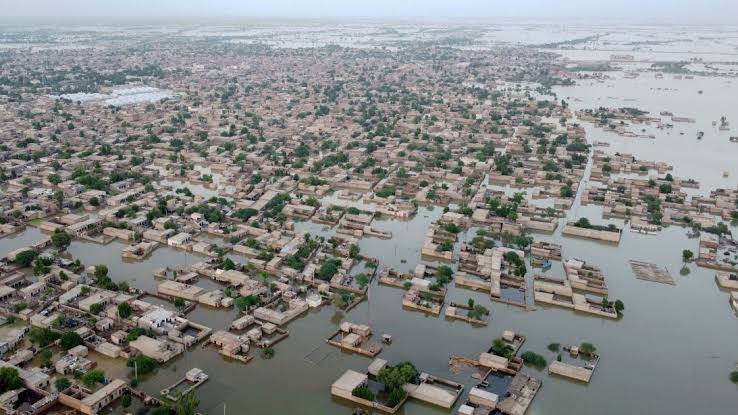
Climate change has played a pertinent role in exacerbating the water crisis. The rise in temperature every year has accelerated the melting of snow and glaciers. Coupled with monsoon rains, the country has been prone to devastating floods, resulting in massive displacement of people. Moreover, the growing urban population and the unequal distribution of water between provinces are other factors plaguing the water supply of the country. Subsequently, the over-extraction of groundwater to cater to the demand of a growing population has led to significant depletion of fresh water.
Impacts and Their Solutions
The above-mentioned problems are nothing new for Pakistan; however, even with the forecasts of water scarcity, Pakistan has not been able to generate and implement a viable mechanism to overcome water scarcity. Although some policies were made, their implementation remains a crucial problem. The feuds of water allocation and insufficient infrastructure for water storage and management are accompanied by insufficient data regarding the use of water in urban centres.
All of these factors combined point to one unresolved root cause: weak governance at all levels. On one hand, Pakistan’s diplomatic posture to India’s illegal suspension of the Indus Water Treaty was commendable; however, the governance institutions within the borders have lacked the same zeal to resolve the water crisis. For years, Pakistan has merely reacted to floods, cloudbursts and acknowledgements of depletion of water. It’s time for Pakistan to completely shift its attitude and focus on developing enforcement mechanisms to construct durable water storage facilities, policies focused on disaster-risk management, net metering of water in metropolises, and equitable distribution of water among the provinces. Furthermore, the government should ensure that water policies and their implementation remain shielded from political instability, as Pakistan quite often faces changes in government.
The rival parties should put aside their differences when it comes to water policies, as a plethora of sectors depend on water, such as agriculture, energy, fisheries, health, etc. Apart from this, Pakistan can follow Singapore’s model of treating wastewater in a way that can be reused to meet the demand of a growing population and to achieve water security. In conclusion, climate change and its exacerbating impacts are inherently ecological; however, strict compliance with enforcement mechanisms and the strong will of government and civil society to adhere to the said mechanisms and policies can solve the country’s water crisis and manage economic repercussions as well because, for Pakistan, the Indus Basin is not only a water resource, but it is also the economic backbone of the country.