




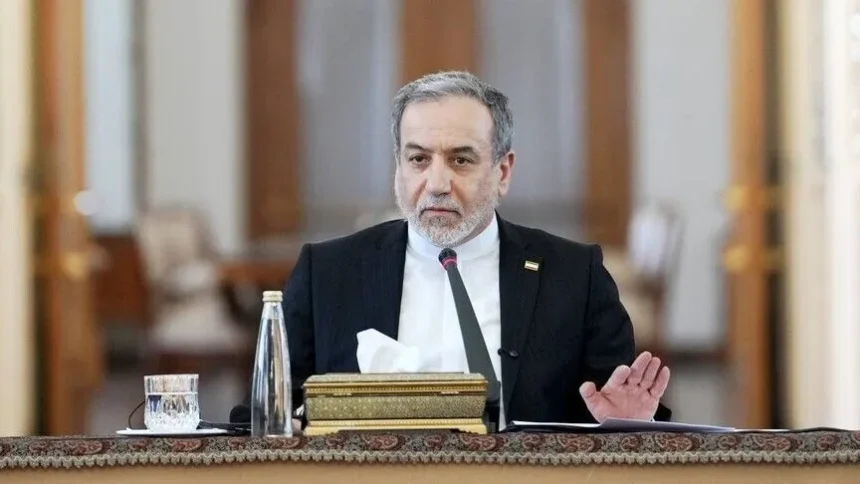
Iranian Foreign Minister Abbas Araghchi has confirmed that Pakistan and Qatar are continuing diplomatic efforts to facilitate negotiations between Tehran and Washington, although significant differences remain over sanctions, maritime restrictions and the reopening of the Strait of Hormuz.
Speaking to Iranian state television on Thursday, Araghchi said mediators from both countries remained actively engaged in exchanging proposals and exploring possible avenues for resolving the continuing confrontation.
He explained that Pakistani and Qatari intermediaries were regularly communicating ideas between Iran and the United States in an attempt to narrow their differences and identify mutually acceptable arrangements.
However, the foreign minister stressed that Tehran’s diplomatic efforts were not confined to negotiations, with the government also prioritising measures to strengthen the Iranian economy against international sanctions and restrictions.
Araghchi said the Foreign Ministry was pursuing different channels to meet the country’s economic requirements and counter efforts to impose what Tehran describes as an economic and maritime blockade.
While acknowledging that new diplomatic proposals were being considered, he maintained that Iran would not compromise on its conditions for reopening the strategically important Strait of Hormuz.
The foreign minister said Tehran was examining ideas that could create fresh diplomatic opportunities but remained committed to securing its demands concerning the waterway.
Iran’s conditions include the removal of what it describes as the US maritime blockade, guarantees for the safe passage of commercial vessels and oil tankers through the Strait of Hormuz, and the lifting of unilateral economic sanctions.
Tehran is also demanding exemptions for Iranian oil exports, the release of frozen Iranian assets, permission to retain nuclear materials within its territory and an end to the war.
The continuing negotiations follow the outbreak of hostilities on February 28, when the United States and Israel launched military operations against Iran.
Tehran subsequently retaliated with attacks targeting Israel and what it identified as American military installations in several Arab countries.
Pakistan played a significant diplomatic role in subsequent efforts to contain the conflict, helping broker a memorandum of understanding between Washington and Tehran on June 18.
However, implementation of the agreement stalled because of disagreements surrounding freedom of navigation through the Strait of Hormuz and the conditions governing the restoration of normal maritime traffic.
Despite the diplomatic arrangement, military confrontations between Iran and the United States have periodically resumed since July, with hostilities also affecting other countries in the region.
The continuing involvement of Pakistan and Qatar reflects efforts to maintain communication between the two adversaries and prevent further escalation.
Nevertheless, Tehran’s insistence on securing sanctions relief, maritime guarantees and an end to hostilities indicates that substantial obstacles remain before the parties can reach a comprehensive agreement.
For now, the diplomatic channels remain open, with both mediating countries continuing to convey proposals as efforts to resolve the conflict proceed.