





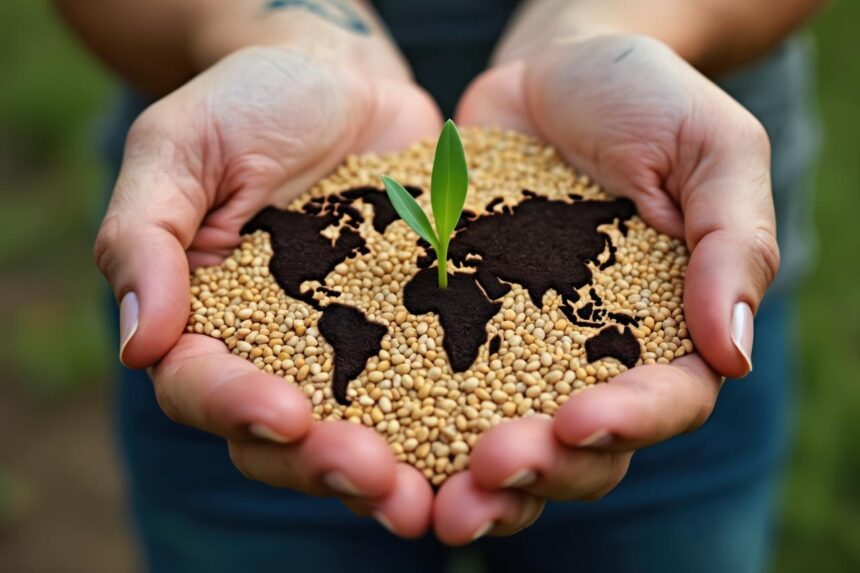
A New Kind of Crisis
A grain silo now stands as the planet’s latest tool of power. Not any kind of rocket or explosive device. This quiet tower holds wheat instead of warheads. Its strength lies underground, in supply chains and storage. Missiles roar. Silos wait.
By 2026, meals shape nations more than missiles ever did. Instead of oil rigs, eyes turn to soil and seeds across borders. Power wears a farmer’s gloves these days. Hunger bends governments where armies failed. Around dinner plates, empires shift without warning.
The Effects of Climate Change on Food
Out here, storms don’t wait; they arrive early. Heatwaves stick around longer than anyone expects. Waves of water swallow villages across Pakistan. Dry earth cracks under the sun in parts of East Africa. In India, then Europe, scorching heat wipes out fields meant for bread. One after another, meals vanish before they reach homes. Harvests shift from steady to shaky worldwide. Nations that shipped grain abroad now search shelves for enough to keep families full.
Out of nowhere, warming skies stirred up more than storms. Power struggles followed close behind.
The War Has Made It Even Worse
Fragile turned out to be the true nature of global food systems when conflict struck between Ukraine and Russia.
Once known as Europe’s breadbasket, Ukraine saw its wheat shipments vanish when conflict began. As fighting broke out, exports dropped sharply. Nations across Africa and the Middle East relied heavily on these grains. Without a steady supply, shelves emptied fast. Costs climbed quickly after that. Hunger spread. Then anger turned into street protests. It served as a warning. Most of the planet paid little attention.
These days, fights across different areas keep messing up how goods move around. What we eat has changed in meaning. Not simply fuel for bodies anymore. Like oil-shaped power before, meals now shape influence too.
The Land Grab Nobody Is Talking About
There’s been a quiet but very insidious trend in the last 5–10 years among rich countries that are purchasing farmland from poor nations, often under the guise of “land grab diplomacy.” Some of these countries include Saudi Arabia (in Sudan/Ethiopia) and China (agriculturally invests across Africa and Latin America), and many of the Gulf States lease land in Pakistan and elsewhere. The objective of these governments is to grow food in other countries and ship it back home.
From the perspective of host countries, the benefits of these agreements may appear very appealing at first glance, including investment, jobs, and infrastructure. However, there is a hidden cost associated with this arrangement as well. Local farmers often lose access to productive farmland, as the water for growing crops is now being diverted to support the needs of foreign agricultural imports. In the event of a crisis, food produced on this land begs to be shipped back to a warehouse in the US or the nation of import, while starving people in the same country eat nothing at all.
Food Protectionism Around the World
As the availability of food decreases, governments all over the world panic and do the only thing that a panicking government will do: They will stop all exports of food. In 2023, we saw India do this with rice exports, Indonesia do this with palm oil, and Argentina do this with beef; all of these decisions were made to protect their local consumers; however, the impact on their global counterparties was devastating.
This is known as food protectionism, and it is spreading across the globe. The reasoning behind this paradigm is very simple and will be difficult for anyone to dispute. The priority of any government should be to make certain that its own citizens are fed. However, as each of these governments attempts to accomplish this very simple task, when combined with the actions of other countries simultaneously attempting to do the same thing, it will lead to an overall failure of the worldwide system of supply of food, resulting in poor nations who do not have enough natural resources to produce adequate levels of food to supply their own populations losing their ability to feed their citizens. Pakistan is one such country that is heavily reliant on imports of wheat, edible oils, and pulses; therefore, any restriction on the global marketplace for any of these products will directly impact the price and availability of these items in Pakistan, most specifically for minorities and lower-class consumers.
The New Face of Conflict
Hunger does not stay silent. The rising costs of bread contributed to the Arab Spring, and food riots have previously ousted governments, and with growing climate stress, the conditions that lead to hunger-induced unrest are rising.
Experts now predict that a new phase of “politics of hunger” will occur. Food could be used as leverage between countries, the same way oil-producing states use oil. Powerful nations will ensure they have food security, while less powerful and poorer countries will come to the table begging for food.
Pakistan Needs to Act Quickly
Punjab’s soil grows plenty, yet fields sit idle too often. Floods hit hard when the rains come heavily, and farms struggle to cope. Poor planning weakens harvests year after year. Weather swings damage crops without warning.
A nation’s ability to grow its own food shapes more than markets; it defines survival. When harvests depend on outside sources, so does safety. Fields upgraded with smart methods do more than yield crops; they build resilience. Relying on distant supplies weakens self-reliance. Growing locally means standing firm when pressures mount. Farms feed nations now. Power grows where grain sways.