





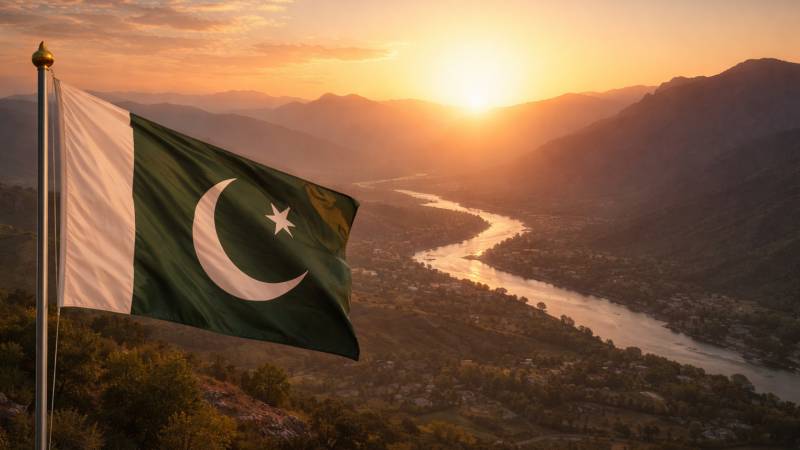
In the world of international politics, “neutrality” is often a luxury that countries can’t afford. When a global crisis hits, the world usually demands you pick a side. But right now, Pakistan is trying to do something much more different and difficult: stay right in the middle.
Geographically and politically, Pakistan sits in a sensitive position, located at the crossroads of the U.S., Israel and Iran. Islamabad is navigating a diplomatic challenge that would overwhelm most world leaders. But this isn’t just about being indecisive. It’s a calculated and measured shift in strategy, a move towards a “mediation-first” foreign policy that values building bridges over joining battle lines.
Look at Pakistan’s phone book, and you will see why this is so complicated. On one hand, they have a longstanding “ironclad” relationship with China. On the other hand, they maintain essential security ties with Washington. They share a long, important but sensitive border with Iran, yet they count Saudi Arabia and the Gulf states as their closest economic and defence partners. Very few countries have to manage such a conflicting network of friends. For any other country, it would be possible to just pick a camp, but for Islamabad, that’s a trap. Leaning too hard towards Washington risks setting their western border with Iran on fire. And open support towards Tehran would alienate the U.S. and the Gulf allies who provide crucial investment, remittances and jobs for millions of Pakistanis.
Pakistan’s strategic balancing act can be seen in how it manages its relationship with Saudi Arabia. They have deep defence ties strengthened by the 2025 Mutual Defence Agreement and have consistently avoided joining any military alliances aimed at Iran. Because Islamabad understands that if Iran destabilises, Pakistan feels the heat immediately. For them, keeping the peace between Tehran and Riyadh isn’t just a diplomatic goal; it’s a survival tactic. This unique position has turned Pakistan into a rare “peace broker.” It’s one of the few places on earth now that can talk to Beijing, Washington, Tehran, and Riyadh all in the same afternoon. We have already seen this play out. Take the recent five-point peace proposal Pakistan and China issued to de-escalate the Iran-Israel-U.S. tensions. It’s a move straight out of the playbook of countries like Qatar or Norway using diplomatic flexibility to pull rivals back from the brink of crisis.
Of course, this path is full of hazards and challenges. One wrong move could anger multiple superpowers at once, and domestic public pressure often pushes for a more “radical” stance. But Pakistan’s mission is to prove that in a world driven by rivalry and hostility, the ability to build a bridge is more valuable and impactful than the power to blow one up.
Power isn’t just about who has the loudest voice or the biggest guns. Often, the most influential players are the ones who keep the phone lines open when everyone else is hanging up and Pakistan is keeping that phone line open.
talk about shame.