





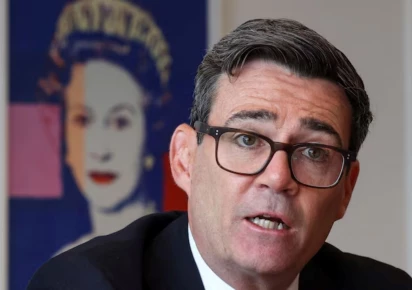
British Prime Minister Andy Burnham has expressed openness to a formal state apology for Britain’s historical involvement in the transatlantic slave trade, while rejecting demands for direct financial reparations.
Writing in The Guardian ahead of next week’s Commonwealth Heads of Government Meeting in Antigua and Barbuda, Burnham said Britain was offering a structured dialogue with countries and communities affected by the slave trade.
“Listening to calls for a formal apology on behalf of the British state will form an important part of this process, and I am open to them,” he wrote.
However, Burnham maintained that contemporary British citizens should not be held financially responsible for injustices committed centuries ago.
“I do not think that British people today can be held liable for historical wrongs, however heinous, that happened in a different age under different laws and in which they played no personal part,” he said.
At least 12.5 million Africans were forcibly transported through the transatlantic slave trade, with Britain responsible for transporting an estimated 3.2 million people, according to historical records.
Caribbean leaders are expected to renew demands for reparatory justice at the Commonwealth summit, including proposals involving debt relief, development financing, education, healthcare and climate resilience.
King Charles, currently touring the Caribbean, has also acknowledged the historical suffering associated with slavery, saying it was “only right that we should acknowledge the great suffering and injustices of the past”.
Burnham additionally proposed renewed efforts to ease the debt burden on vulnerable countries, including longer repayment periods and more favourable interest rates.
The issue of slavery reparations remains a major point of discussion between Britain and several Commonwealth nations seeking recognition and redress for the lasting consequences of colonial-era exploitation.