




Introduction:
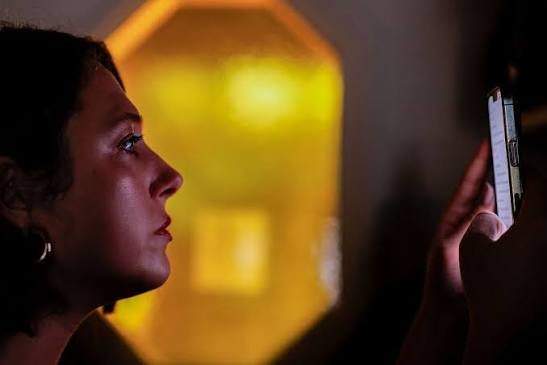
A dystopian thriller. A Black Mirror episode. A horror movie or something straight out of a nightmare. An AI-generated picture of a girl sexualised. While we scroll the news every single day, coming across the way violence is perpetuated against women in countless ways, we rarely ever imagine ourselves in the scenario. Unfortunately, such is the reality for countless women all across the world. Artificial Intelligence for some is a tool worth praising. An assistant, a dedicated helper. While at the same time for a woman in the corner of the world, it is the very tool that destroyed her life. AI generated deepfakes are rapidly destroying the lives of numerous women including the lives of girls living in Pakistan. And the part that makes it even worse is that justice remains out of reach for many women all around the world.
What are deepfakes?
Deepfakes are AI generated videos or photos which mimic a person’s voice and mannerisms to make it seem like someone did something which they really did not [1,2]. Recently, deepfake technology has become increasingly accessible and convincing, which is why the weaponisation of said deepfakes against women and young girls has become popular. According to a 2023 report, deepfake pornography made up 98% of the deepfake vidoes circulating online [1]. In Pakistan, deepfake vidoes weaponised against women often include using the technology to defame female politicians in elections. In November 2024, a deepfake video of Punjab Information Minister Amanda Bukhari started circulating online. Similarly, another deepfake of Maryam Nawaz also emerged online, making it clear that deepfakes not only target women from lower socio-economic backgrounds, but also high-ranking female officials who have played a part in this country’s democracy [3].
How Pakistan deals with deepfake abuse:
Victims of deepfakes should really not worry, or should they? Because even though Pakistan does not have a statute explicitly criminalising the production of deepfakes, victims can still attain justice through existing laws. Such being the Prevention of Electronic Crimes Act (PECA) of 2016, amended in 2025. Section 21 of PECA may apply in scenarios where the deepfake is explicit and non-consensual [4]. Even though this exists, like always, gaps exist too. There is no specific definition of a deepfake, making the law an incomplete puzzle rather than a system. Furthermore, the forensic system involved in verifying the identity of a deepfake is complicated and time consuming.
How this affects victims:
The Pakistani society does not make it easier for the victims of deepfake abuse to live after a traumatic incident. The stigma surrounding deepfake abuse makes way for so-called honour crimes, an already prevalent issue in Pakistan. Fathers disown daughters, husbands divorce wives and brothers stop trusting sisters over a fake video. Victims not only suffer from intense psychological pressure but in most cases, physical abuse as well. And when you have already been failed by the system and your family, where do you run?
References:
- https://www.unwomen.org/en/articles/explainer/when-justice-fails-why-women-cant-get-protection-from-ai-deepfake-abuse
- https://www.unesco.org/en/articles/deepfakes-and-crisis-knowing
- https://www.media-diversity.org/womens-politicians-bearing-the-brunt-of-deepfake/
- https://www.rehmatandjaleellaw.com/post.html?slug=deepfake-law-pakistan