





For many Pakistanis, dengue equals monsoon. Every year, as soon as dengue cases start surfacing, the media and healthcare institutions take a sharp interest in the disease. However, as soon as the weather clears, all that media coverage and emergency ward preparations seem to disappear into thin air.
Such an approach might have worked prior to 2015, when dengue was primarily a post-rain phenomenon. In today’s Pakistan, however, seasonal reactivity is no longer sufficient. To reduce systemic risk, the country must shift from seasonal monsoon awareness campaigns to year-round dengue prevention strategies.
Why Dengue Is Set to Outlive Its Monsoon Season in Pakistan
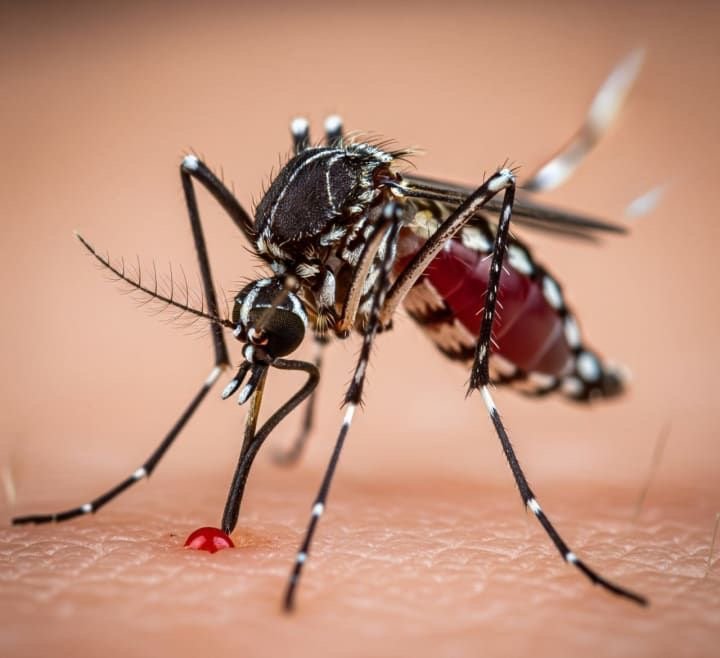
Dengue is a viral infection that is extremely common yet highly dangerous in Pakistan. Aedes mosquitoes act as the vector for this infection, breeding in stagnant water that accumulates in discarded tyres, evaporative coolers, flower vases, unsealed rooftops, and domestic storage containers.
Rains indeed create crucial breeding conditions for dengue vectors. However, shifting temperature patterns can also prove favourable for mosquito survival. A lack of reliable municipal water supply forces residents to store water in unsealed containers, while poorly maintained infrastructure creates stagnant pools that serve as breeding grounds. In addition, rapid urbanisation continues to generate new artificial habitats.
Combined, these forces render dengue outbreaks increasingly unpredictable across Pakistan. Although the annual monsoon cycle will continue, dengue transmission is no longer strictly bound to post-monsoon months. It is not merely the intensity of the annual dengue season that is expanding, but its overall duration.
Why Seasonal Dengue Awareness Will No Longer Be Enough
Many municipalities initiate fumigation and public awareness campaigns only when case numbers begin to peak. While these initiatives are essential, they are inherently reactive.
When a city observes that dengue is spreading out of control, it deploys vector control teams to eliminate breeding sites. By then, however, the response is belated, as sprays primarily target adult mosquitoes without eradicating established larvae. Chemical fogging offers a temporary and sub-optimal solution.
Seasonal preventive measures remain necessary, but they must be reinforced by sustained, systematic municipal planning designed to prevent vector breeding throughout the entire year.
The Pressure on Pakistan’s Hospitals and Families
Dengue remains a formidable public health threat due to its recurring presence across urban and rural Pakistan. Severe outbreaks frequently place immense pressure on hospital capacity, leaving families struggling to cope with sudden bereavements or crippling medical expenses.
It is vital that at the first indication of symptoms, patients receive timely diagnostic testing and supportive medical care. Furthermore, patients must access emergency care immediately if clinical warning signs manifest — including severe abdominal pain, persistent vomiting, mucosal bleeding, coughing up blood, respiratory distress, or extreme lethargy.
Public health communications in Pakistan must place as much emphasis on symptom recognition and early detection as they do on vector control.
Building Year-Round Prevention and Municipal Strategy
Pakistan requires a structural strategy to combat vector-borne diseases. Local authorities must maintain continuous epidemiological surveillance, initiating rapid containment protocols as soon as suspected cases are reported. Municipal services must actively monitor water storage infrastructure, sanitation drains, and construction sites to eliminate stagnant water pockets.
Simultaneously, healthcare facilities must establish year-round crisis management protocols rather than emergency seasonal setups. Finally, residents must contribute by securing water storage containers and inspecting their immediate surroundings for breeding vectors.
Beyond the Monsoon Season
If dengue in Pakistan is to be effectively controlled, it can no longer be treated as an exclusively seasonal crisis. Public health authorities cannot afford to limit intervention to post-monsoon spikes.
Instead, institutional preparedness at the federal and provincial levels — combined with sustained public education at the community level — must ensure year-round vigilance and rapid emergency response capabilities whenever localized outbreaks occur.