





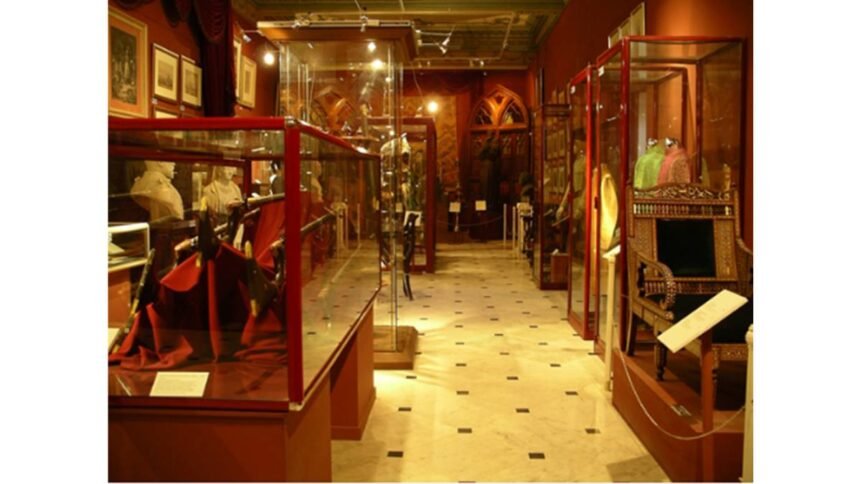
Museums are places where artefacts, illustrations, and other forms of exhibitions are displayed for educational purposes. People visit these institutions for leisure, engaging in cultural tourism.
Museums keep artefacts safe for learning. In this educational process, an active exchange of information occurs: tourists tour these galleries alongside curators or art experts who guide them, helping them view, admire, and reflect upon these historical items. Curators and art experts provide detailed explanations when questions are raised by visitors, giving answers regarding what the artefacts represent and creating space for dialogue and learning.
Furthermore, when visiting museums, visitors bring smartphones to record videos of the galleries and the items within them. People take photographs in fine attire to preserve pleasant memories. Tourists also utilise social media handles to convey information to the public, sharing images and videos to express how their day unfolded.
Museums preserve objects of history and historical information to educate present generations on the past. These institutions employ art experts qualified in handling museum affairs, possessing the strong communication and educational skills required for the smooth running of a museum.
These expert skills assist museum coordinators in carrying out their duties for diverse audiences — including students, general tourists, and researchers. Interactive exhibitions and educational programs are organised alongside digital archives containing pictures and videos for future reference.
Audience Adaptation in Pakistani Museums
Pakistan’s museums adapt to different audiences based on three main pillars: language, technology, and relevance. The primary audiences include school students, the general public, researchers, local communities, and international tourists.
* School Students (Educational Focus):
* Technology & Mediums: Exhibition of fossils, educational materials, and textbooks.
* Storytelling: Displays featuring contextualized historical figures (such as local representations of Gandhara Buddha art).
* Key Institutions: Lahore Museum, Islamabad Museum.
* General Public (Interactive Engagement):
* Language: Bilingual exhibitions, specifically in Urdu and English.
* Exhibits: Live craft demonstrations, folk music, and regional cuisine.
* Key Institution: Lok Virsa, Islamabad.
* Researchers & Scholars:
* Technology & Archives: Digital archives, historical manuscripts, and preserved documents.
* Key Institutions: National Museum, Karachi; Lahore Museum.
Adapting to Modern Generations
Because museums display historical works from bygone eras, qualified art experts are hired to engage visitors effectively. Over time, museum engagement strategies are altered to align with the habits of contemporary generations.
Specifically in Pakistan, concrete initiatives have been introduced to ensure museums remain relevant:
* Climate & Contemporary Relevance: Connecting the Mohenjo-daro Museum to discussions surrounding the Indus River and contemporary flood crises.
* Digital Outreach: Utilizing Instagram and TikTok reels to highlight “One Artefact in 60 Seconds” from the Lahore Museum collection.
All these efforts combined promote active learning, helping build an informed and culturally engaged society.