





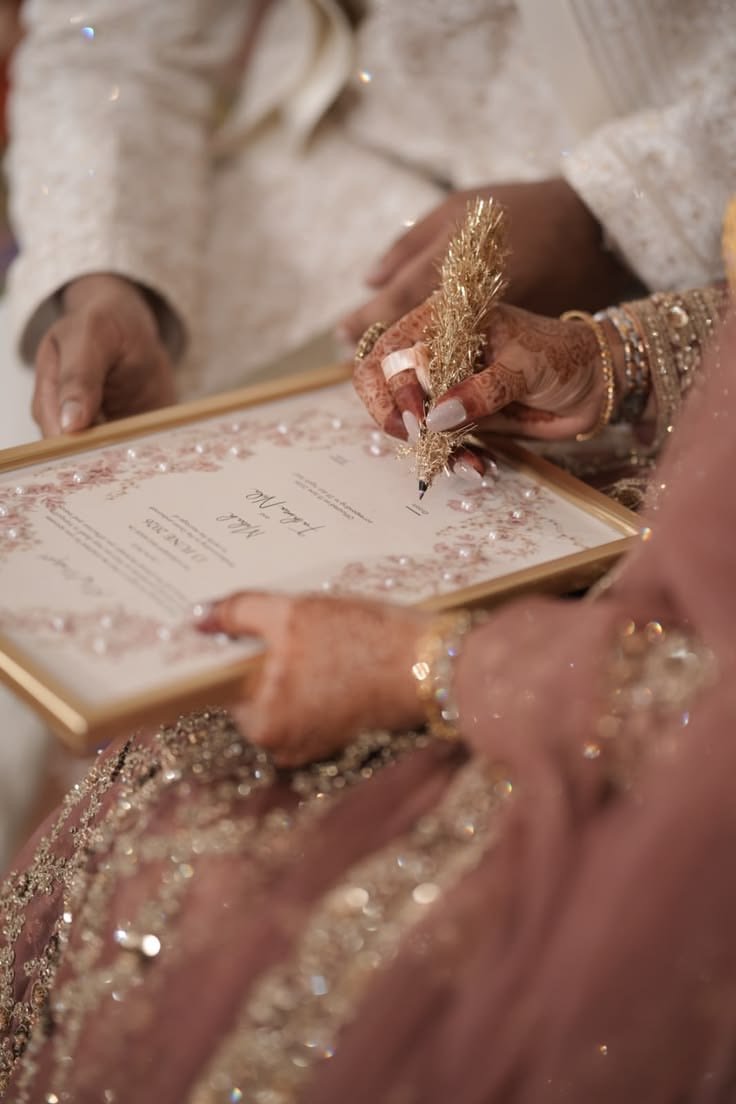
Is unmarried youth past a certain age a problem to be solved? Does it apply to both genders? Is this a serious matter of concern and social commentary in our society? These questions trouble our minds when we see a youth pass a certain age for marriage — an age demarcated by society. The phrase “marriages are made in heaven and celebrated on earth” is usually seen as a main heading on many wedding invitation cards. This is not just a simple phrase.
The Matchmaking Struggle
It is an absolute truth that couples are chosen by God Almighty, but the struggle that the bride’s and groom’s families go through for months and years on this very earth while making a perfect match is worth explaining. This struggle is not only about choosing the best individuals to tie the knot with in marriage, but also about choosing the best family available — be it in terms of their status, social standing, education, or, in fact, the best of everything one can achieve. This struggle takes the utmost time and energy of many people in the family involved in the process.
Added to that, if a young person passes a certain age that society approves for marriage, then it really becomes a hard problem to solve. In our society, it is not merely a myth that a person — especially a female — past a certain age of marriage will not get a good choice when selecting a spouse; in fact, it is a reality. Being late, they will not have much choice left. So, the marriage deadline is almost always taken into account.
The Costs of Cultural Compulsion
The cultural compulsion of early marriage, alongside family and peer pressure, especially for women, has caused serious issues through centuries: careers not pursued, education cut short, no genuine choice in choosing a partner, and developing a relationship under compulsion. This marriage deadline costs a lot individually. Marriage is considered a social bond between two individuals that is both legally and socially recognised. It represents a social development between two families in Pakistan.
Many families think of this bond as a shield for women. But now, a line is drawn between this cultural compulsion of marriage at an early age and the rights women are fighting for. Due to strong awareness among Gen Z, there is a certain relaxation of the age limit for both genders. Now, choices, careers, higher professional education, and not being kept under compulsion are all highlighted, and these things really matter.
Autonomy versus Societal Expectations
Women want to get married, but not in the traditional sense. They want to be economically strong and independent before marriage. When choosing a partner, they prefer a loyal, caring, financially stable man who respects women’s work routines. This autonomy over their lives is valued in certain social circles but is lacking in other sectors of society. After establishing their careers, these women desire to settle down. They want a partner for emotional support, but fear that marriage might snatch their independence. Yet, no matter what their accomplishments, the ultimate goal for a woman in our society is still seen as attaining a good match and settling down. In this male-dominated society, marriage is viewed as an accomplishment and success for females. Living alone is still perceived as unacceptable in our society.
Changing Trends and Lasting Realities
To conclude, while the tradition of early marriage remains deeply entrenched in rural areas, rapid urbanisation and globalisation are causing shifts.
Marriage is a necessity, but for females, education, careers, and independence really matter now, and for men, financial stability is a must. Therefore, the marriage age limit has been raised for both genders. Still, marriage remains a cultural compulsion, and to get married and settle down is regarded as a necessity and an essential accomplishment.