




Pakistan possesses one of the youngest populations in the world, with approximately 64% of its citizens under the age of 30. However, merely housing a young population is not enough; to convert this demographic reality into a true demographic dividend, sustained investment in the nation’s youth is essential. As the future leaders of the country, young people must be provided with meaningful opportunities across all sectors so they can make their mark on the global stage. Yet, alongside these immense opportunities lie severe structural challenges.
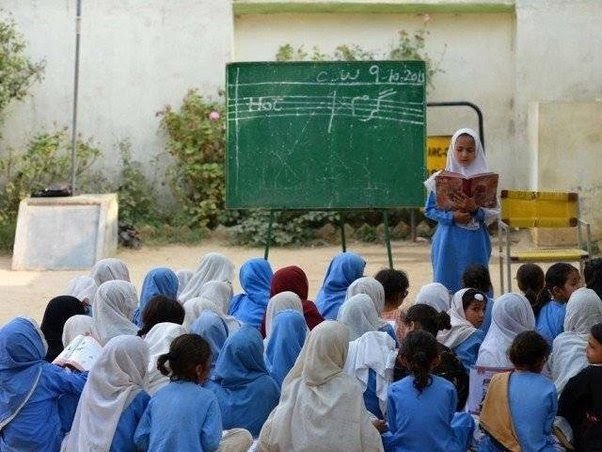
Access to proper education is an indispensable prerequisite for progress. While Pakistan is home to numerous public and private institutions offering quality instruction, the reality is defined by profound educational inequality. Elite private schools like Beaconhouse or Lahore Grammar School (LGS) cater predominantly to the wealthy, leaving children from lower-income families dependent on under-resourced government schools with lagging curricula. Even when hard-working students from humble backgrounds reach colleges and universities, they frequently find themselves disadvantaged compared to peers coming from English-medium private institutions.
Compounding this crisis, millions of families facing extreme poverty cannot afford schooling at all, pushing children into forced labour. According to UNICEF, 25.1 million Pakistani children aged 5 to 16 are currently out of school, giving Pakistan the second-highest out-of-school population globally. This alarming statistic stands in direct contrast to Article 25A of the Constitution of the Islamic Republic of Pakistan, which guarantees free and compulsory education for all children between the ages of 5 and 16. While the right exists on paper, it remains unfulfilled in practice. To bridge this gap, the state must implement inclusive educational policies and enforce a uniform national curriculum across the country.
Beyond the classroom, employment remains a daunting hurdle. Recent degree holders struggle to find sustainable, well-paying jobs, driven by a shortage of economic opportunities, the neglect of merit, and a pervasive culture of favouritism (sifarish). These systemic issues force a significant portion of the country’s educated youth to seek livelihoods abroad, fuelling a severe brain drain.
Despite these barriers, Pakistan’s youth remains remarkably talented and continues to bring international honour to the nation. Icons like Arfa Karim, who became the world’s youngest Microsoft Certified Professional at age nine, and Ahsan Ramzan, who won the IBSF Snooker Championship at sixteen, demonstrate this immense potential.
Today, however, young people are forced to expend their energy demanding basic rights. In an increasingly digital era, frequent internet disruptions cripple the growing digital economy and restrict freedom of expression. The youth require creative freedom, institutional space, and proper societal representation to nurture their capabilities and project a positive image of the country to the world. If given confidence and support, today’s youth will seamlessly transition into tomorrow’s leaders. Youth is the primary asset of Pakistan, but without proper management and structural reform, this valuable demographic asset risks becoming a burden.