





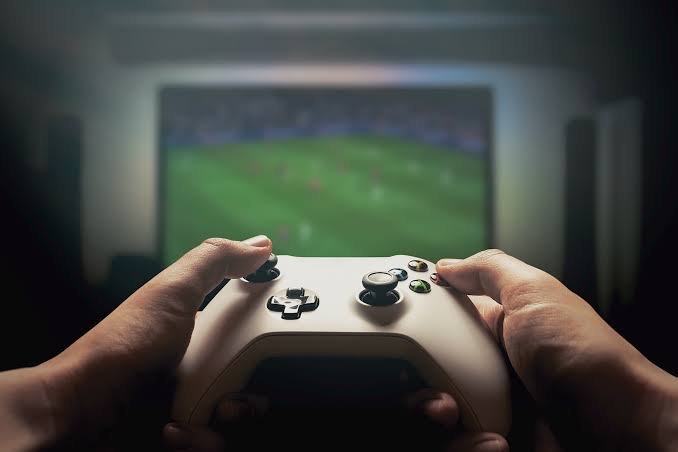
For many people around the world, especially today’s youth, gaming is more than just simply sitting in front of a screen and pressing buttons. It is a social space where people get to meet other people from across the globe, make friends, develop various skills, and compete to their full potential. From teenagers going home after school and hopping online for a game to gamers actively streaming their gameplay online, gaming has created a diverse community of people who are connected by one shared interest. However, despite its growing popularity, gaming is mostly dismissed as something meaningless and a waste of time by the older generation and mostly parents. Concerns about excessive gaming are valid, but it would be unfair to assume that gaming itself has no value.
Competition, Strategy, and Resilience
One of the most important aspects of gaming is competition. Multiplayer games like Call of Duty encourage people to think strategically. They need to react quickly and compete against other players in order to secure a win. A player communicates with his own teammates, develops a strategy with them, and if that strategy fails, they adapt to a different one. This teaches people patience and persistence. When players lose a match, it can be frustrating, but it also gives them an opportunity to recognise that mistake and improve themselves. Losing a game also teaches them important real-life lessons — like no matter how hard you try or how amazing your ideas are, sometimes they just fail. It is still important that you don’t give up, but improve yourself and put in more effort until you become a better version of yourself — or, in this case specifically, you become a better player.
Digital Communities and Lifelong Friendships
Gaming also gives you friendships that last a lifetime. It provides a sense of belonging, especially for young people who may find it difficult to connect with others in everyday life and find people who share similar interests as them. Even when the physical distance among these friends is a lot, these online games allow people to communicate and spend time with their long-distance friends. A Pakistani teenager who is playing with his classmates or friends from either another city or a country is not necessarily isolated just because the interaction is happening online. For many young gamers, the digital spaces feel like actual communities.
Esports, Streaming, and Career Opportunities
Moreover, the gaming world today has expanded far beyond just playing games and having fun. Streaming and esports have created opportunities for people to turn gaming — something that they are passionate about — into a competitive activity or a full-time job. Pakistani gamers can now share their gameplay, entertain audiences, and develop online communities, all while learning skills like content creation. Esports similarly encourage teamwork and discipline. It is true that not every player can become a professional gamer or a streamer, but the existence of these opportunities shows that gaming can be connected to skills and has an actual career that, for most of the previous generations, did not really exist.
Addressing the Risks: Balance and Moderation
On the other hand, it is also very important not to ignore the concerns surrounding gaming. Gaming addiction and excessive screen time are very real issues. Spending so much time gaming that your other responsibilities — like studying, sleep, and physical activities — are neglected can be very harmful. A person can truly enjoy gaming while also recognising that there needs to be a proper limit. The problem is not gaming over here, but how a person ‘games’.
Bridging the Generational Divide
The conflict arises when families see a teenager spending hours glued to their phones or controllers and immediately start to think that the child is wasting their life and putting their future at risk. Meanwhile, the teenager believes that their parents don’t understand something that is so meaningful and important to them. The difference in their perspectives can cause arguments and mistrust. Instead of automatically dismissing gaming as useless, families should have more open conversations about how it shapes their children’s lives and how much time they spend playing.
Ultimately, gaming is neither completely good nor completely bad. Like every other form of entertainment, its effects depend on how it is used. For young people in Pakistan, digital spaces are increasingly part of everyday life, so rather than viewing gaming as a waste of time, we should focus on fostering a healthy gaming environment. Recognising the value of gaming will not mean that we are ignoring its risks. It just means we understand that behind every screen is a person who is learning, competing, creating, and, most importantly, finding a place where they truly belong.