





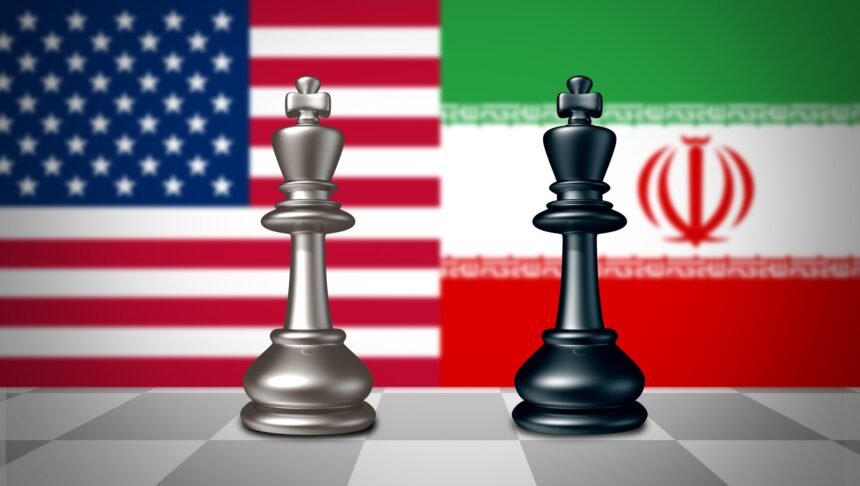
WASHINGTON/TEHRAN: Iran is facing mounting economic pressure as tighter US measures choke off oil revenues and restrict access to international financial networks, leaving Tehran with fewer avenues to obtain foreign currency and essential imports as its conflict with Washington intensifies.
Iran has developed extensive mechanisms to circumvent sanctions over several decades, but the latest US measures have placed those networks under substantially greater strain, according to sources familiar with the situation.
Of particular concern for Tehran are US efforts to prevent Iran from accessing financial channels in third countries that it has traditionally relied upon to keep trade and payments moving despite international restrictions. The loss of those networks could significantly reduce the government’s ability to obtain foreign currency and finance imports.
Washington is also maintaining a blockade on Iranian oil exports, effectively cutting Tehran off from its principal source of foreign revenue. At the same time, increased energy shipments are reaching international markets through the Strait of Hormuz, despite continued Iranian attempts to disrupt traffic through the strategic waterway.
The economic pressure comes as the conflict has returned to open fighting this week. US attacks on targets along Iran’s Gulf coast have been followed by Iranian strikes against American military bases in Arab countries.
Neither Washington nor Tehran has so far indicated that it is prepared to accept the other side’s principal demands, leaving the conflict in an expensive military and diplomatic stalemate. US officials will be watching closely for indications that the economic campaign is beginning to alter Tehran’s calculations.
Iran, however, has warned that intensifying economic pressure could instead provoke further military escalation, raising the risk that attempts to force concessions through financial and trade restrictions could broaden the conflict. The latest measures are hitting an Iranian economy that was already under severe strain before the war.
The country had been grappling with a sharply depreciating currency and high inflation, while months of military strikes have inflicted extensive damage on industrial facilities and infrastructure.
Reconstruction costs are now adding to the financial burden at a time when Tehran’s ability to generate foreign exchange has been severely curtailed. The combination of lost oil income, restrictions on overseas financial networks and mounting reconstruction costs could therefore become an increasingly important factor in the course of the war, particularly if Iran is unable to restore the sanctions-bypassing channels that have helped sustain its economy during previous periods of international pressure.