





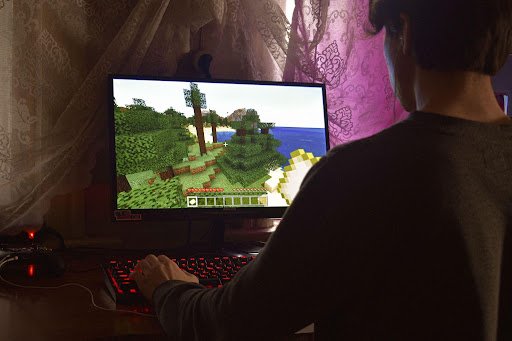
Even before it became a metric for parents to worry about, ‘screen time’ was the space where young Pakistanis were crafting their teams, friendships and second lives. It’s time to take it seriously, rather than merely timing it.
If you ask a nineteen-year-old what server he’s on, you’ll get an answer that will have more social architecture than most neighbourhoods have. He has a ranked team he plays with a lot of the time: three in Lahore, one in Islamabad, and one he has never met who lives outside Manila. He only ever speaks in English because the voice chat makes him look silly. There’s the Discord where the actual friendship exists, memes, 2 am voice notes and a pinned message that someone got good marks on their exam. There’s an economy of skins and ranks and reputations, and it has meaning for the people inside it, if not for the uncle at the dinner table who wonders why he still has to sit up.
The only story that anyone ever wanted to tell about young people and gaming was the addiction story: grades slide down, eyes get red, a kid who won’t come down for dinner. That’s not a made-up tale; that’s a story. However, it’s not all it claims to be, and if you think it’s all it claims to be, you’re missing the point as well, because it is one of the few places where young Pakistanis can create community on their own terms, rather than through class, neighbourhood or family name.
That’s no small matter in a nation where they’re from and who they know can help determine much about who they end up befriending. Before playing a game with anyone on a Discord server, no one asks which school you went to. Whether you can be a laneholder, whether you get up to scrims on time, whether you’re someone who people would want to play again next week – the things that really matter. It’s a meritocracy of good faith and shared hours – nothing can be said for most of the institutions they’ll have to interact with as adults.
The moral-panic version of the story ignores the real and structural barriers that stand in the way. Equipment costs are high relative to household incomes, and the power supply has played a significant role in how the country’s players train; players say they have even had to wait outside gaming cafes for power to be restored so they can continue their sessions. Pakistan also gave us Arslan Ash, a world-famous Tekken player who has clinched two world titles and is one of the most recognised names in competitive fighting games worldwide, and it wasn’t talent that was the limit; it was infrastructure. University-level esports is just beginning to take off, in part because there is no institutional support for the types of esports leagues that are found in other countries; and in part because those players who do compete internationally are putting together teams across the campuses themselves, or relying on community fundraisers to pay their way to a tournament.
All that aside, what these spaces are built on deserves more credit than it receives. Children learn the mechanics, economics, and the art of dealing in an in-game economy long before they do in the real world with a cash-based economy. They are being trained to be responsible for a team of five people in a stressful situation, which is not much different from what they expect to do in the workplace at some point. And for lots of young people living under real-world pressure, a headset and a secure Discord call are the one place in the day where no one is pushing them to do something, that’s fine – where the pressure of the house doesn’t quite reach.
None of this is an excuse to replace the addiction narrative with the one about the pure goodness of gaming. Balance falls into the category of matters, and so does the understanding of when a screen is an escape versus a space. It’s a shame the world doesn’t have a better story about a generation who have created friendships, real skills and international recognition from a hobby their elders still largely scoff at. They were not just chance visitors to these communities. They created them, since few other locations had them available for free.