





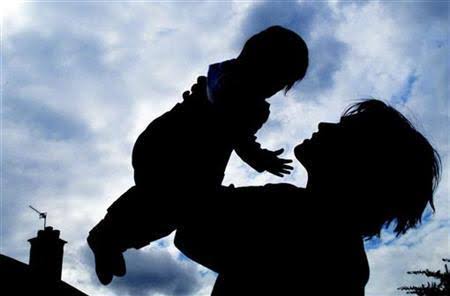
From adolescence, girls in Pakistan are socialised to believe that they will one day become mothers. From playing ‘house’ with baby dolls to babysitting younger siblings, many Pakistani women will recall having assumed motherly roles throughout childhood.
Girls are taught to change nappies and prepare bottles as soon as a younger sibling is born, and as they grow older, they begin taking care of children in place of their mothers. Feeding, bathing, cooking, and even cleaning up after the children — these responsibilities all become expected of young girls within the family.
For some girls, this early introduction to childcare fosters a dream of motherhood, whilst for others it does the exact opposite. In a collectivist society like Pakistan, young girls are almost always more involved in taking care of children than their fathers are; thus, many girls start to oppose the idea of motherhood well before marriage.
Due to the forced parentification of girls in Pakistan, many harbour feelings of resentment — both towards the society that expects it and towards the fathers whose lack of involvement forced them to step up. When one’s childhood and teenage years are spent caring for children one did not give birth to, it is only natural to want to break free from such responsibilities in adulthood.
This societal expectation of motherhood is not only harmful to women who wish to remain child-free; it is harmful to every woman in the country. A reported 22% of Pakistan’s population faces issues with infertility, yet this figure could very well be higher when accounting for the stigma surrounding male infertility.
In a 2020 study conducted in Karachi, half of the participants did not believe that women and men contribute in equal proportions to infertility, nor were they aware that smoking decreases male fertility.
A study conducted in Andhra Pradesh in India reported that 70% of women who were unable to conceive were subjected to physical abuse by their spouses. A separate study conducted in Karachi reported that two-thirds of women unable to have a live birth or give birth to a son faced marital conflicts, with 20% being met with divorce and 26% being forced out of their homes and sent back to their parents’ houses.
When society expects children from every woman, a sense of entitlement towards women’s bodies arises among men. Men spend their entire lives under the impression that they will miraculously obtain a wife who can bear as many sons as they desire, and when those demands are not met, they vent their anger on their wives.
Whilst the female literacy rate in Pakistan still lags far behind the male literacy rate, it is increasing steadily, allowing more women to enter the workforce and pursue their own careers. Women with their own incomes are less likely to yield to societal pressures regarding marriage and motherhood, which enables them to choose the path of motherhood on their own terms.
The freedom to choose whether to have children, when to have them, and how many to have is a privilege that millions of women in Pakistan can only dream of.
Pakistani society treats sons with far greater importance than daughters, with the ultimate goal for many families being to have a son. Most large families in the country display a pattern of successive daughters ending with a boy, as society treats families without a son as though they were cursed.
To dismantle the expectations imposed on women by society, education must be prioritised for both men and women. The gap between female and male literacy rates should be closed to empower women to make their own decisions regarding their bodies.
Reproductive health education should be made accessible across rural and urban areas alike, ensuring that the blame for infertility does not fall solely on women. Only when society’s entitlement to women’s reproductive capacities ends will Pakistan progress as a nation.