





Introduction
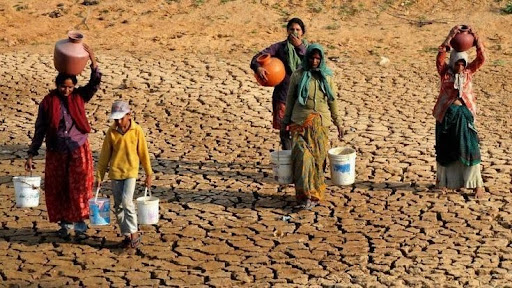
Pakistan is already experiencing water scarcity. It is ranked as the fourteenth most water-stressed country among the seventeen nations facing the world’s highest water risk, a list that includes hot, arid states such as Saudi Arabia. Over 80% of Pakistan’s total population experiences severe water scarcity for at least one month each year. Additionally, Pakistan’s groundwater resources are being overused. As groundwater is the country’s backup water source, overconsuming it can lead to serious shortages. As Pakistan is the lower riparian country to India and 78% of its water inflows come from there, it is highly dependent on India for its water supply. Moreover, Pakistan uses only about two-thirds of its available water. The remaining one-third is wasted due to poor water management and leakage. Various human causes contribute to this recurring dilemma. In what follows, I will elaborate on its political, social, and economic consequences, along with the proposed solutions.
Causes
Pakistan’s water crisis is explained by population growth, urbanization, climate change, poor water management, and weak infrastructure. The rise in population and urban expansion are the leading reasons. This is resulting in increased internal tensions between provinces. Today, Pakistan is ranked fifth among the world’s most populous countries. The state’s water consumption increased by about 0.7% per year between 1977 and 2017, while water resources remained unchanged. This resulted in a decrease in per capita water availability. If water efficiency remains unchanged, the water withdrawal-to-water-resources ratio may increase sharply. If effective water management and conservation measures are not implemented, the country’s growing population and changing climate will intensify water scarcity in the coming decades.
Water pollution is a major cause of Pakistan’s water crisis. A large amount of human waste contaminates rivers and groundwater. Due to this, millions of people are provided with unsafe water for drinking, which leads to diseases such as diarrhea, polio, dengue, and hepatitis. These diseases cause thousands of deaths every year, especially among young children, and affect the healthcare system and the economy.
Solutions
Pakistan’s political leaders should take this issue seriously. They should work on it rather than blame previous governments or India. Pakistan has water policies, but many are not properly implemented. The government should improve the system, repair old canals and pipelines, and tell people why saving water is important. If the policies are implemented properly, the water situation can become better.
Pakistan can also recycle wastewater. Some countries, such as Singapore, are already doing this. Recycled water can be used for farming, so less fresh water will be needed. Agriculture uses most of Pakistan’s water. Farmers should use drip irrigation instead of flooding the fields. They can also grow crops that need less water. This can help reduce water waste.
Conclusion
In conclusion, Pakistan is highly at risk of a severe water crisis in the coming years. If adequate measures are not taken and government policies are not implemented, then the coming years for the state and its future generations will be very costly. It can destroy a country’s economy and worsen political and social conditions.
Save water, save the future.