





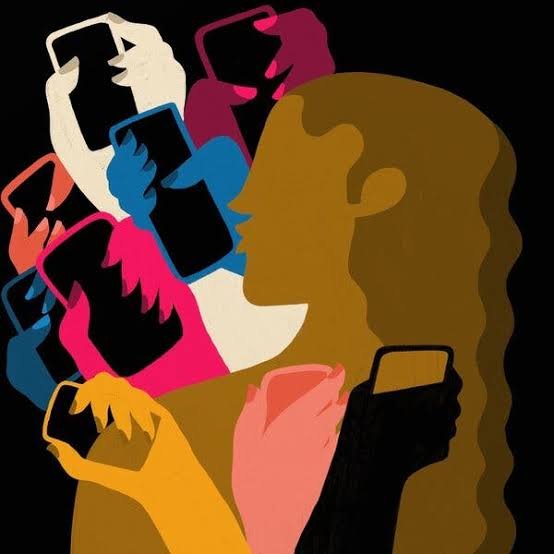
If you ask people how they found out about the latest big news story or political event, chances are you will get one of these answers: they read it while scrolling through Instagram, a forwarded WhatsApp message, someone shared a tweet, they saw a reposted Facebook post, or someone jokingly broke the news over a cup of tea. This is not a small shift, but a drastic change in how we encounter news.
The scroll has replaced the bulletin
For decades, the news culture in Pakistan was based on fixed appointments, such as the evening bulletin, the morning newspaper, and the 9 pm talk show, which everyone in a typical household, especially the elderly, waited for. However, this structure is being replaced by technological advances and the emergence of social media among young viewers. Research has found that Pakistani university students regularly use social media platforms for news updates, even when watching television. Another study in Lahore reported that, rather than for entertainment, social media is primarily used to keep up with world news and has become an information channel, whether verified or not.
This shift in focus is somewhat understandable, given that phones are always within reach and a quick scroll can provide all the information you might be looking for. However, it is amusing how a 30-second clip can explain a fiscal budget or a court ruling. It spares the audience the 9 pm news bulletin, the early-morning newspaper, and the need to sit through segments of news talk shows you don’t care about.
Trust, but make it complicated
The youth prefer quick access, but there’s a twist. Young people get all their news from social platforms, but that doesn’t mean they trust scrolling more than what’s on TV. In fact, they may well be verifying it against the traditional 9 pm bulletin. Moreover, research shows that trust in social media content is comparatively lower than trust in established news organisations, even among those who rely on the former completely. Social media has become more of a convenience than a source of information.
The gap between digital access and digital literacy is not closing, but is creating real risk. We are living in an era of misinformation, with unverified posts and forwarded messages, and now the misuse of artificial intelligence as well. A meme, a tampered screenshot or a trending false rumour from any content creator can spread faster and further without verification or correction.
Enter the personality
The 2026 Reuters Institute Digital News Report revealed something interesting: a survey found that almost half of people get their news from content creators they follow on Instagram, while a quarter follow people whose niche is specifically delivering or reporting. Those with higher education are now shifting from talk shows to podcasts. This suggests that people are no longer following the news, but rather someone who conveys it, and have built trust in that person. The issue is evidently similar in Pakistan, even without a Reuters database.
So who’s to blame?
Is journalism becoming too boring for young people, or is the audience no longer interested in sitting in front of the TV for hours watching talk shows? The honest answer would probably be both. Young people did not wake up one day and decide to stop watching news channels or reading newspapers; they migrated to information that was not only quick to access, but also presented in a relatable way, whether through a funny clip or meme. Traditional outlets did not evolve beyond the same old patterns, formats, pacing and timings, failing to realise that their audience was slowly disappearing.
To win that audience back, it is not enough to chase catchy trends; it must be delivered in ways that people actually use: short, authentic and human. Otherwise, there will be no audience waiting for the news bulletin.