

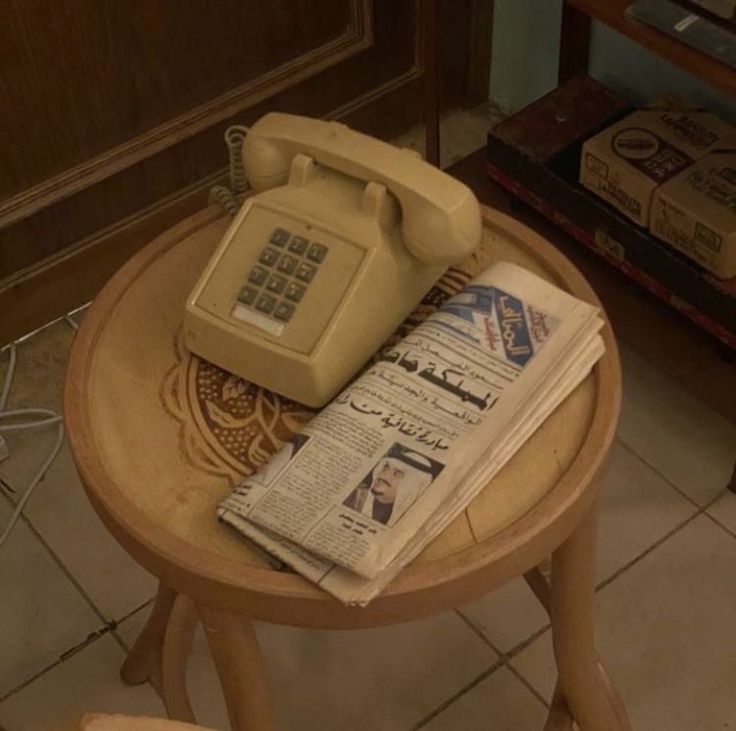



There is a narrator to the same, too, who is more whispering than telling, hiding than revealing, and editing than we like to admit. History, with all its power, is a false historian, and the closer you are to the perspective, the more you begin to believe that something is wrong: the history that you have experienced may not be the history that took place.
Reading an old document, you find that ten pages are missing, that the rest have been blotted up, and that a few are written (some centuries later). This is what has befallen our collective memory. Civilisations have crumbled away without record, generals have made their own successes — sometimes before the battle was fought at all — and entire peoples have vanished, leaving no mark of their existence but, as related by some other individual. It has a hint of the suspense of a mystery playing up and down the edges of time: what was saved on one side, and what on the other?
The discrepancy starts with the point of view. And all the historians, all the witnesses, all those who write chronicles, talk out of a certain window. You cannot say what fire you are in when you are lying in another room of the house, being set on fire. History is much the same. Empires were also known to conquer and not to massacre. The diaries made by explorers were called discovery and not intrusion. Even the so-called glorified eyewitness version is subject to the influence of fear, memory, pride or the necessity to survive. Thousands of voices may have been there at the same event, but only the voice of one may be repeated in written history.
And here is the fine suspense: what if the truth is still a concealed thing, out of your reach?
All one has to do is consider the lost Library of Alexandria, which is an uncertain tragedy. It is unknown how it was ignited, who made the first spark or what was lost in the smoke, but it is as though history dropped a few hints on purpose, and the reader will always conjecture.
The best twist, however, is that the person who narrates is not an evil person but a flawed individual. The bending of memory, the challenges of translation, the intrusion of power, and the creation of the story each time it is told are all present. What is initiated in trying to hold on to the truth becomes a spiral of will and chance. What comes out is a more or less, but not entirely, accurate version of the past.
Yet we keep reading. We remain in the footnotes of abandoned time because the untrustworthy narrator engages in actions that should not occur — it seduces us to come closer. It turns the reader into the detective. Each silence is a conundrum. All these missing narratives are portals into fantasy.
But perhaps, it is the ghostly, weird loveliness of all. History is a lie, but this fear makes it life-giving and compels us to believe we know. For as long as the past remains a partially revealed mystery, we will persistently flip through its pages, seeking the truth that lies just beyond the next page.