





Something is Shifting
If you walk into any of the underground music gigs happening today in Lahore or Karachi, there’s a good chance you will hear unexpected sounds within. A distorted electric guitar may play, followed by the reciting or singing of a poem by the Sufi poet Bulleh Shah.
This is not happening accidentally; there’s a movement going on. The youth of Pakistan are starting to rediscover their cultural roots, those roots found in Sufi music and shrine culture, not because someone has told them to discover it, but because they are utterly and completely burnt out, and the words of Sufi poets have meaning for them in ways they cannot articulate.
The Burnout is Real
The youth of today (Generation Z) are the first generation to grow up with a handheld device at their fingertips. They have constant notifications and social media expectations, and the only thing that they have to look forward to is a career that may or may not exist for them after they graduate. They have been inundated with the news of floods, inflation, and government officials who have totally lost their minds.
The result? A silent but very real emotional crisis. Therapists report that in the major cities of Pakistan, young people are suffering from anxiety and depression at levels never seen before. Many of these individuals feel disconnected from religion, their families, and especially from themselves. Traditional mosque culture often feels stale, while Western-style self-help makes them feel like they are worthless. Sufi music has filled that gap.
When Rumi Meets the Electric Guitar
The combining of Sufi poetry or music with distortion was not created as a new genre, as demonstrated by the band Junoon from the early 1990s, but there is something distinct and powerful happening to this new genre that makes it feel much more personal than anything we observed 30 years ago; it feels much more urgent and intimate.
There are more than a few bands and musicians creating their own sound on platforms like SoundCloud; there are also many small live performances within restaurants, cafés, and other public places that are taking the traditional poetry of Rumi, Bulleh Shah, Shah Hussain, and Sachal Sarmast and re-setting it to a new beat on a distorted guitar, and the youth are embracing it.
The Shrine as a Safe Space
Beyond the music, young people are also physically returning to shrines.
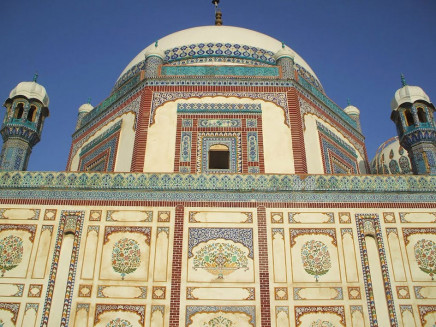
Data Darbar in Lahore. Lal Shahbaz Qalandar in Sehwan. Abdullah Shah Ghazi in Karachi. All these places have been known to draw large crowds. However, in current times, they are drawing a different type of crowd.
According to some members of Generation Z, visiting the shrines is “the one place you can go to where nobody is judging you.” Because there is no dress code that is being enforced, there is no defined social hierarchy within the shrine. For example, a rickshaw driver and a university student can comfortably sit on the same mat listening to the same Qawwali music.
This ‘inclusivity’ is something that is missing from the majority of modern Pakistan. Young people, especially women, are now noticing this difference. The shrine does not question your political views. It does not check your religious affiliation. It is simply accepting you for who you are when you enter.
A Soft Resistance Against Extremism
Something quieter moves beneath this comeback, tied to power struggles even if it seems far from them. Love shapes Sufism, along with openness and deep commitment, qualities standing apart from rigid doctrines pushed by hardline factions. Shrines honouring these traditions have been attacked, not just damaged but silenced, since their spirit offers warmth, shared celebration, and room for personal faith. Fear drives those explosions; what they destroy is not stone but belonging.
Should someone in Karachi pick qawwali over angry speeches, culture gains a quiet supporter. A tune shaped by Bulleh Shah’s words, sharp, kind, full of doubt and calm, becomes defiance without noise. News ignores such moments, yet their weight remains unchanged. What slips past headlines often carries the most.
The Revival Pakistan Needed
This Sufi-rock movement is not nostalgia. It is a necessity. For this generation, there was an absence of a connection to spirituality, and they have finally discovered a means of connection via sounds created long ago, the wisdom of the ancients delivered in today’s voice. Shrines provide a sense of peace and stillness to those who visit them, which is lacking in digital spaces.
“The question was asked by Bulleh Shah: ‘Who am I?’ This same question is being asked by this generation (Generation Z), and they are on the path of discovering the answer to this question through music.
Sidra you write absolutely fine about this very well done 👍 you cover all the aspects of the topic 👍