





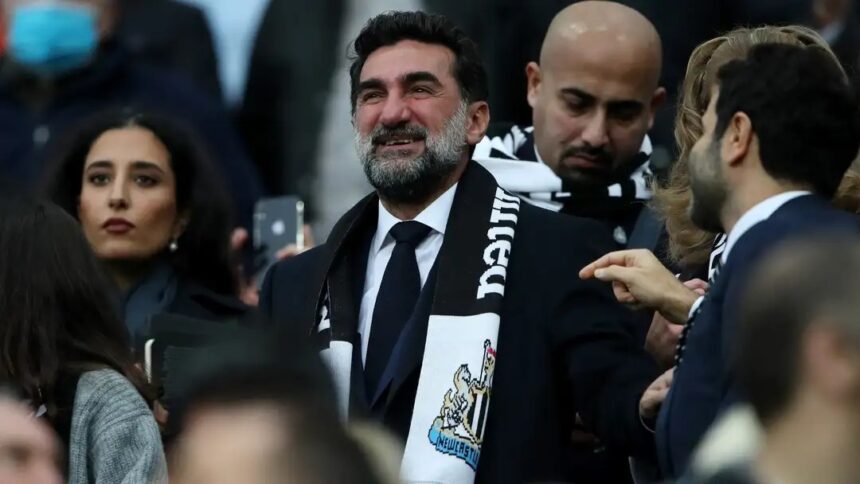
Football has always been more than a sport. It is an emotion, an identity, and a community. Fans spend all their time, money, and loyalty to the club they support. Over the last few years, however, a change has occurred. Winning is no longer the only motivation behind the game. In recent times, billionaires, corporations, and even governments have used the game as a vehicle for establishing identity, image, and community through football.
What Is Sportswashing?
Nowhere has the phrase “sportswashing” popped up more than in worldwide debates. That idea? Using athletic events to polish how someone looks to the public. Facing heat for wrongdoing, governments or big companies might instead pour money into popular games. Attention drifts when stadiums light up, and crowds roar.
Right there on the field, something big happens every weekend. Across countries, people gather around screens when games kick off. Each club carries weight because followers stick close and speak loudly. When things go well, attention spreads fast. Because of how deep the loyalty runs, messages travel further than just sport.
The Gulf States’ Influence in Europe
Over the last ten years, nations such as Saudi Arabia and Qatar poured money into soccer. Buying teams came next, followed by backing entire leagues. Major events found new homes there, too.
Money poured into clubs has shifted everything. Now flush with cash, they pull in elite talent rather than settle. Shiny new arenas rise where old ones once stood. Their name spreads far beyond local borders through smart moves overseas. However, these significant investments have also raised serious concerns. Some people argue that the money spent is not only for the purpose of competing and winning in football but also used for improving the public image and the global influence of the countries and corporations.
The Use of Passion in PR
Football supporters are exceptionally passionate. The way they celebrate and suffer alongside their teams instills a sense of deep emotional connection within them that can be leveraged for good or ill through PR.
When a team is performing at an elite level, many fans begin to associate success with victory. Trophies and star players receive the greatest attention. The source of money used to fund teams becomes a distant memory.
This is why sportswashing is so successful; the positive emotions associated with being an advocate/fan of football can often cloud the judgement of people regarding issues of socio-political importance. Fans tend not to be concerned about the political system or the way in which it was constructed; rather, they focus solely on their teams and how well they perform.
Ethical Dilemmas for Football Fanatics
However, there is an ethical dilemma developing for many fans due to what has occurred and continues to occur on a global scale. If you support your club, do you support the people who own it? Can you enjoy your sport while holding the system that underpins it accountable?
This question has been difficult for many supporters to answer. Some choose to ignore issues altogether and put their focus solely on football. Others have taken to being vocal and demanding that they hold the club accountable to its values and morals.
There is no easy answer. Football is emotional. Football has historical significance and impacts on your sense of identity. It is often not as simple as just saying you will walk away from your club.
Football and Money
Football has also long relied on money to function and survive. Wealthy owners have always existed in football. However, the significant shift that has occurred in football over time is both in the level of investment and in the intentions of the investment.
Today, football belongs to politics and global commerce. Clubs are marketing brands. Players are merely a commodity. Games are created for a worldwide audience. Separating the impact of sport from the influence of politics and business will continue to be increasingly difficult. The distinction between sports passion and sports power will no longer exist.
Can the Game Stay Pure?
It is becoming increasingly difficult to defend the notion of “pure football.” The result is that financial might dictates who is successful. Smaller clubs are not able to compete with larger clubs. Larger clubs have been taken over by powerful investors who dominate the sport.
However, the passion for football still exists among fans; the enjoyment, the rivalries, and the moments of magic still resonate with fans. This creates a contradiction. People love football but also recognise the power that exists behind the scenes of our beloved sport.
Love Tested by Reality
Ultimately, football remains a beautiful game that unites people and produces countless unforgettable moments. However, the reality of today’s world is extremely complex. To love the game in today’s world is to accept the reality of the game. To love the game but to accept and to question the position of your loved one. The goal is not to stop loving the game of football, but to learn to love football with an understanding of what it is.