





The corrupted market fuels the accelerating obsession with perfection, selling hopes, dreams, and insecurities in bottles. Human worth is measured on scales of perfection crafted by society, while perfection is merely a perception.
Targeted insecurities have become essential marketing tools, where each product is manufactured with corrupted scientific facts, packed with manipulated emotions and delivered with unreal expected results.
The most effective means of corruption is not the product but the human delivering it—the messenger—the influencer, who masters the art of empathising with the audience. The insignificant social media trends, the rat race to gain followers and perfection, and all subjects of falsehood dominating and controlling decisions, lifestyle and ideology of individuals. We live in a world where likes, comments, shares and social media followers dictate authority – more followers, more credibility, whereas fewer followers mean dismissed opinions, regardless of the truth.
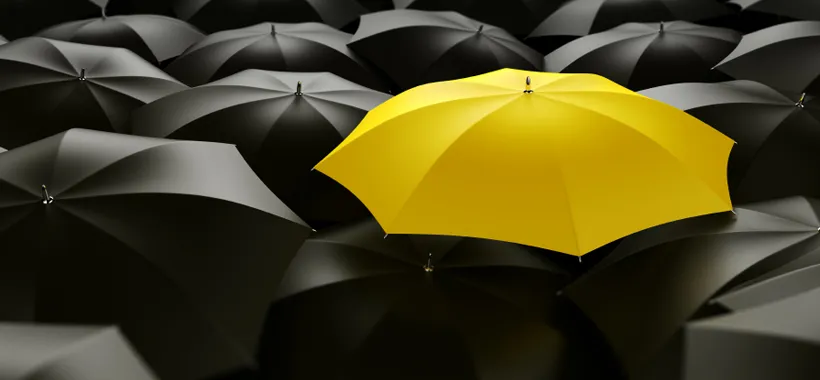
The main culprit is social media, which has pictured normalcy as flawless and has transformed the normalities and transformed imperfections into deviations from the unreal standard of normalcy. Acne, pores, blackheads, damaged hair, thin hair, dull skin, thin lips, and plus sizes are subjected to an illness that needs to be treated. The beauty of imperfections, the originality, and the vibrancy of the human race are slowly vanishing as everyone aims to look the same way and follow the same trends.
The curse of social media treats individuals as outcasts if they did not get the foundation that literally changed their race, the trending hair colour that often damages their hair and leaves them paying a premium to restore it, the designer dress, the created false perception of your lifestyle or the concealer that hid the sleepless nights you spent fighting with the insecurities and social media tools that influencers fuel just to sell their products. The algorithms of Instagram, TikTok, and Facebook favour content that attracts engagement rather than accuracy, expertise, ethics, or facts.
From the manufacturer to the platform, to the advertisers and influencers, sellers all share the gain, leaving the user, the customer, the customer with nothing but hollow claims and empty promises printed on the back of the product. Insecurities are targeted for marketing. Influencers promote by first empathising, then subjecting what the audience “lacks” in their lifestyle or appearance. They promote facts they themselves haven’t researched.
The misleading claims, such as “Get glowing skin in just 15 days”, contradict directly with scientific logic. In reality skin takes up to 3 months to show signs of healing. The influencers pretend to have used the product consistently for months, yet they rely on filters, perfect lighting, and hair styling to make them appear effective. In reality, many have never used the products at all. The irony—and hypocrisy—is striking: the same influencer will promote multiple brands simultaneously, each claiming to achieve the same results, deliberately misleading their audience. When users suffer negative consequences, we rarely hold these influencers accountable.
We need to analyse the implications these marketing tactics have for an individual’s mental health. Especially teenagers, who are the most vulnerable, become prey to these industries. Each bottle they buy, they fill it with hope, and when claimed and desired results are not achieved, the exhaustion and disappointment lead them into buying another bottle, and the cycle continues.
People fail to realise the harm these products can bring because they cannot understand the composition and concentration of ingredients—their blind trust in influencers can cost them more than the products. The constant comparison, uncontrollable thoughts and self-doubt affect an individual’s well-being more than products.
The issues that need to be highlighted are the compositions of chemicals in products that are commercialised, which are not even verified by pharmaceutical authorities nor approved by regulatory agencies, with their ingredients remaining largely unchecked.
This hypocrisy, the planned propaganda of social media, comes at a cost of happiness and peace.
Psychologists have documented how exposure to idealised social media content increases anxiety, self-doubt, and depression, particularly among young audiences. Even knowledge needs to filter – self-made facts, one in a million miraculous cases cannot overpower scientific concepts and logic. Random individuals cannot state facts on global platforms, knowing how naive the audience can be.
The problem is not aspiration itself but the exploitation of it. When perfection is manufactured, empathy is weaponised, and trust is monetised, the cost is borne not by platforms or influencers, but by individuals navigating their sense of self-worth. Social media can be more than a marketplace of insecurity, and influence can be more than a tool of manipulation. What is required is accountability—of platforms that reward engagement over truth, of influencers who profit from unverified promises, and of systems that allow unchecked products to enter intimate spaces like our bodies and minds. Most importantly, it demands awareness from users: the courage to question, to doubt, and to resist curated ideals.
Originality is beautiful; it should be welcomed and appreciated.